
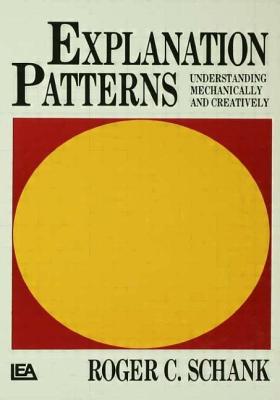
Explanation Patterns : Understanding Mechanically and Creatively
by
R. P. Schank
Book Details
Format
Hardback
ISBN-10
0898597684
ISBN-13
9780898597684
Publisher
Taylor & Francis Inc
Imprint
Lawrence Erlbaum Associates Inc
Country of Manufacture
GB
Country of Publication
GB
Publication Date
Oct 1st, 1986
Print length
264 Pages
Weight
589 grams
KSh 30,950.00
Currently unavailable
0 in stock
Delivery Location
Delivery fee: Select location
Secure
Quality
Fast
First Published in 1986. In the age of the computer, conjecture about things mechanical has naturally led to the question of whether machines can think. As the emphasis on Artificial Intelligence (AI) has grown rapidly, questions about machine intelligence have begun to have a certain urgency. The question we are concerned with in this book is: If we can find a set of processes that machines can slavishly follow, and if by so doing, these machines can come up with creative thoughts, what would that tell us about human beings? If the machine''s procedure was adapted from a human procedure, that is, if all the machine was doing was what we know people are doing, would we abandon our inherent skepticism about the abilities of machines, or would we demystify our inherent admiration for things human? In a sense, these are the issues dealt with in this book. The author says in a sense because this book is no way a philosophical treatise. Rather it is an exercise in Artificial Intelligence and in Cognitive Science, it is an attempt to come to understand one of the most complex problems of mind by examining some of the mechanisms of mind: to define the apparatus that underlies our ability to think.
Get Explanation Patterns by R. P. Schank at the best price and quality guaranteed only at Werezi Africa's largest book ecommerce store. The book was published by Taylor & Francis Inc and it has 264 pages.
Customers Who Bought This Also Bought
How Emotions Are Made
KSh 2,350.00
Gödel, Escher, Bach
KSh 4,200.00
Thinking, Fast and Slow
KSh 3,050.00
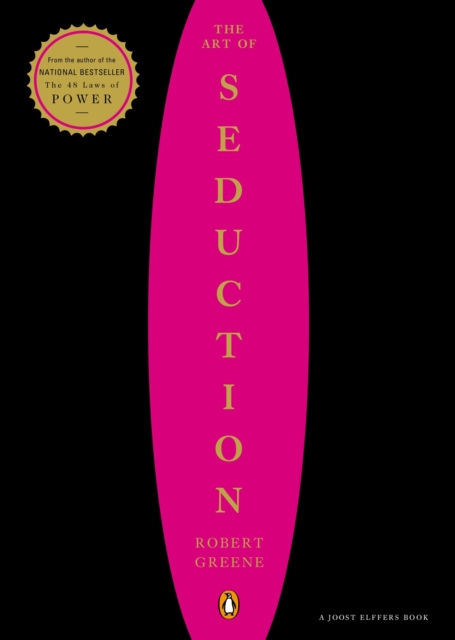
The Art of Seduction
KSh 5,050.00
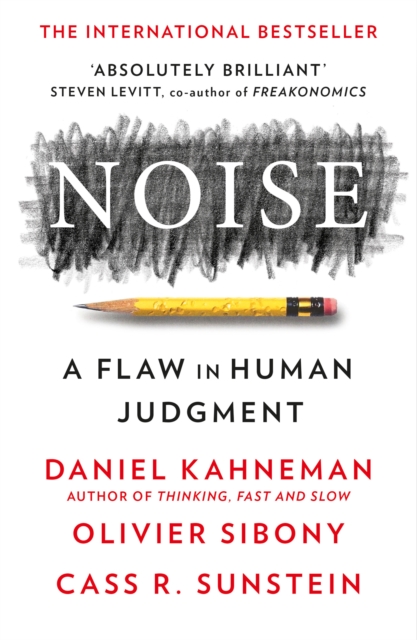
Noise
KSh 2,000.00
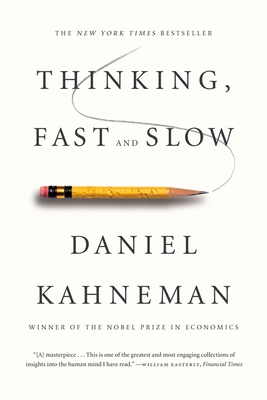
Thinking, Fast and Slow
KSh 2,700.00
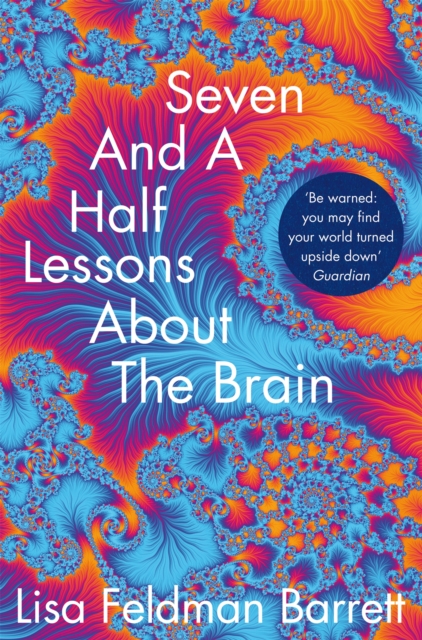
Seven and a Half Lessons About the Brain
KSh 2,000.00
Influence: Science and Practice
KSh 12,850.00

Do the Work
KSh 1,450.00

Thinking in Bets
KSh 5,050.00
Art Of Listening
KSh 3,050.00
Mind''s Eye
KSh 2,000.00
