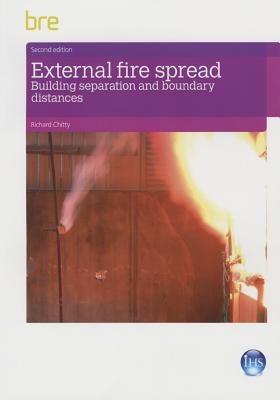
External Fire Spread : Building Separation and Boundary Distances
Book Details
Format
Paperback / softback
ISBN-10
1848063199
ISBN-13
9781848063198
Publisher
IHS BRE Press
Imprint
IHS BRE Press
Country of Manufacture
GB
Country of Publication
GB
Publication Date
Aug 19th, 2014
Print length
76 Pages
Weight
318 grams
Dimensions
21.10 x 19.60 x 0.40 cms
KSh 12,950.00
Re-Printing
0 in stock
Delivery Location
Delivery fee: Select location
Secure
Quality
Fast
This new edition of BR 187 gives methods for calculating adequate space separation between buildings to ensure that fire spread to an adjacent building is sufficiently delayed for the Fire Service to arrive on site and take preventative action.
While the risk of fire spread between buildings cannot be eliminated completely, the aim of calculating building separation distances is to ensure that ignition of a building adjacent to a fire is sufficiently delayed to allow the Fire Service to arrive on site and take preventative action. This new edition of BR 187, in support of national building regulations, describes methods for calculating adequate space separation between buildings. Several sections, including flame projection from windows, have been expanded. Specifically, this new edition:· gives more methods of calculation and more illustrative examples· updates the theoretical background, including conversions to SI units· presents detailed analysis to the methods so that users can create their own fire engineering software· uses more recent experimental data to ensure the assumptions used in the methods are valid for modern buildings · rigorously defines thermal radiation and associated terminology· includes background to Methods 1 and 2 in Approved Document B. In addition, the development of boundary distance requirements in the building regulations since World War II is described due to its relevance to redevelopment of sites containing existing buildings.
Get External Fire Spread by Richard Chitty at the best price and quality guaranteed only at Werezi Africa's largest book ecommerce store. The book was published by IHS BRE Press and it has 76 pages.
Customers Who Bought This Also Bought
Architecture – Form, Space, & Order
KSh 8,700.00
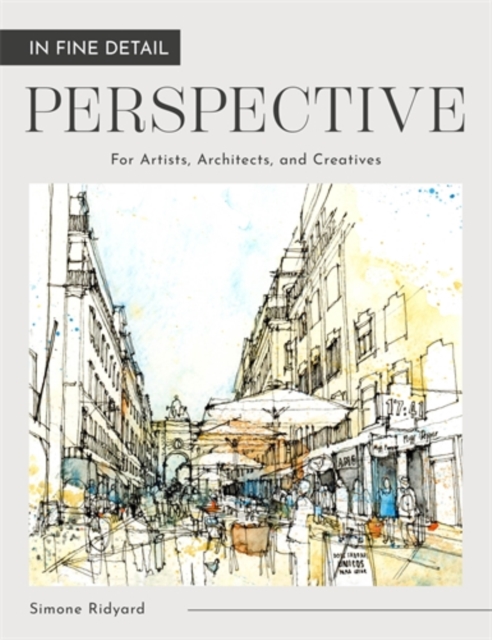
In Fine Detail: Perspective
KSh 3,700.00

Islamic Art and Architecture
KSh 3,600.00

Classical Architecture
KSh 8,700.00
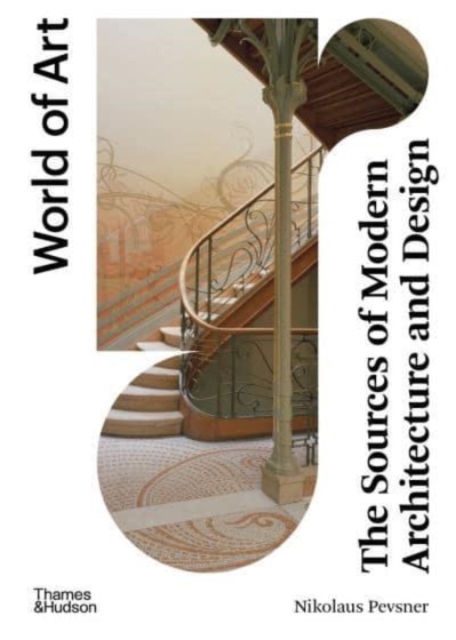
The Sources of Modern Architecture and Design
KSh 3,400.00

An Ornament to the City
KSh 10,450.00

Frank Lloyd Wright Designs
KSh 18,550.00
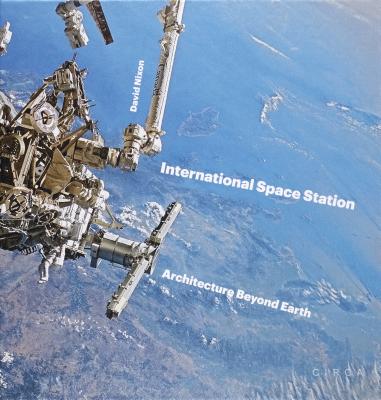
International Space Station
KSh 11,700.00

Colorful Cities
KSh 2,050.00

The Culture Factory
KSh 3,600.00

American Renaissance
KSh 18,700.00

Zürich Primer
KSh 8,900.00