
Cart 0
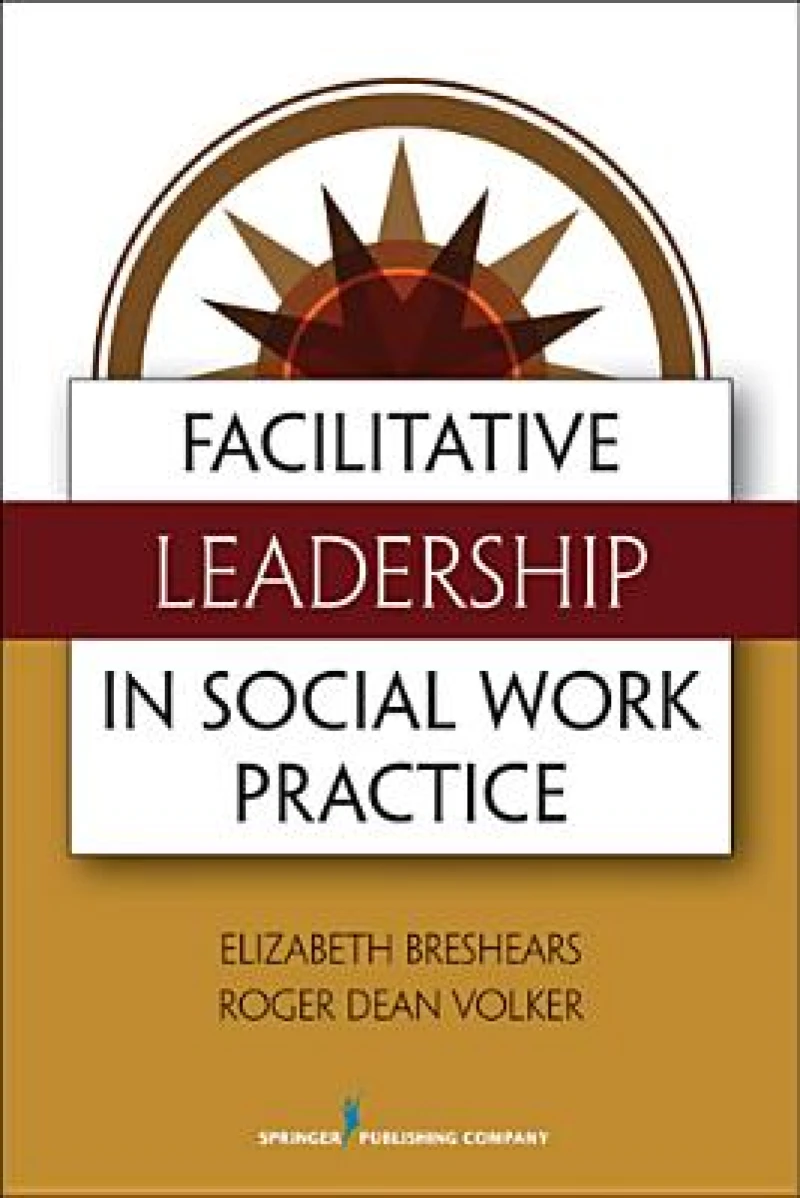
Facilitative Leadership in Social Work Practice
Click to zoom

Share this book

Facilitative Leadership in Social Work Practice

Book Details

Format Paperback / Softback
ISBN-10 0826108539
ISBN-13 9780826108531
Publisher Springer Publishing Co Inc
Imprint Springer Publishing Co Inc
Country of Manufacture US
Country of Publication GB
Publication Date Dec 5th, 2012
Print length 232 Pages
Ksh 12,050.00
Werezi Extended Catalogue 0 in stock

Delivery Location

Delivery fee: Select location

Secure
Quality
Fast
I believe social work students and social workers lucky enough to stumble onto a copy of this book will hang onto it. It is a handy reference to a variety of group activities, but it is so much more than that. Group leaders will find it a self-help guide. Frustrated work teams will find it a diagnostic tool to understand what is going wrong. The chair of every committee can only hope that committee members are familiar with the content. I highly recommend that practitioners and students get a copy of this book and implement it in their practice. We will all be better off for doing so."--The New Social Worker This foundation-level training manual for social work students and practitioners will help readers become more effective agents of change through understanding the meaning, principles, and characteristics of facilitative leadership. Facilitative leadership is a form of leadership in which the leader directs a group but does not dictate the outcome of the group discussion. This form of leadership is essential for, and uniquely suited to, social workers whose entire profession is based on helping clients determine their own goals and how to achieve them. The book describes, step-by-step, the skills needed to successfully perform formal and informal leadership roles in group, agency, and community settings. All aspects of the facilitative process are addressed, including the phases of group development, how to organize a meeting, when and how to intervene, and how to know if facilitative leadership is working. The book explains how facilitative leadership relates to the social work code of ethics, and discusses the ground rules for effective communication. A number of leadership theories that inform facilitative leadership are examined. The text also includes skill building and critical reflection exercises in each section along with case studies to enhance learning. Key Features: Describes the concept, principles, and characteristics of facilitative leadership and how they relate to the social work code of ethics Clarifies the facilitative leader's role and distinguishes it from that of trainer, consultant, or chairperson Identifies the phases of group development and their significance Instills competence and ease in the use of group process techniques Promotes facilitative leadership skills in formal and informal situations

I believe social work students and social workers lucky enough to stumble onto a copy of this book will hang onto it. It is a handy reference to a variety of group activities, but it is so much more than that. Group leaders will find it a self-help guide. Frustrated work teams will find it a diagnostic tool to understand what is going wrong. The chair of every committee can only hope that committee members are familiar with the content. I highly recommend that practitioners and students get a copy of this book and implement it in their practice. We will all be better off for doing so."--The New Social Worker

This foundation-level training manual for social work students and practitioners will help readers become more effective agents of change through understanding the meaning, principles, and characteristics of facilitative leadership. Facilitative leadership is a form of leadership in which the leader directs a group but does not dictate the outcome of the group discussion. This form of leadership is essential for, and uniquely suited to, social workers whose entire profession is based on helping clients determine their own goals and how to achieve them.

The book describes, step-by-step, the skills needed to successfully perform formal and informal leadership roles in group, agency, and community settings. All aspects of the facilitative process are addressed, including the phases of group development, how to organize a meeting, when and how to intervene, and how to know if facilitative leadership is working. The book explains how facilitative leadership relates to the social work code of ethics, and discusses the ground rules for effective communication. A number of leadership theories that inform facilitative leadership are examined. The text also includes skill building and critical reflection exercises in each section along with case studies to enhance learning.

Key Features:

  • Describes the concept, principles, and characteristics of facilitative leadership and how they relate to the social work code of ethics
  • Clarifies the facilitative leader''s role and distinguishes it from that of trainer, consultant, or chairperson
  • Identifies the phases of group development and their significance
  • Instills competence and ease in the use of group process techniques
  • Promotes facilitative leadership skills in formal and informal situations

Get Facilitative Leadership in Social Work Practice by at the best price and quality guaranteed only at Werezi Africa's largest book ecommerce store. The book was published by Springer Publishing Co Inc and it has pages.


Mind, Body, & Spirit

Shopping Cart

Africa largest book store

Sub Total:
Ebooks

Digital Library
Coming Soon

Our digital collection is currently being curated to ensure the best possible reading experience on Werezi. We'll be launching our Ebooks platform shortly.