
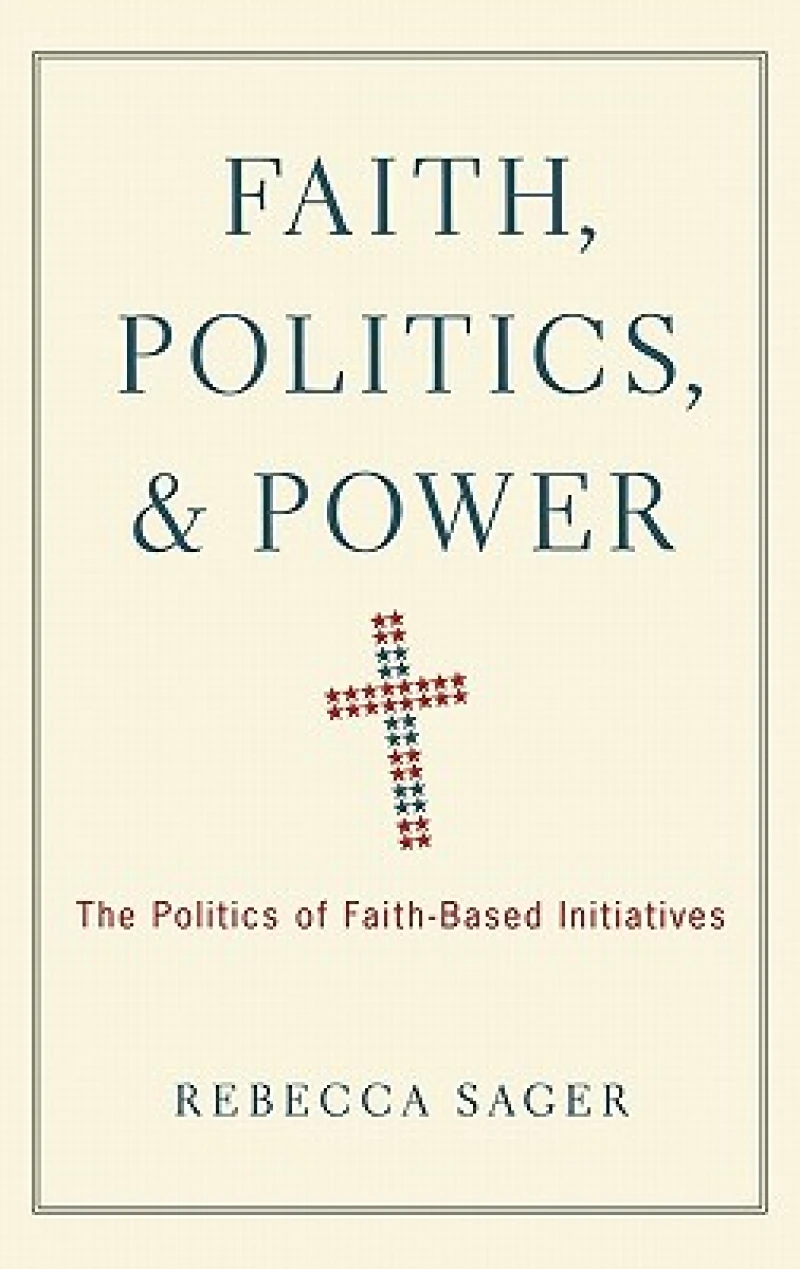
Faith, Politics, and Power : The Politics of Faith-Based Initiatives
Book Details
Format
Hardback or Cased Book
ISBN-10
0195391764
ISBN-13
9780195391763
Publisher
Oxford University Press Inc
Imprint
Oxford University Press Inc
Country of Manufacture
GB
Country of Publication
GB
Publication Date
Feb 18th, 2010
Print length
264 Pages
Weight
508 grams
Dimensions
24.30 x 16.20 x 2.20 cms
Ksh 11,950.00
Manufactured on Demand
0 in stock
Delivery Location
Delivery fee: Select location
Secure
Quality
Fast
There is often more than meets the eye where politics and money are concerned. Faith-Based Initiatives are no exception. Despite the good intentions of some, faith-based policies did not create new significant programs to help those in need. Instead these initiatives were powerful political symbols used to reshape church/state relationships and distribution of political power.
There is often more than meets the eye where politics, religion and money are concerned. This is certainly the case with the Faith-Based Initiative. Section 104, a small provision of the 1996 Welfare Reform bill called "Charitable Choice," was the beginning of what we now know as the Faith-Based Initiative. In its original form, the Initiative was intended to ensure that small religious groups were not discriminated against in the awarding of government funding to provide social services. While this was the beginning of the story for the initiative, it is not the end. Instead Charitable Choice served as the launching pad for growing implementation of Faith-Based Initiatives. These new policies and practices exist despite the fact that all levels of government already contract with religious organizations to provide social services. Nevertheless, government actors have been implementing the Initiative in myriad ways, creating new policies where none appear necessary. Using data from multiple sources this book examines how and why states have been creating these policies and practices. The data reveal three key aspects of faith-based policy implementation by states: appointment of state actors known as Faith-Based Liaisons, passage of legislation, and development of state Faith-Based Policy conferences. These practices created a system in which neither the greatest hopes of its supporters, nor the greatest fears of its opponents have been realized. Supporters had hoped the Faith-Based Initiative would be about solving problems of poverty and an over-burdened welfare system, while opponents feared rampant proselytizing with government funds. Instead, these initiatives by and large did not offer substantial new fiscal support to those in need. In the place of this hope and fear, and despite the good intentions of many, these initiatives became powerful political symbols in the fight to reshape church/state relationships and distribution of political power.
Get Faith, Politics, and Power by at the best price and quality guaranteed only at Werezi Africa's largest book ecommerce store. The book was published by Oxford University Press Inc and it has pages.

