
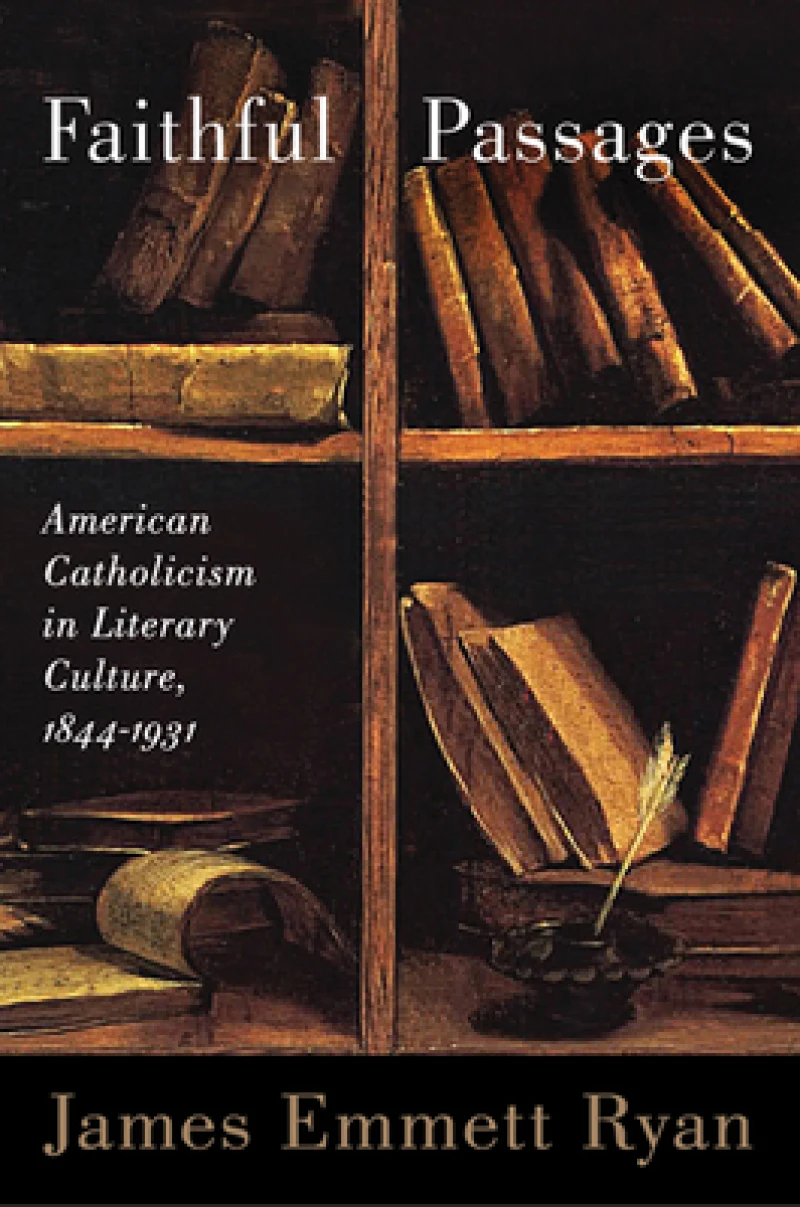
Faithful Passages : American Catholicism in Literary Culture, 1844-1931
Book Details
Format
Paperback / Softback
ISBN-10
0299290646
ISBN-13
9780299290641
Publisher
University of Wisconsin Press
Imprint
University of Wisconsin Press
Country of Manufacture
US
Country of Publication
GB
Publication Date
Feb 28th, 2013
Print length
248 Pages
Weight
456 grams
Dimensions
22.60 x 14.90 x 1.70 cms
Ksh 4,500.00
Temporarily out of stock, due soon
0 in stock
Delivery Location
Delivery fee: Select location
Secure
Quality
Fast
When Americans today think of the Religious Society of Friends, better known as Quakers, they may picture the smiling figure on boxes of oatmeal. But since their arrival in the American colonies in the 1650s, Quakers’ spiritual values and social habits have set them apart from other Americans. And their example—whether real or imagined—has served as a religious conscience for an expanding nation.
Portrayals of Quakers—from dangerous and anarchic figures in seventeenth-century theological debates to moral exemplars in twentieth-century theatre and film (Grace Kelly in High Noon, for example)—reflected attempts by writers, speechmakers, and dramatists to grapple with the troubling social issues of the day. As foils to more widely held religious, political, and moral values, members of the Society of Friends became touchstones in national discussions about pacifism, abolition, gender equality, consumer culture, and modernity.
Spanning four centuries, Imaginary Friends takes readers through the shifting representations of Quaker life in a wide range of literary and visual genres, from theological debates, missionary work records, political theory, and biography to fiction, poetry, theatre, and film. It illustrates the ways that, during the long history of Quakerism in the United States, these “imaginary” Friends have offered a radical model of morality, piety, and anti-modernity against which the evolving culture has measured itself.
Portrayals of Quakers—from dangerous and anarchic figures in seventeenth-century theological debates to moral exemplars in twentieth-century theatre and film (Grace Kelly in High Noon, for example)—reflected attempts by writers, speechmakers, and dramatists to grapple with the troubling social issues of the day. As foils to more widely held religious, political, and moral values, members of the Society of Friends became touchstones in national discussions about pacifism, abolition, gender equality, consumer culture, and modernity.
Spanning four centuries, Imaginary Friends takes readers through the shifting representations of Quaker life in a wide range of literary and visual genres, from theological debates, missionary work records, political theory, and biography to fiction, poetry, theatre, and film. It illustrates the ways that, during the long history of Quakerism in the United States, these “imaginary” Friends have offered a radical model of morality, piety, and anti-modernity against which the evolving culture has measured itself.
Get Faithful Passages by at the best price and quality guaranteed only at Werezi Africa's largest book ecommerce store. The book was published by University of Wisconsin Press and it has pages.

