

Father Nature : The Science of Paternal Potential
Book Details
Format
Hardback
ISBN-10
0262048930
ISBN-13
9780262048934
Publisher
MIT Press Ltd
Imprint
MIT Press
Country of Manufacture
US
Country of Publication
GB
Publication Date
Oct 1st, 2024
Print length
384 Pages
Weight
616 grams
Dimensions
23.60 x 16.40 x 3.60 cms
Product Classification:
Family & healthFamily and health
KSh 5,400.00
Temporarily out of stock, due soon
0 in stock
Delivery Location
Delivery fee: Select location
Secure
Quality
Fast
How and why human males evolved the capacity to be highly involved caregivers and why some are more involved than others.
How and why human males evolved the capacity to be highly involved caregivers—and why some are more involved than others.
We all know the importance of mothers. They are typically as paramount in the wild as they are in human relationships. But what about fathers? In most mammals, including our closest living primate relatives, fathers have little to no involvement in raising their offspring—and sometimes even kill the offspring sired by other fathers. How, then, can we explain modern fathers having the capacity to be highly engaged parents? In Father Nature, James Rilling explores how humans have evolved to endow modern fathers with this potential and considers why this capacity evolved in humans.
Paternal caregiving is advantageous to children and, by extension, to society at large, yet variable both across and within human societies. Rilling considers how to explain this variability and what social and policy changes might be implemented to increase positive paternal involvement. Along the way, Father Nature also covers the impact fathers have on children’s development, the evolution of paternal caregiving, how natural selection adapted male physiology for caregiving, and finally, what lessons an expecting father can take away from the book, as well as what benefits they themselves get from raising children, including increased longevity and “younger” brains.
A beautifully written book by a father himself, Father Nature is a much-needed—and deeply rewarding—look at the science behind “good” paternal behavior in humans.
We all know the importance of mothers. They are typically as paramount in the wild as they are in human relationships. But what about fathers? In most mammals, including our closest living primate relatives, fathers have little to no involvement in raising their offspring—and sometimes even kill the offspring sired by other fathers. How, then, can we explain modern fathers having the capacity to be highly engaged parents? In Father Nature, James Rilling explores how humans have evolved to endow modern fathers with this potential and considers why this capacity evolved in humans.
Paternal caregiving is advantageous to children and, by extension, to society at large, yet variable both across and within human societies. Rilling considers how to explain this variability and what social and policy changes might be implemented to increase positive paternal involvement. Along the way, Father Nature also covers the impact fathers have on children’s development, the evolution of paternal caregiving, how natural selection adapted male physiology for caregiving, and finally, what lessons an expecting father can take away from the book, as well as what benefits they themselves get from raising children, including increased longevity and “younger” brains.
A beautifully written book by a father himself, Father Nature is a much-needed—and deeply rewarding—look at the science behind “good” paternal behavior in humans.
Get Father Nature by James K. Rilling at the best price and quality guaranteed only at Werezi Africa's largest book ecommerce store. The book was published by MIT Press Ltd and it has 384 pages.
Customers Who Bought This Also Bought
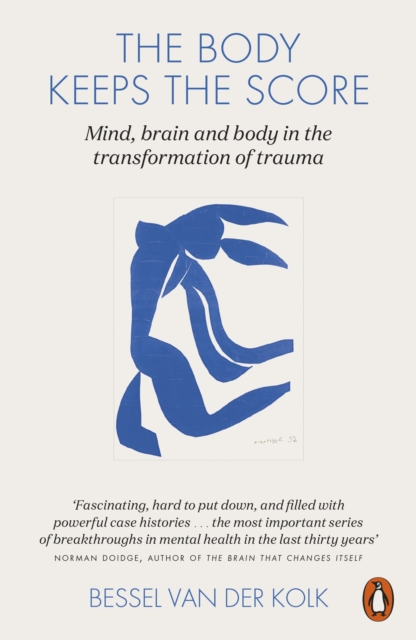
Body Keeps the Score
KSh 2,700.00
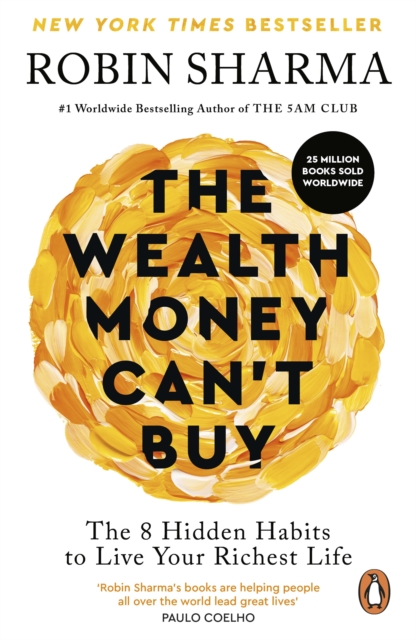
Wealth Money Can''t Buy
KSh 2,000.00
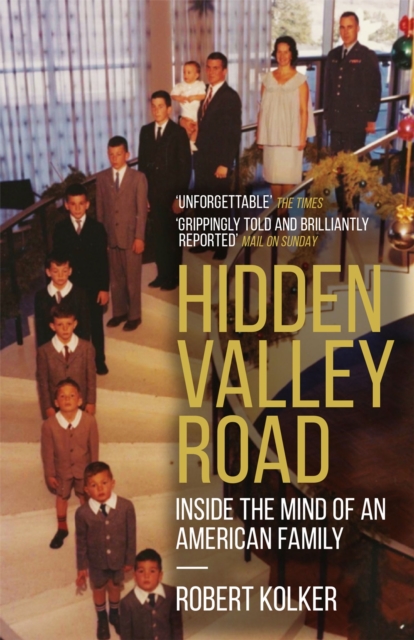
Hidden Valley Road
KSh 2,350.00
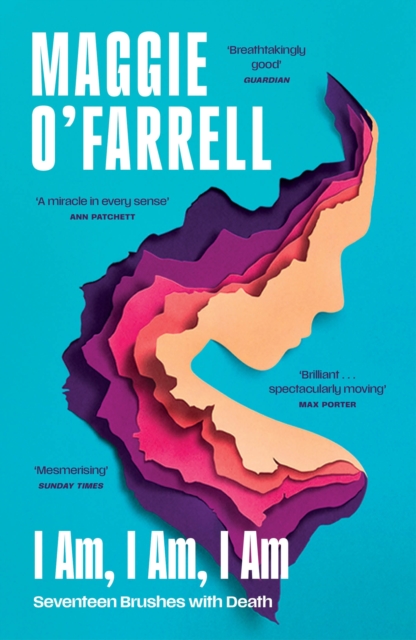
I Am, I Am, I Am: Seventeen Brushes With Death
KSh 2,350.00

The Lazarus Strategy
KSh 2,350.00

Age of Anxiety
KSh 15,100.00

Anti-Eviction
KSh 14,400.00

Jack and Me: One Clueless Dad, One Lost Son
KSh 2,350.00

Everything Elderberry
KSh 4,100.00
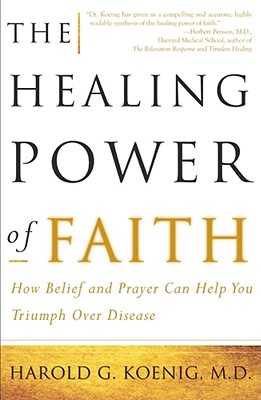
The Healing Power of Faith
KSh 4,150.00
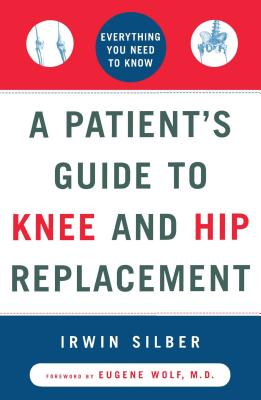
A Patient''s Guide to Knee and Hip Replacement
KSh 3,250.00
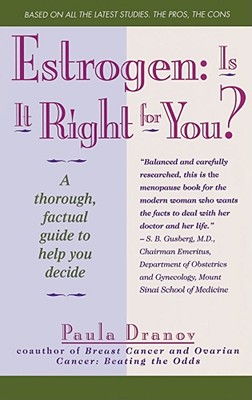
Estrogen: Is It Right For You? Thorough, Factual Guide To Help You Decide
KSh 2,350.00
