
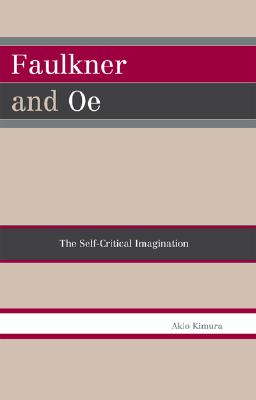
Faulkner and Oe : The Self-Critical Imagination
by
Akio Kimura
Book Details
Format
Paperback / softback
ISBN-10
0761836632
ISBN-13
9780761836636
Publisher
University Press of America
Imprint
University Press of America
Country of Manufacture
GB
Country of Publication
GB
Publication Date
Jan 26th, 2007
Print length
208 Pages
Weight
260 grams
Dimensions
21.80 x 13.90 x 1.90 cms
Product Classification:
Literature: history & criticismLiterature: history and criticism
KSh 8,400.00
Currently unavailable
0 in stock
Delivery Location
Delivery fee: Select location
Secure
Quality
Fast
For Oe Kenzaburo, a Japanese novelist who won the 1994 Noble prize in literature, William Faulkner is not so much a father of Yoknapatawpha as he is a critic of the masculine possessiveness attributed to the creation of the imaginary county. Faulkner and Oe: The Self-Critical Imagination focuses on the Faulknerian influence on Oe''s satirical or self-critical imagination-especially on his feminist or hermaphroditic criticism of the male "I" contained within the shosetsu (novel). Akio Kimura expertly investigates Oe''s feminist turn in his novels in the 1980s as a criticism of this "I" as an authoritarian first-person narrator. Oe considers this concept to be a disruptive reflection of Japanese society''s established order.
Oe''s response to such a disruption is the introduction of a series of metaphors utilized in order to represent Faulkner''s individualism and the subsequent deconstruction of Japanese autocracy. Drawing on Kofman, Irigaray, and Derrida, this book explores how Faulkner''s individualism inspires Oe to juxtapose the Japanese authoritarian and the Faulknerian self-critical. Kimura explains that Oe''s intensive reading of Faulkner''s later novels-The Town, The Mansion, A Fable-has brought him a sense of ambiguity, or his awareness of being split between the Japanese "I" and the Western "I." By comparing these two significant novelists, this study acutely highlights the generic difference between the novel of the West and the Japanese shosetsu.
Oe''s response to such a disruption is the introduction of a series of metaphors utilized in order to represent Faulkner''s individualism and the subsequent deconstruction of Japanese autocracy. Drawing on Kofman, Irigaray, and Derrida, this book explores how Faulkner''s individualism inspires Oe to juxtapose the Japanese authoritarian and the Faulknerian self-critical. Kimura explains that Oe''s intensive reading of Faulkner''s later novels-The Town, The Mansion, A Fable-has brought him a sense of ambiguity, or his awareness of being split between the Japanese "I" and the Western "I." By comparing these two significant novelists, this study acutely highlights the generic difference between the novel of the West and the Japanese shosetsu.
Get Faulkner and Oe by Akio Kimura at the best price and quality guaranteed only at Werezi Africa's largest book ecommerce store. The book was published by University Press of America and it has 208 pages.
Customers Who Bought This Also Bought

On Freedom
KSh 2,350.00

The Origin of Others
KSh 3,600.00
There Are Places in the World Where Rules Are Less Important Than Kindness
KSh 3,600.00

Amazing Peace
KSh 3,050.00
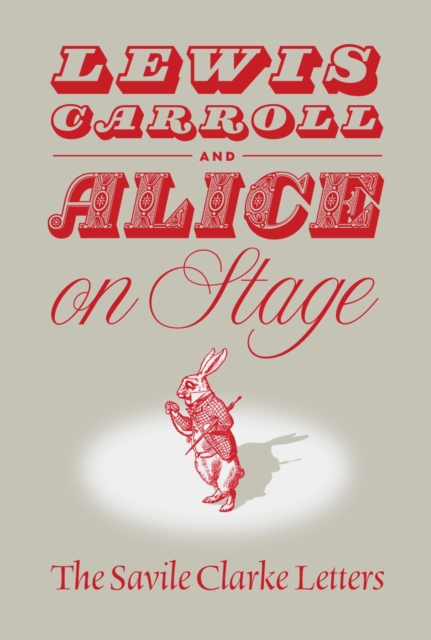
Lewis Carroll and "Alice" on Stage
KSh 9,350.00
There Are Places in the World Where Rules Are Less Important Than Kindness
KSh 2,350.00
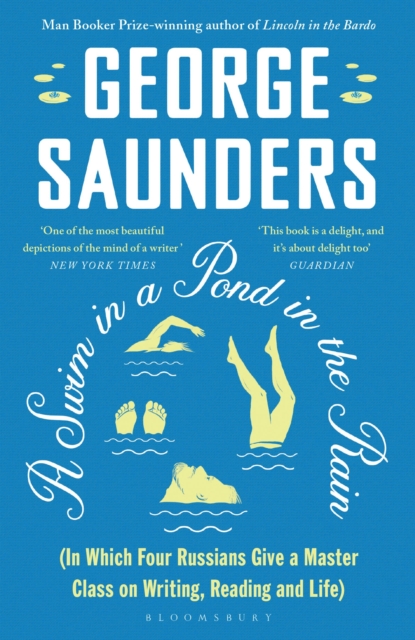
Swim in a Pond in the Rain
KSh 2,000.00

The Obscene Bird of Night – unabridged, centennial edition
KSh 3,050.00
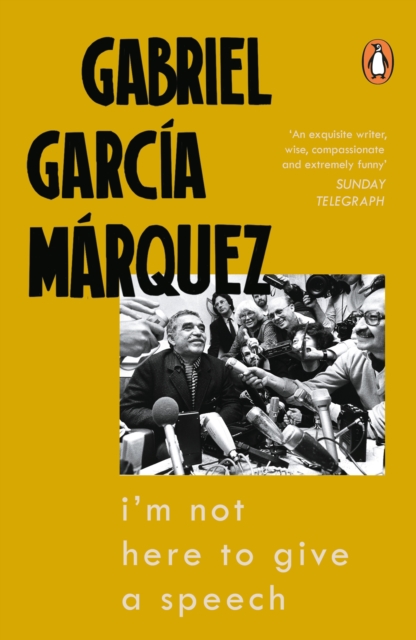
I''m Not Here to Give a Speech
KSh 1,800.00
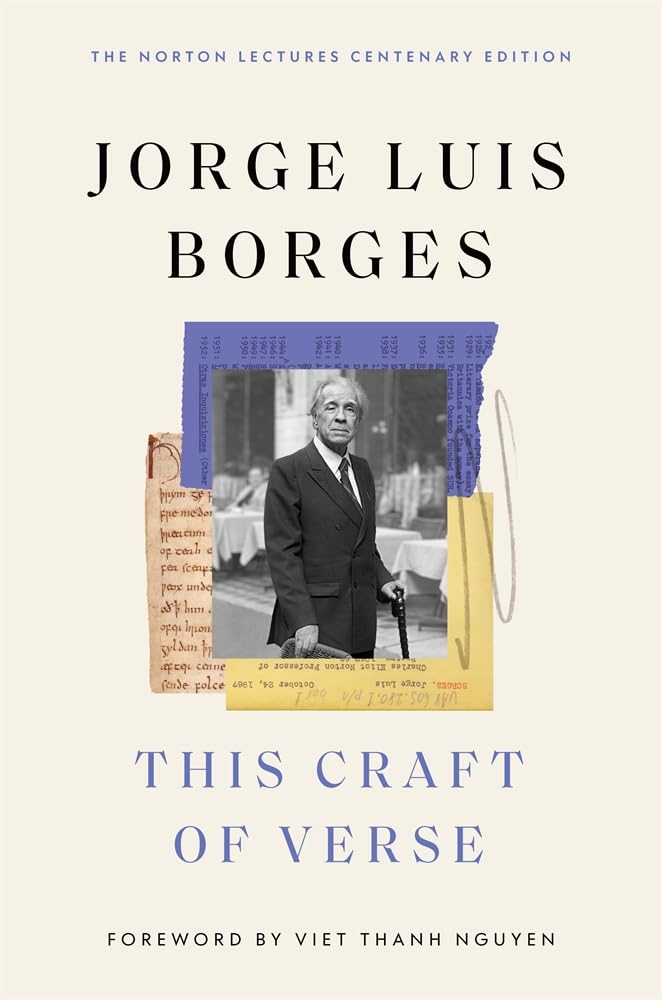
This Craft of Verse
KSh 3,600.00

On Great Writing (On the Sublime)
KSh 2,000.00
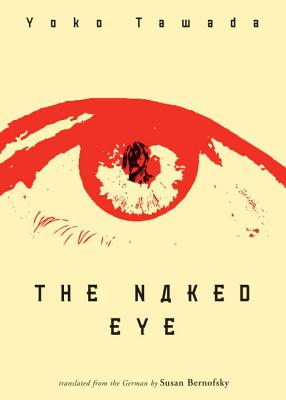
The Naked Eye
KSh 2,350.00
More in This Genre
On Freedom
KSh 2,350.00
The Origin of Others
KSh 3,600.00
There Are Places in the World Where Rules Are Less Important Than Kindness
KSh 3,600.00
Amazing Peace
KSh 3,050.00
Lewis Carroll and "Alice" on Stage
KSh 9,350.00
There Are Places in the World Where Rules Are Less Important Than Kindness
KSh 2,350.00
