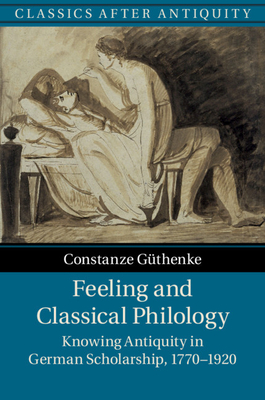
Feeling and Classical Philology : Knowing Antiquity in German Scholarship, 1770–1920
Book Details
Format
Hardback
Book Series
Classics after Antiquity
ISBN-10
1107104238
ISBN-13
9781107104235
Publisher
Cambridge University Press
Imprint
Cambridge University Press
Country of Manufacture
US
Country of Publication
GB
Publication Date
Mar 5th, 2020
Print length
238 Pages
Weight
47 grams
Dimensions
16.00 x 23.50 x 2.40 cms
KSh 17,800.00
Publisher Out of Stock
0 in stock
Delivery Location
Delivery fee: Select location
Secure
Quality
Fast
Nineteenth-century German classical philology underpins many structures of the modern humanities. This book shows how a language of love and a longing for closeness with a personified antiquity has lastingly shaped modern professional reading habits, notions of biography, and the self-image of scholars and teachers.
Nineteenth-century German classical philology underpins many structures of the modern humanities. In this book, Constanze Güthenke shows how a language of love and a longing for closeness with a personified antiquity have lastingly shaped modern professional reading habits, notions of biography, and the self-image of scholars and teachers. She argues that a discourse of love was instrumental in expressing the challenges of specialisation and individual formation (Bildung), and in particular for the key importance of a Platonic scene of learning and instruction for imagining the modern scholar. The book is based on detailed readings of programmatic texts from, among others, Wolf, Schleiermacher, Boeckh, Thiersch, Dilthey, Wilamowitz and Nietzsche. It makes a case for revising established narratives, but also for finding new value in imagining distance and an absence of nostalgic longing for antiquity.
Get Feeling and Classical Philology by Constanze Güthenke at the best price and quality guaranteed only at Werezi Africa's largest book ecommerce store. The book was published by Cambridge University Press and it has 238 pages.
Customers Who Bought This Also Bought

Recognising the Stranger
KSh 1,800.00
The Origin of Language
KSh 4,500.00
Sharing Thoughts
KSh 17,000.00
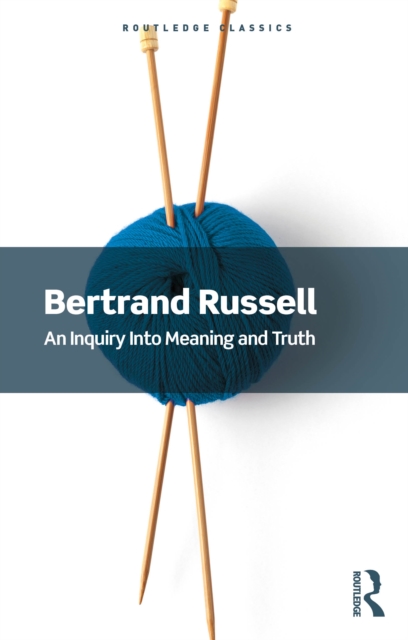
An Inquiry Into Meaning and Truth
KSh 3,750.00
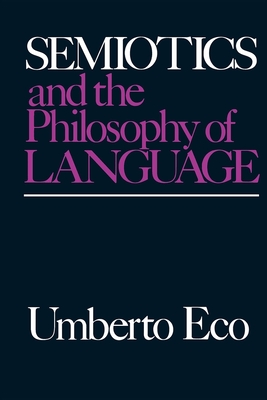
Semiotics and the Philosophy of Language
KSh 3,400.00
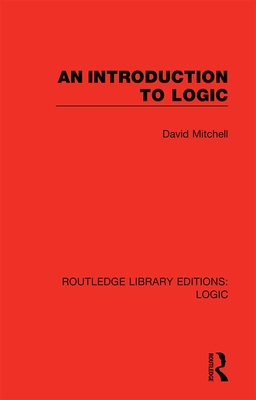
An Introduction to Logic
KSh 6,650.00
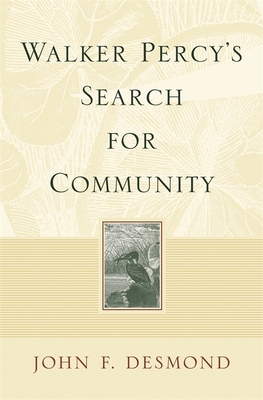
Walker Percy''s Search for Community
KSh 5,950.00
Film Figures
KSh 16,450.00

The Tacit Dimensions of Language and Logic
KSh 15,800.00

Metaphors in Action
KSh 21,600.00
Frontiers in Semiotics
KSh 3,000.00

A Theory of Death
KSh 11,900.00