
Search

Categories

    • categories-img Jacket, Women
    • categories-img Woolend Jacket
    • categories-img Western denim
    • categories-img Mini Dresss
    • categories-img Jacket, Women
    • categories-img Woolend Jacket
    • categories-img Western denim
    • categories-img Mini Dresss
    • categories-img Jacket, Women
    • categories-img Woolend Jacket
    • categories-img Western denim
    • categories-img Mini Dresss
    • categories-img Jacket, Women
    • categories-img Woolend Jacket
    • categories-img Western denim
    • categories-img Mini Dresss
    • categories-img Jacket, Women
    • categories-img Woolend Jacket
    • categories-img Western denim
    • categories-img Mini Dresss

Filter By Price

$
-
$

Dietary Needs

Top Rated Product

product-img product-img

Modern Chair

$165.00
product-img product-img

Plastic Chair

$165.00
product-img product-img

Design Rooms

$165.00

Brands

  • Wooden
  • Chair
  • Modern
  • Fabric
  • Shoulder
  • Winter
  • Accessories
  • Dress

Welcome and thank you for visiting us. For any query call us on 0799 626 359 or Email [email protected]

Offcanvas Menu Open

Shopping Cart

Africa largest book store

Sub Total:

Search for any Title

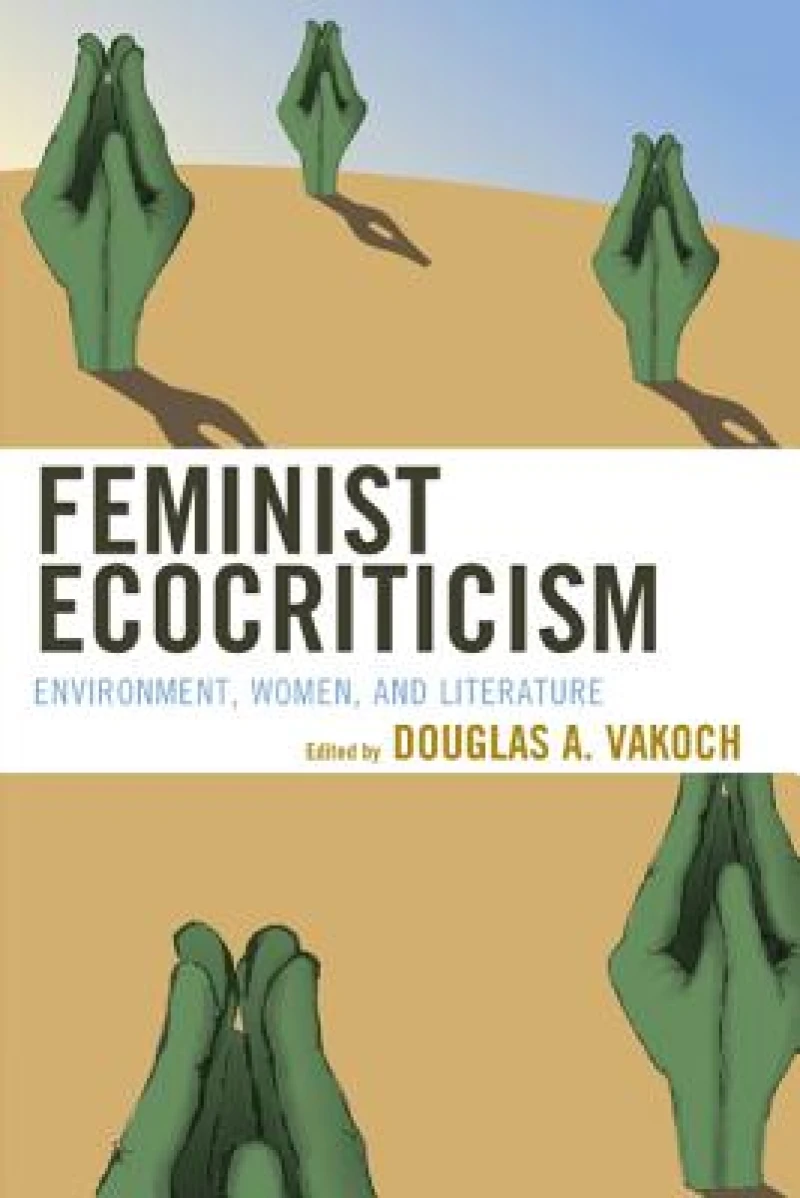
Feminist Ecocriticism : Environment, Women, and Literature

By: (Edited by) Douglas A. Vakoch

Manufactured on Demand
Delivery in 29 days

Ksh 8,800.00

Format: Paperback / Softback

ISBN-10: 0739193007

ISBN-13: 9780739193006

Series: Ecocritical Theory and Practice

Publisher: Bloomsbury Publishing Plc

Imprint: Lexington Books

Country of Manufacture: US

Country of Publication: GB

Publication Date: Apr 23rd, 2014

Print length: 166 Pages

Weight: 276 grams

Dimensions (height x width x thickness): 22.80 x 15.60 x 1.20 cms

Choose your Location

Shipping & Delivery

Door Delivery

Delivery fee

Delivery in 29 days

  • Description

  • Reviews

Feminist Ecocriticism examines the interplay of women and nature as seen through literary theory and criticism, drawing on insights from such diverse fields as chaos theory and psychoanalysis, while examining genres ranging from nineteenth-century sentimental literature to contemporary science fiction. The book explores the central claim of ecofeminism—that there is a connection between environmental degradation and the subordination of women—with the goal of identifying and fostering liberatory alternatives. Feminist Ecocriticism analyzes the work of such diverse women writers as Rachel Carson, Barbara Kingsolver, Ursula K. Le Guin, and Mary Shelley. By including chapters from a comparable number of women and men, this book dispels the notion that ecofeminism is relevant to and used by only female scholars.After uncovering the oppressive dichotomies of male/female and nature/culture that underlie contemporary environmental problems, Feminist Ecocriticism focuses specifically on emancipatory strategies employed by ecofeminist literary critics as antidotes, asking what our lives might be like as those strategies become increasingly successful in overcoming oppression. Thus, ecofeminism is not limited to the critique of literature, but also helps identify and articulate liberatory ideals that can be actualized in the real world, in the process transforming everyday life. Providing an alternative to rugged individualism, for example, ecofeminist literature promotes a more fulfilling sense of interrelationship with both community and the land. In the process of exploring literature from ecofeminist perspectives, the book reveals strategies of emancipation that have already begun to give rise to more hopeful ecological narratives. Feminist Ecocriticism provides a novel integration of two important strands of contemporary literary criticism that have often failed to make contact: feminist criticism and ecocriticism. The openness of both feminist criticism and ecocriticism to multiple, even incompatible perspectives, without the insistence on unitary definitions of their fields, has given rise to a new hybrid discipline: feminist ecocriticism.
Feminist Ecocriticism examines the interplay of women and nature as seen through literary theory and criticism, drawing on insights from such diverse fields as chaos theory and psychoanalysis, while examining genres ranging from nineteenth-century sentimental literature to contemporary science fiction. The book explores the central claim of ecofeminism—that there is a connection between environmental degradation and the subordination of women—with the goal of identifying and fostering liberatory alternatives. Feminist Ecocriticism analyzes the work of such diverse women writers as Rachel Carson, Barbara Kingsolver, Ursula K. Le Guin, and Mary Shelley. By including chapters from a comparable number of women and men, this book dispels the notion that ecofeminism is relevant to and used by only female scholars. After uncovering the oppressive dichotomies of male/female and nature/culture that underlie contemporary environmental problems, Feminist Ecocriticism focuses specifically on emancipatory strategies employed by ecofeminist literary critics as antidotes, asking what our lives might be like as those strategies become increasingly successful in overcoming oppression. Thus, ecofeminism is not limited to the critique of literature, but also helps identify and articulate liberatory ideals that can be actualized in the real world, in the process transforming everyday life. Providing an alternative to rugged individualism, for example, ecofeminist literature promotes a more fulfilling sense of interrelationship with both community and the land. In the process of exploring literature from ecofeminist perspectives, the book reveals strategies of emancipation that have already begun to give rise to more hopeful ecological narratives. Feminist Ecocriticism provides a novel integration of two important strands of contemporary literary criticism that have often failed to make contact: feminist criticism and ecocriticism. The openness of both feminist criticism and ecocriticism to multiple, even incompatible perspectives, without the insistence on unitary definitions of their fields, has given rise to a new hybrid discipline: feminist ecocriticism.

Get Feminist Ecocriticism by at the best price and quality guranteed only at Werezi Africa largest book ecommerce store. The book was published by Bloomsbury Publishing Plc and it has pages. Enjoy Shopping Best Offers & Deals on books Online from Werezi - Receive at your doorstep - Fast Delivery - Secure mode of Payment

Customer Reviews

Based on 0 reviews

Mind, Body, & Spirit
