
Cart 0
Feminist Theology and Contemporary Dieting Culture
Click to zoom

Share this book

Feminist Theology and Contemporary Dieting Culture : Sin, Salvation and Women’s Weight Loss Narratives

Book Details

Format Paperback / Softback
ISBN-10 0567659976
ISBN-13 9780567659972
Publisher Bloomsbury Publishing PLC
Imprint T.& T.Clark Ltd
Country of Manufacture GB
Country of Publication GB
Publication Date Aug 8th, 2019
Print length 360 Pages
Weight 462 grams
Dimensions 13.90 x 21.50 x 2.00 cms
Ksh 6,300.00
Werezi Extended Catalogue Delivery in 28 days

Delivery Location

Delivery fee: Select location

Delivery in 28 days

Secure
Quality
Fast
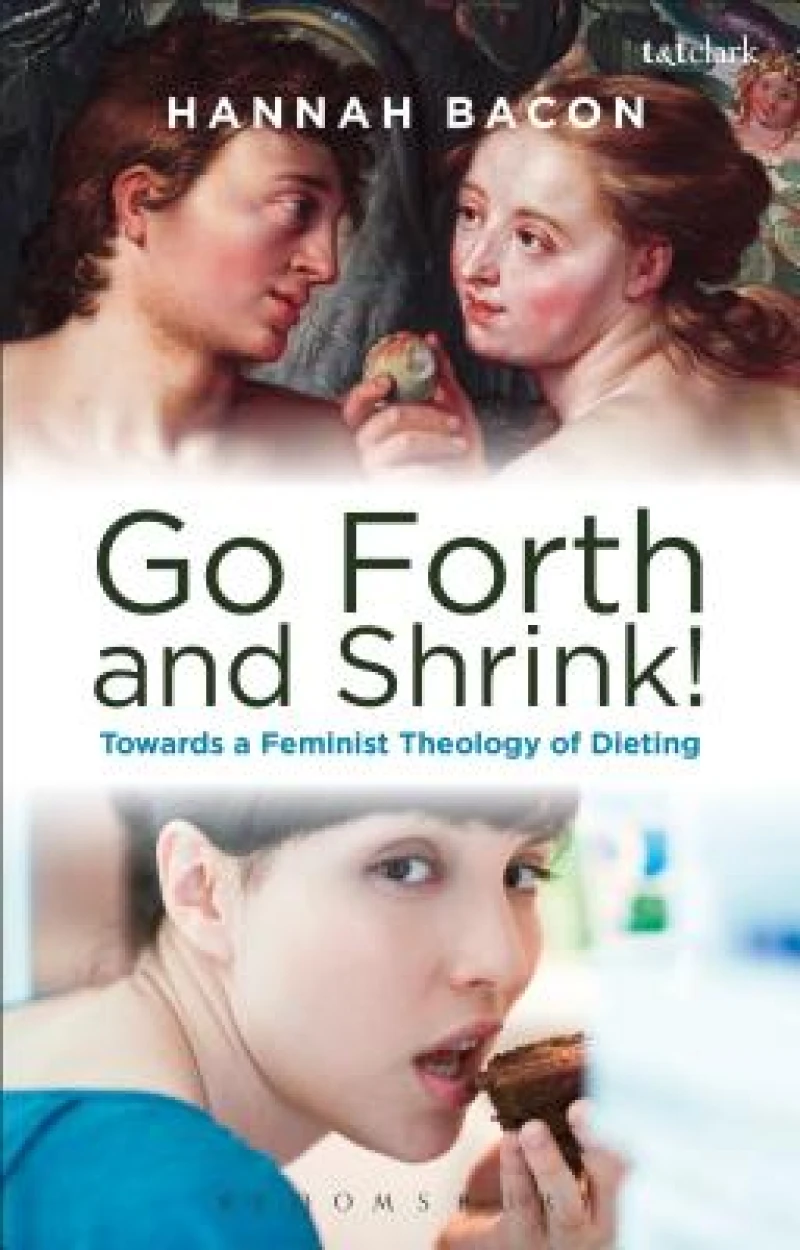
Hannah Bacon draws on qualitative research conducted inside one UK secular commercial weight loss group to show how Christian religious forms and theological discourses inform contemporary weight-loss narratives. Bacon argues that notions of sin and salvation resurface in secular guise in ways that repeat well-established theological meanings. The slimming organization recycles the Christian terminology of sin – spelt ‘Syn’ – and encourages members to frame weight loss in salvific terms. These theological tropes lurk in the background helping to align food once more with guilt and moral weakness, but they also mirror to an extent the way body policing techniques in Christianity have historically helped to cultivate self-care. The self-breaking and self-making aspects of women’s Syn-watching practices in the group continue certain features of historical Christianity, serving in similar ways to conform women's bodies to patriarchal norms while providing opportunities for women's self-development. Taking into account these tensions, Bacon asks what a specifically feminist theological response to weight loss might look like. If ideas about sin and salvation service hegemonic discourses about fat while also empowering women to shape their own lives, how might they be rethought to challenge fat phobia and the frenetic pursuit of thinness? As well as naming as 'sin' principles and practices which diminish women's appetites and bodies, this book forwards a number of proposals about how salvation might be performed in our everyday eating habits and through the cultivation of fat pride. It takes seriously the conviction of many women in the group that food and the body can be important sites of power, wisdom and transformation, but channels this insight into the construction of theologies that resist rather than reproduce thin privilege and size-ist norms.

Hannah Bacon draws on qualitative research conducted inside one UK secular commercial weight loss group to show how Christian religious forms and theological discourses inform contemporary weight-loss narratives. Bacon argues that notions of sin and salvation resurface in secular guise in ways that repeat well-established theological meanings. The slimming organization recycles the Christian terminology of sin – spelt ‘Syn’ – and encourages members to frame weight loss in salvific terms. These theological tropes lurk in the background helping to align food once more with guilt and moral weakness, but they also mirror to an extent the way body policing techniques in Christianity have historically helped to cultivate self-care. The self-breaking and self-making aspects of women’s Syn-watching practices in the group continue certain features of historical Christianity, serving in similar ways to conform women''s bodies to patriarchal norms while providing opportunities for women''s self-development.

Taking into account these tensions, Bacon asks what a specifically feminist theological response to weight loss might look like. If ideas about sin and salvation service hegemonic discourses about fat while also empowering women to shape their own lives, how might they be rethought to challenge fat phobia and the frenetic pursuit of thinness? As well as naming as ''sin'' principles and practices which diminish women''s appetites and bodies, this book forwards a number of proposals about how salvation might be performed in our everyday eating habits and through the cultivation of fat pride. It takes seriously the conviction of many women in the group that food and the body can be important sites of power, wisdom and transformation, but channels this insight into the construction of theologies that resist rather than reproduce thin privilege and size-ist norms.


Get Feminist Theology and Contemporary Dieting Culture by at the best price and quality guaranteed only at Werezi Africa's largest book ecommerce store. The book was published by Bloomsbury Publishing PLC and it has pages.


Mind, Body, & Spirit

Price

Ksh 6,300.00

Shopping Cart

Africa largest book store

Sub Total:
Ebooks

Digital Library
Coming Soon

Our digital collection is currently being curated to ensure the best possible reading experience on Werezi. We'll be launching our Ebooks platform shortly.