
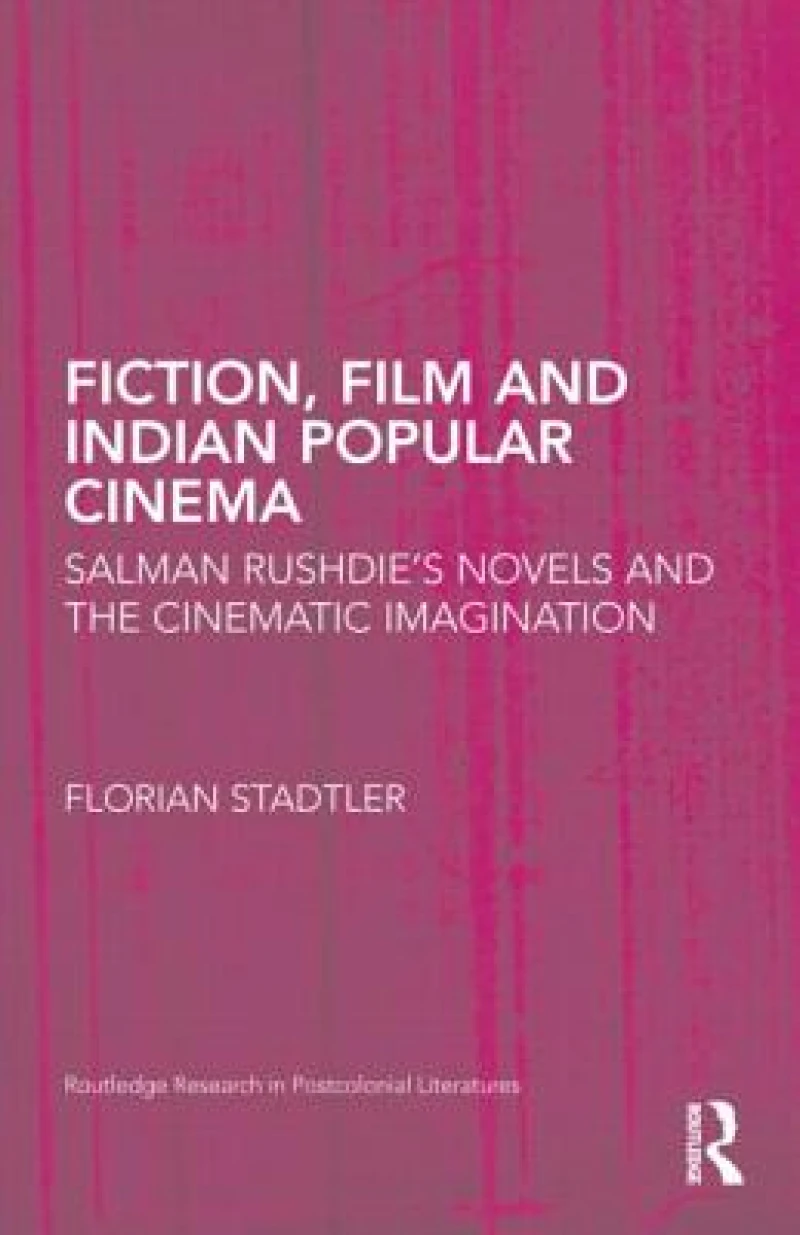
Fiction, Film, and Indian Popular Cinema : Salman Rushdie’s Novels and the Cinematic Imagination
Book Details
Delivery Location
Delivery fee: Select location
This book analyses the novels of Salman Rushdie and their stylistic conventions in the context of Indian popular cinema and its role in the elaboration of the authors arguments about post-independence postcolonial India. Focusing on different genres of Indian popular cinema, such as the Social, Mythological and Historical, Stadtler examines how Rushdies writing foregrounds the epic, the mythic, the tragic and the comic, linking them in storylines narrated in cinematic parameters. The book shows that Indian popular cinemas syncretism becomes an aesthetic marker in Rushdies fiction that allows him to elaborate on the multiplicity of Indian identity, both on the subcontinent and abroad, and illustrates how Rushdie uses Indian popular cinema in his narratives to express an aesthetics of hybridity and a particular conceptualization of culture with which India has become identified in a global context. Also highlighted are Rushdies uses of cinema to inflect his reading of India as a pluralist nation and of the hybrid space occupied by the Indian diaspora across the world. The book connects Rushdies storylines with modes of cinematic representation to explore questions about the role, place and space of the individual in relation to a fast-changing social, economic and political space in India and the wider world.
This book analyses the novels of Salman Rushdie and their stylistic conventions in the context of Indian popular cinema and its role in the elaboration of the authors arguments about post-independence postcolonial India and Pakistan. Focusing on different genres of Indian popular cinema, such as the Social, Mythological, and Historical, Stadtler examines how Rushdies writing foregrounds the epic, the mythic, the tragic, and the comic, linking them in a storyline narrated in cinematic parameters. The book shows that Indian popular cinemas syncretism becomes an aesthetic marker in Rushdies fiction that allows him to elaborate on the multiplicity of Indian identity, both on the subcontinent and abroad, and illustrates how Rushdie uses Indian popular cinema in his narratives to express an aesthetics of hybridity and a particular conceptualization of culture with which India has become identified in a global context. Also highlighted are Rushdies uses of cinema to inflect his reading of India as a pluralist nation and of the hybrid space occupied by the Indian diaspora across the world. The book connects Rushdies storylines with modes of cinematic representation to explore questions about the role, place, and space of the individual in relation to a fast-changing social, economic, and political space in India and the wider world.
Get Fiction, Film, and Indian Popular Cinema by at the best price and quality guaranteed only at Werezi Africa's largest book ecommerce store. The book was published by Taylor & Francis Ltd and it has pages.

