
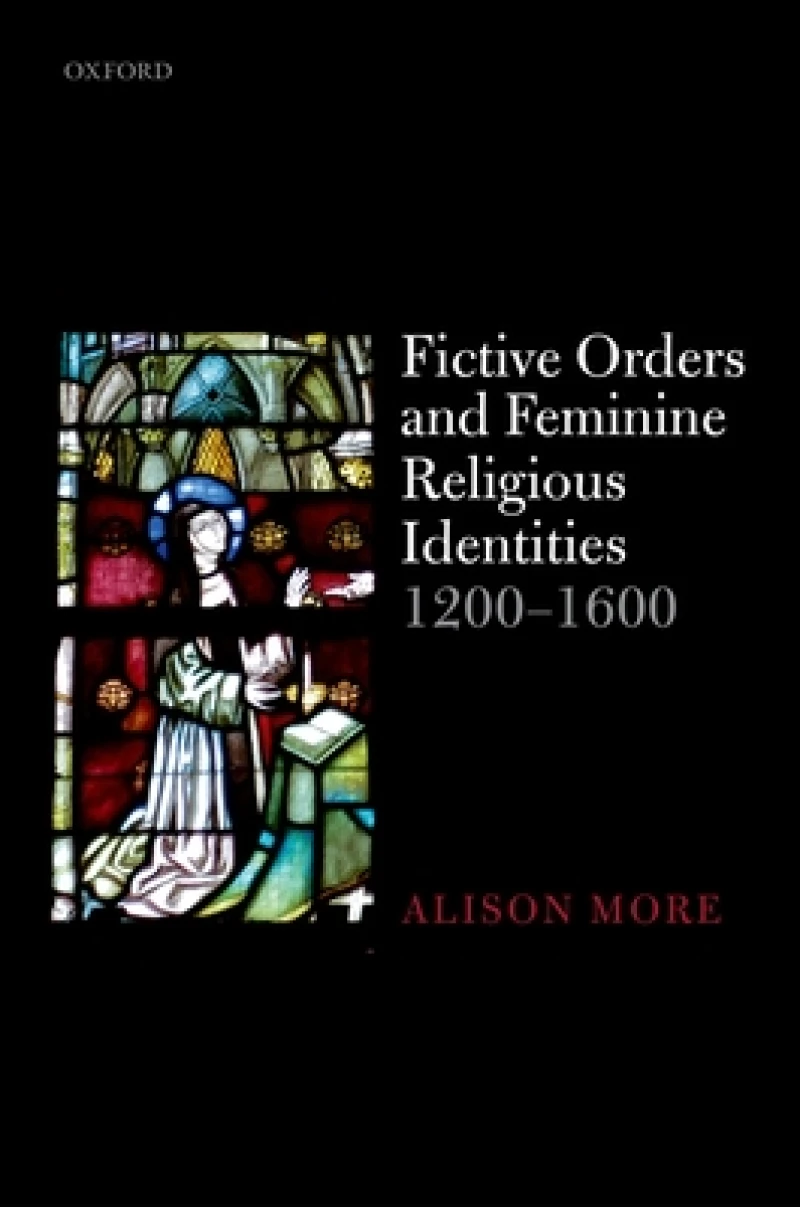
Fictive Orders and Feminine Religious Identities, 1200-1600
by
Alison More
Book Details
Format
Hardback or Cased Book
ISBN-10
0198807694
ISBN-13
9780198807698
Publisher
Oxford University Press
Imprint
Oxford University Press
Country of Manufacture
GB
Country of Publication
GB
Publication Date
Mar 8th, 2018
Print length
216 Pages
Weight
488 grams
Dimensions
24.20 x 16.40 x 2.50 cms
Ksh 17,800.00
Manufactured on Demand
0 in stock
Delivery Location
Delivery fee: Select location
Secure
Quality
Fast
Fictive Orders and Feminine Religious Identities traces the story of pious laywomen in Europe from the thirteenth to sixteenth centuries, examining the ways these women were active and engaged in their social and intellectual worlds, while also tracing the formation of modern perceptions about gender roles and the reasons why they persisted.
Any visitor to Belgium or the Netherlands is immediately struck by the number of convents and beguinages (begijnhoven) in both major cities and small towns. Their number and location in urban centres suggests that the women who inhabited them once held a prominent role. Despite leaving a visible mark on cities in Europe, much of the story of these women - known variously as beguines, tertiaries, klopjes, recluses, and anchoresses - remains to be told. Instead of aspiring to live as traditional religious, they transcended normative assumptions about religion and gender and had a very real impact on their religious and secular worlds. The sources for their tale are often fragmentary and difficult to interpret. However, careful scrutiny allows their voices to be heard. Drawing on an array of sources including religious rules, sermons, hagiographic vitae, and rapiaria, Fictive Orders and Feminine Religious Identities traces the story of pious laywomen between the thirteenth and sixteenth centuries. It both emphasizes the innovative roles of women who transcended established forms of institutional religious life and reveals the ways in which historiographical habits have obscured the dynamic and fluid nature of their histories. By highlighting the development of irregular and extraregular communities and tracing the threads of monasticisation that wove their way around pious laywomen, this book draws attention to the vibrant and dynamic culture of feminine lay piety that persisted from the later middle ages onwards.
Get Fictive Orders and Feminine Religious Identities, 1200-1600 by at the best price and quality guaranteed only at Werezi Africa's largest book ecommerce store. The book was published by Oxford University Press and it has pages.

