

Fiddling Is My Joy : The Fiddle in African American Culture
Book Details
Format
Hardback
Book Series
American Made Music Series
ISBN-10
1496856554
ISBN-13
9781496856555
Publisher
University Press of Mississippi
Imprint
University Press of Mississippi
Country of Manufacture
GB
Country of Publication
GB
Publication Date
Jun 30th, 2025
Print length
277 Pages
KSh 18,700.00
Currently unavailable
0 in stock
Delivery Location
Delivery fee: Select location
Secure
Quality
Fast
Examines the history of fiddling among African Americans from the seventeenth to the mid-twentieth century.
In Fiddling Is My Joy, Jacqueline Cogdell DjeDje examines the history of fiddling among African Americans from the seventeenth to the mid-twentieth century. Although music historians acknowledge a prominent African American fiddle tradition during the era of slavery, only recently have researchers begun to closely examine the history and social implications of these musical practices. Research on African music reveals a highly developed tradition in West Africa, which dates to the eleventh or twelfth century and continues today. From these West African roots, fiddling was prominent in many African American communities between the seventeenth and nineteenth centuries, and the fiddle became an important instrument in early twentieth century blues, jazz, and jug bands. While less common in late twentieth-century African American jazz and popular music groups, the fiddle remained integral to the musicking of some Black musicians in the rural South.
Featured in Fiddling Is My Joy is access to a comprehensive online eScholarship Companion that contains maps, photographs, audiovisual examples, and other materials to expand the work of this enlightening and significant study. To understand the immense history of fiddling, DjeDje uses geography to weave together a common thread by profiling the lives and contributions of Black fiddlers in various parts of the rural South and Midwest, including the mountains and along the Atlantic and Gulf coasts. In addition to exploring the extent that musical characteristics and aesthetics identified with African and European cultures were maintained or reinterpreted in Black fiddling, she also investigates how the sharing of musical ideas between Black and white fiddlers affected the development of both traditions. Most importantly, she considers the contradiction in representation. Historical evidence suggests that the fiddle may be one of the oldest uninterrupted instrumental traditions in African American culture, yet most people in the United States, including African Americans, do not identify it with Black music.
Featured in Fiddling Is My Joy is access to a comprehensive online eScholarship Companion that contains maps, photographs, audiovisual examples, and other materials to expand the work of this enlightening and significant study. To understand the immense history of fiddling, DjeDje uses geography to weave together a common thread by profiling the lives and contributions of Black fiddlers in various parts of the rural South and Midwest, including the mountains and along the Atlantic and Gulf coasts. In addition to exploring the extent that musical characteristics and aesthetics identified with African and European cultures were maintained or reinterpreted in Black fiddling, she also investigates how the sharing of musical ideas between Black and white fiddlers affected the development of both traditions. Most importantly, she considers the contradiction in representation. Historical evidence suggests that the fiddle may be one of the oldest uninterrupted instrumental traditions in African American culture, yet most people in the United States, including African Americans, do not identify it with Black music.
Get Fiddling Is My Joy by Jacqueline Cogdell DjeDje at the best price and quality guaranteed only at Werezi Africa's largest book ecommerce store. The book was published by University Press of Mississippi and it has 277 pages.
Customers Who Bought This Also Bought
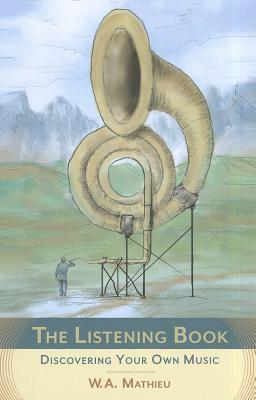
The Listening Book
KSh 3,250.00

Truly
KSh 4,500.00

Drum Kit Exam Pieces from 2024, Grade 4
KSh 2,950.00

Piano Exam Pieces 2025 & 2026, ABRSM Grade 5
KSh 2,700.00

Drum Kit Exam Pieces from 2024, Grade 5
KSh 3,150.00

Drum Kit Exam Pieces from 2024, Initial Grade
KSh 2,500.00

Piano Exam Pieces 2025 & 2026, ABRSM Grade 3
KSh 2,350.00

Piano Exam Pieces 2025 & 2026, ABRSM Grade 1
KSh 1,950.00

The Artist''s Way
KSh 4,500.00

How Music Works
KSh 3,700.00

Piano Exam Pieces 2025 & 2026, ABRSM Grade 2
KSh 2,150.00

The Technique of Orchestration
KSh 14,250.00

