
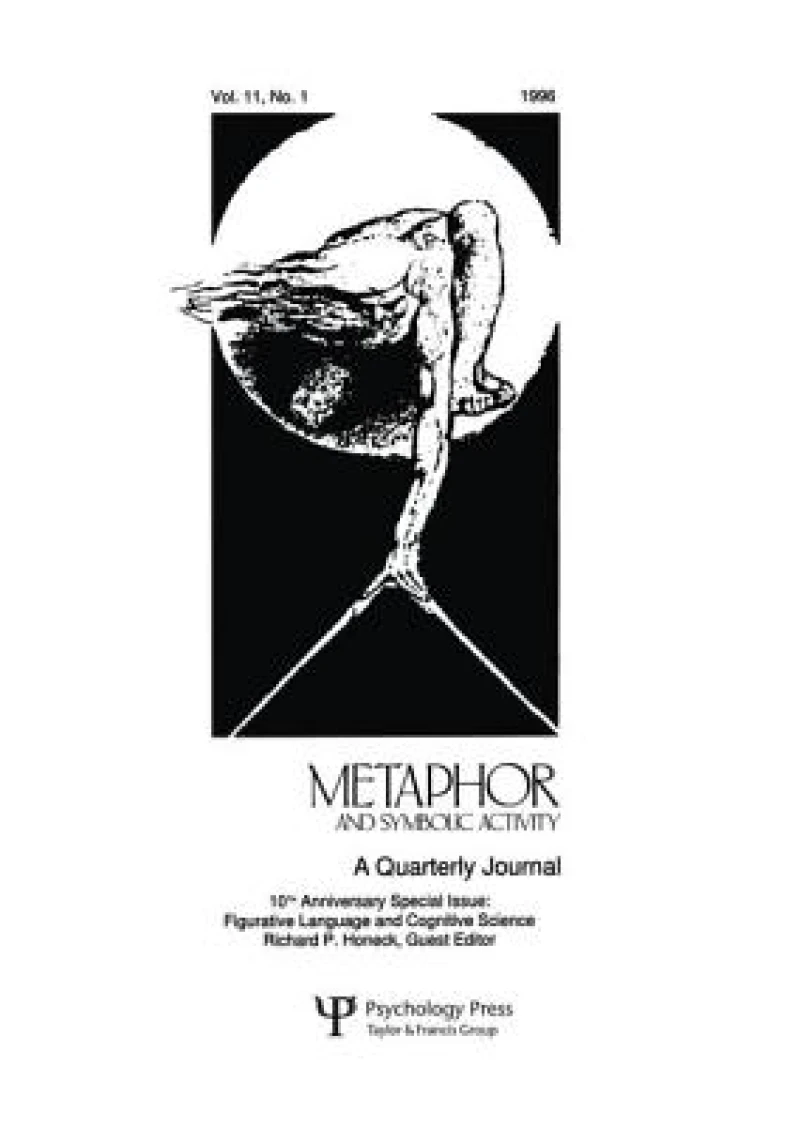
Figurative Language and Cognitive Science : A Special Issue of metaphor and Symbolic Activity
Book Details
Format
Paperback / Softback
ISBN-10
1138876720
ISBN-13
9781138876729
Publisher
Taylor & Francis Ltd
Imprint
Psychology Press Ltd
Country of Manufacture
GB
Country of Publication
GB
Publication Date
Aug 25th, 2015
Print length
102 Pages
Weight
158 grams
Ksh 11,350.00
Werezi Extended Catalogue
0 in stock
Delivery Location
Delivery fee: Select location
Secure
Quality
Fast
The articles in this special issue focus on experimental psychological, neuropsychological, and computer-based approaches to figurative language, suggesting the enormous impact of cognitive science on our understanding of figurative language.
Where, exactly, does figurative language fit in the larger scheme of things? The basic thesis is that much of intelligent behavior partakes of indirectness -- layeredness, levels, embeddedness, and tangled hierarchies. Deficiencies in this respect, brought about by inabilities to build processing structures by using prior or old information, result in a lesser ability to process not only figurative language but all sorts of indirect cognition, including pretense, deception, etc. This special issue attempts to further the goal of "unisolating" figurative language and making it less special, whether by viewing it in the more general light of indirectness or some other rubric.
Where, exactly, does figurative language fit in the larger scheme of things? The basic thesis is that much of intelligent behavior partakes of indirectness -- layeredness, levels, embeddedness, and tangled hierarchies. Deficiencies in this respect, brought about by inabilities to build processing structures by using prior or old information, result in a lesser ability to process not only figurative language but all sorts of indirect cognition, including pretense, deception, etc. This special issue attempts to further the goal of "unisolating" figurative language and making it less special, whether by viewing it in the more general light of indirectness or some other rubric.
Get Figurative Language and Cognitive Science by at the best price and quality guaranteed only at Werezi Africa's largest book ecommerce store. The book was published by Taylor & Francis Ltd and it has pages.

