
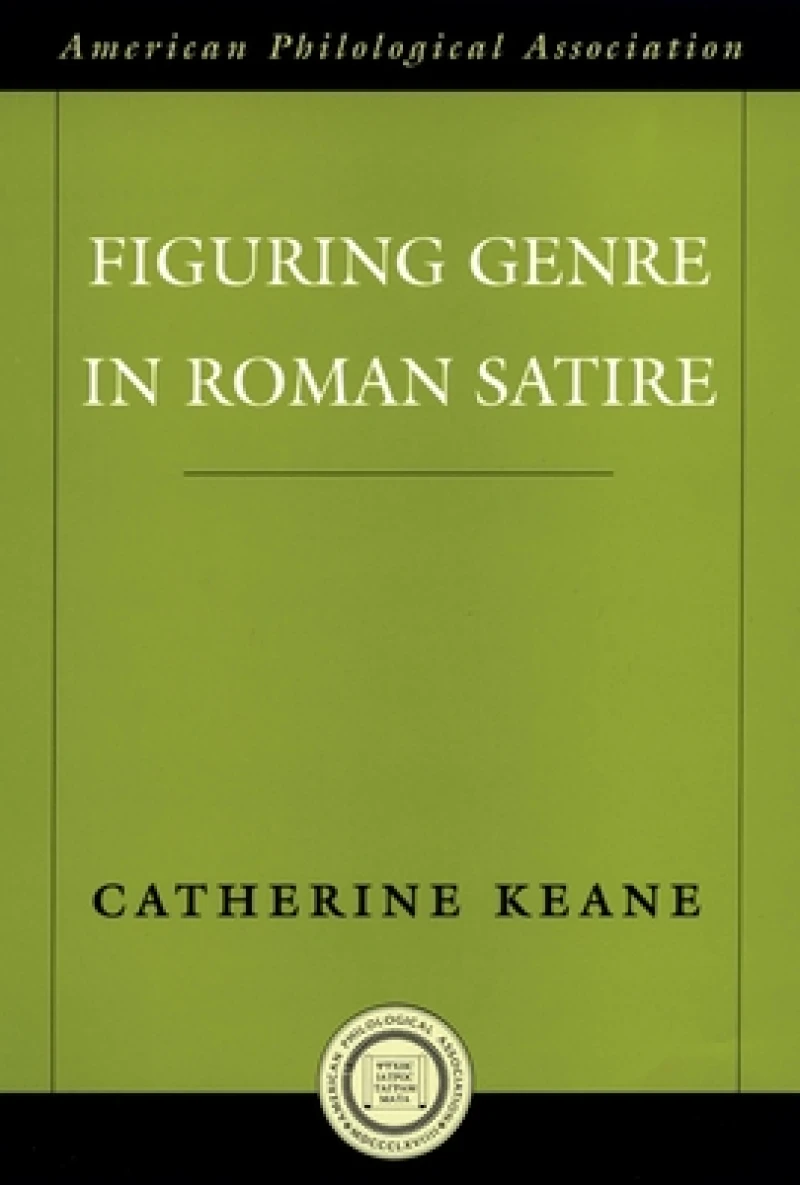
Figuring Genre in Roman Satire
Book Details
Format
Hardback or Cased Book
ISBN-10
0195183304
ISBN-13
9780195183306
Publisher
Oxford University Press Inc
Imprint
Oxford University Press Inc
Country of Manufacture
GB
Country of Publication
GB
Publication Date
Feb 23rd, 2006
Print length
190 Pages
Weight
436 grams
Dimensions
23.90 x 16.00 x 1.70 cms
Product Classification:
Literary studies: classical, early & medievalLiterary studies: plays & playwrights
Ksh 8,650.00
Manufactured on Demand
0 in stock
Delivery Location
Delivery fee: Select location
Secure
Quality
Fast
Horace, Persius, and Juvenal, the verse satirists of ancient Rome, developed a unique mode of social criticism by borrowing from their culture's existing methods of entertainment and moral judgment. Keane's analysis of the satiric genre reveals its debt to four key Roman practices: theater, public violence, legal process, and teaching.
Satirists are social critics, but they are also products of society. Horace, Persius, and Juvenal, the verse satirists of ancient Rome, exploit this double identity to produce their colorful commentaries on social life and behavior. In a fresh comparative study that combines literary and cultural analysis, Catherine Keane reveals how the satirists create such a vivid and incisive portrayal of the Roman social world. Throughout the tradition, the narrating satirist figure does not observe human behavior from a distance, but adopts a range of charged social roles to gain access to his subject matter. In his mission to entertain and moralize, he poses alternately as a theatrical performer and a spectator, a perpetrator and victim of violence, a jurist and criminal, a teacher and student. In these roles the satirist conducts penetrating analyses of Rome''s definitive social practices "from the inside." Satire''s reputation as the quintessential Roman genre is thus even more justified than previously recognized. As literary artists and social commentators, the satirists rival the grandest authors of the classical canon. They teach their ancient and modern readers two important lessons. First, satire reveals the inherent fragilities and complications, as well as acknowledging the benefits, of Roman society''s most treasured institutions. The satiric perspective deepens our understanding of Roman ideologies and their fault lines. As the poets show, no system of judgment, punishment, entertainment, or social organization is without its flaws and failures. At the same time, readers are encouraged to view the satiric genre itself as a composite of these systems, loaded with cultural meaning and highly imperfect. The satirist who functions as both subject and critic trains his readers to develop a critical perspective on every kind of authority, including his own.
Get Figuring Genre in Roman Satire by at the best price and quality guaranteed only at Werezi Africa's largest book ecommerce store. The book was published by Oxford University Press Inc and it has pages.

