
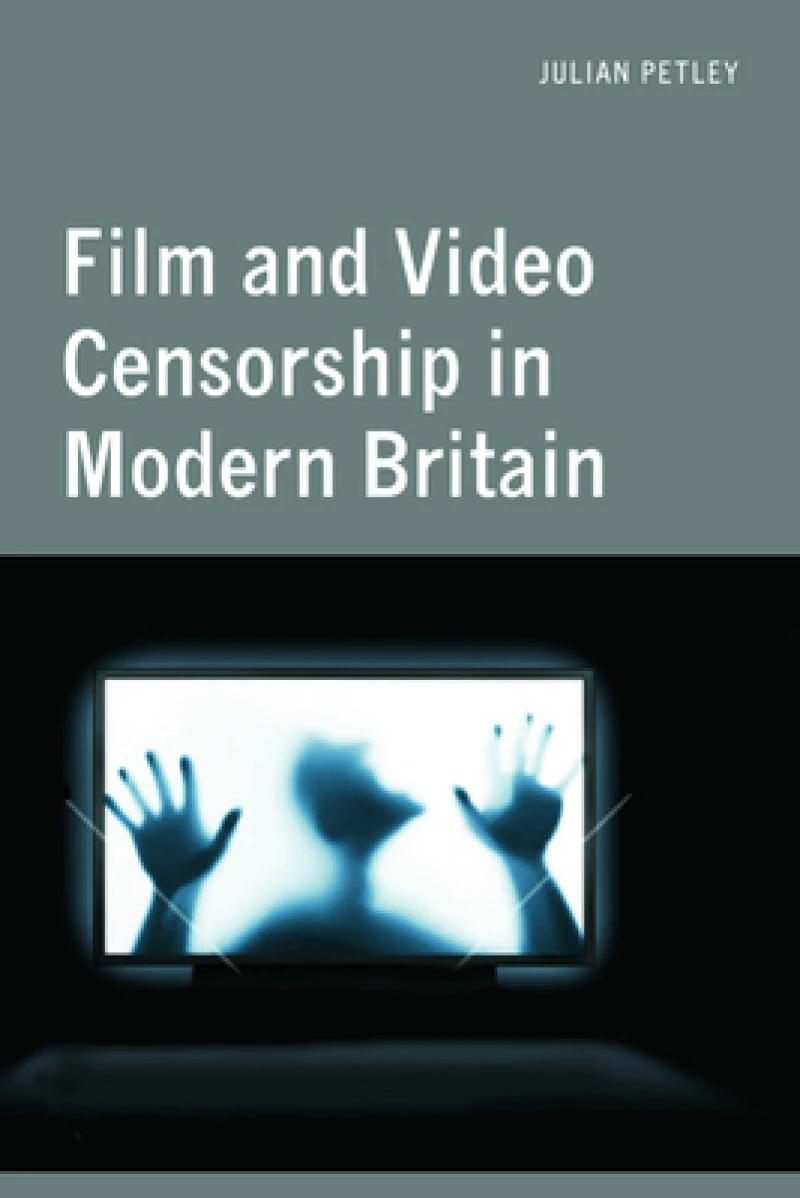
Film and Video Censorship in Modern Britain
Book Details
Format
Paperback / Softback
ISBN-10
0748625399
ISBN-13
9780748625390
Publisher
Edinburgh University Press
Imprint
Edinburgh University Press
Country of Manufacture
GB
Country of Publication
GB
Publication Date
May 17th, 2011
Print length
240 Pages
Weight
364 grams
Dimensions
15.70 x 23.50 x 1.30 cms
Product Classification:
Films, cinemaEthical issues: censorship
Ksh 6,100.00
Manufactured on Demand
0 in stock
Delivery Location
Delivery fee: Select location
Secure
Quality
Fast
Why and how film and video censorship has developed in Britain since the birth of the domestic video industry in 1979.
Starting in 1979, the birth of the domestic video industry û and the first year of the Thatcher government, this critical study explains how the censorship of films both in cinemas and on video and DVD has developed in Britain. As well as presenting a detailed analysis of the workings of the British Board of Film Classification, Petley casts his gaze well beyond the BBFC to analyse the forces which the Board has to take into account when classifying and censoring. These range from laws such as the Video Recordings Act and Obscene Publications Act, and how these are enforced by the police and Crown Prosecution Service and interpreted by the courts, to government policy on matters such as pornography. In discussing a climate heavily coloured by 30 years of lurid ''video nasty'' stories propagated by a press which is at once censorious and sensationalist and which has played a key role in bringing about and legitimising one of the strictest systems of film and video/DVD censorship in Europe, this book is notable for the breadth of its contextual analysis, its critical stance and its suggestions for reform of the present system.
Key features include:
Detailed case studies of individual instances of censorship, including Last House on the Left, sex videos in the R18 category, and press-inspired campaigns against films such as Child''s Play 3 and Crash
Interviews with central figures
The author''s own contemporaneous reports on key moments in the censorship process.
Key features include:
Detailed case studies of individual instances of censorship, including Last House on the Left, sex videos in the R18 category, and press-inspired campaigns against films such as Child''s Play 3 and Crash
Interviews with central figures
The author''s own contemporaneous reports on key moments in the censorship process.
Get Film and Video Censorship in Modern Britain by at the best price and quality guaranteed only at Werezi Africa's largest book ecommerce store. The book was published by Edinburgh University Press and it has pages.

