
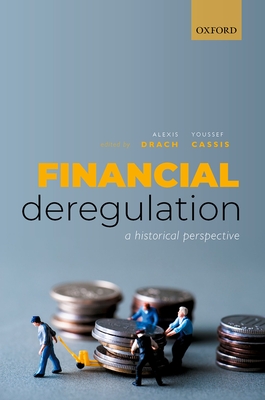
Financial Deregulation : A Historical Perspective
Book Details
Format
Hardback
ISBN-10
0198856954
ISBN-13
9780198856955
Publisher
Oxford University Press
Imprint
Oxford University Press
Country of Manufacture
GB
Country of Publication
GB
Publication Date
May 20th, 2021
Print length
208 Pages
Weight
454 grams
Dimensions
16.50 x 24.30 x 2.30 cms
Product Classification:
MacroeconomicsFinanceFinance and the finance industry
KSh 18,000.00
Currently unavailable
0 in stock
Delivery Location
Delivery fee: Select location
Secure
Quality
Fast
This edited volume is the first archival based historical investigation on the liberalization measures taken in various countries in the financial sector in the decades following the Bretton Woods system, from a comparative and a global perspective.
A wave of liberalization swept the developed world at end of the twentieth century. From the 1970s and 1980s onwards, most developed countries have passed various measures to liberalize and modernize the financial markets. Each country had its agenda, but most of them have experienced, to a different extent, a change in regulatory regime. This change, often labeled deregulation and associated with the advent of neoliberalism, was sharply contrasting with the previous era of the Bretton Woods system, which has sometimes been portrayed as an era of financial repression. On the other hand, a quick glance at financial regulation today - at the amount of paper it produces, at its complexity, at the number of people involved, and at the resources invested in it - is enough to say that, somehow, there is more regulation today than ever before. In the new system, financial regulation has taken unprecedented importance. As more archival material is becoming available, a better understanding of the fundamental changes in the regulatory environment towards the end of the twentieth century is now possible. What kind of change exactly was deregulation? Did competition between financial regulators lead to a race to the bottom in regulation? Is deregulation responsible for the recurring financial crises which seem to have characterised the international financial system since the 1980s? The movement towards a more liberal regulatory regime was neither linear nor simple. This book - a collection of chapters studying deregulation in various countries and contexts - examines the national and international pathways of deregulation by providing an in-depth analysis of a short but crucial period in a few major countries.
Get Financial Deregulation by Alexis Drach at the best price and quality guaranteed only at Werezi Africa's largest book ecommerce store. The book was published by Oxford University Press and it has 208 pages.
Customers Who Bought This Also Bought
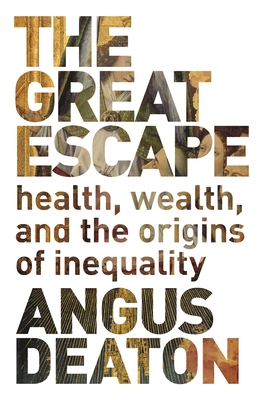
The Great Escape
KSh 2,900.00

Skin in the Game
KSh 2,350.00
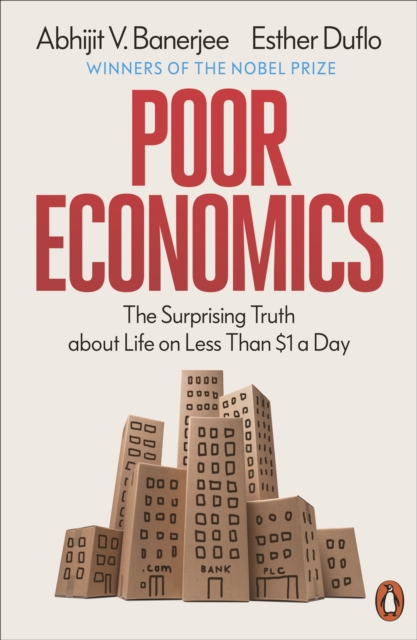
Poor Economics
KSh 2,350.00
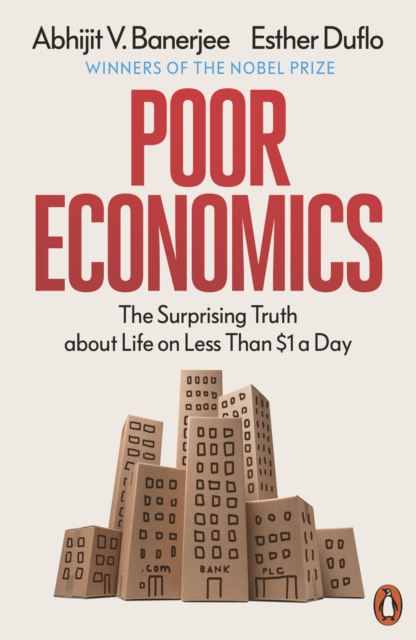
Poor Economics
KSh 2,000.00
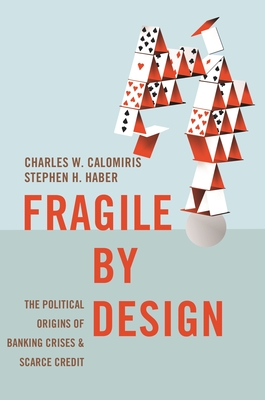
Fragile by Design – The Political Origins of Banking Crises and Scarce Credit
KSh 4,500.00
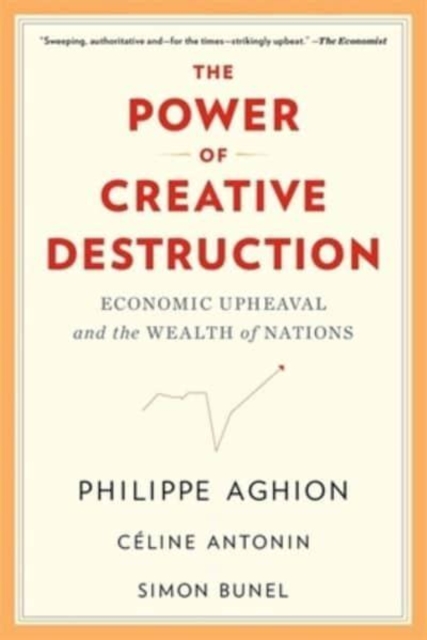
The Power of Creative Destruction – Economic Upheaval and the Wealth of Nations
KSh 3,250.00

Same as Ever
KSh 3,050.00

Macroeconomics, Global Edition
KSh 14,500.00
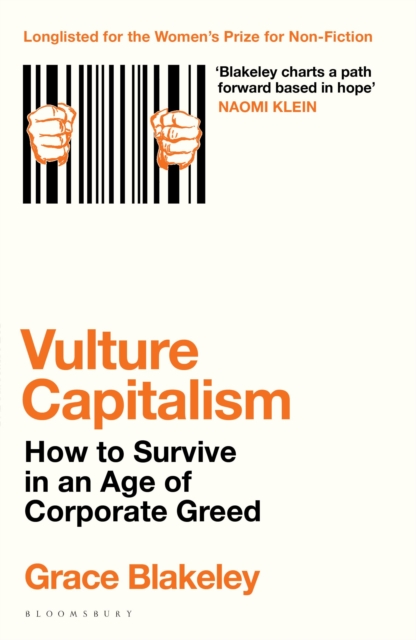
Vulture Capitalism
KSh 2,000.00

Charter Schools and Their Enemies
KSh 4,500.00

Risky Behavior among Youths – An Economic Analysis
KSh 18,000.00

The Great Escape – Health, Wealth, and the Origins of Inequality
KSh 3,300.00
