

Financial Liberalization : Beyond Orthodox Concerns
1st ed. 2005
Book Details
Format
Paperback / softback
Book Series
International Papers in Political Economy
ISBN-10
1349432857
ISBN-13
9781349432851
Edition
1st ed. 2005
Publisher
Palgrave Macmillan
Imprint
Palgrave Macmillan
Country of Manufacture
GB
Country of Publication
GB
Publication Date
Sep 8th, 2005
Print length
172 Pages
KSh 16,200.00
Currently unavailable
0 in stock
Delivery Location
Delivery fee: Select location
Secure
Quality
Fast
The financial liberalization thesis emerged in the 1970s and has been of considerable importance ever since, not merely in terms of its theoretical influence but, perhaps more importantly, in terms of its impact on policy makers and policy debates.
The financial liberalization thesis emerged in the 1970s and has been of considerable importance ever since, not merely in terms of its theoretical influence but, perhaps more importantly, in terms of its impact on policy makers and policy debates. Although it has encountered increasing scepticism over the years, it nevertheless had a relatively early impact on development policy, which still continues unabated, through the work of the IMF and the World Bank. The latter two institutions, perhaps in their traditional role as promoters of what were claimed to be free market conditions, were keen to encourage financial liberalization policies as part of more general reforms or stabilization programmes. This book explores what we have learned from the vast experience of the theoretical and policy aspects of the financial liberalization.
Get Financial Liberalization by M. Sawyer at the best price and quality guaranteed only at Werezi Africa's largest book ecommerce store. The book was published by Palgrave Macmillan and it has 172 pages.
Customers Who Bought This Also Bought

Black Wave
KSh 2,700.00

Siege
KSh 2,000.00

Extractive Capitalism
KSh 2,150.00

Strategy
KSh 4,350.00

Fourth Industrial Revolution
KSh 2,700.00

On China
KSh 3,400.00

Dead Aid
KSh 3,400.00
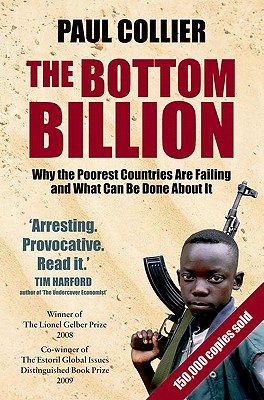
The Bottom Billion
KSh 2,500.00

Leadership
KSh 2,700.00
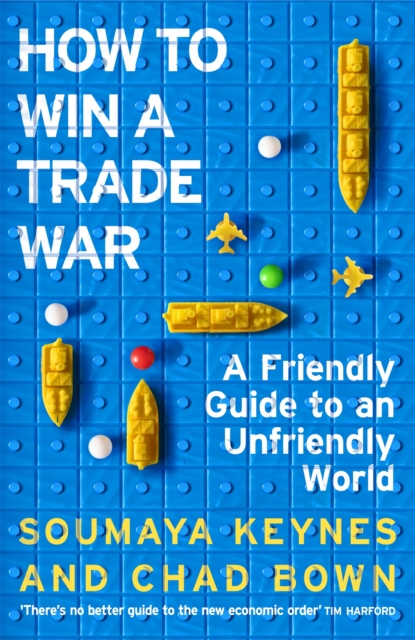
How to Win a Trade War
KSh 3,050.00

Understanding Global Conflict and Cooperation: An Introduction to Theory and History
KSh 14,000.00

Nuclear Age
KSh 5,400.00
