
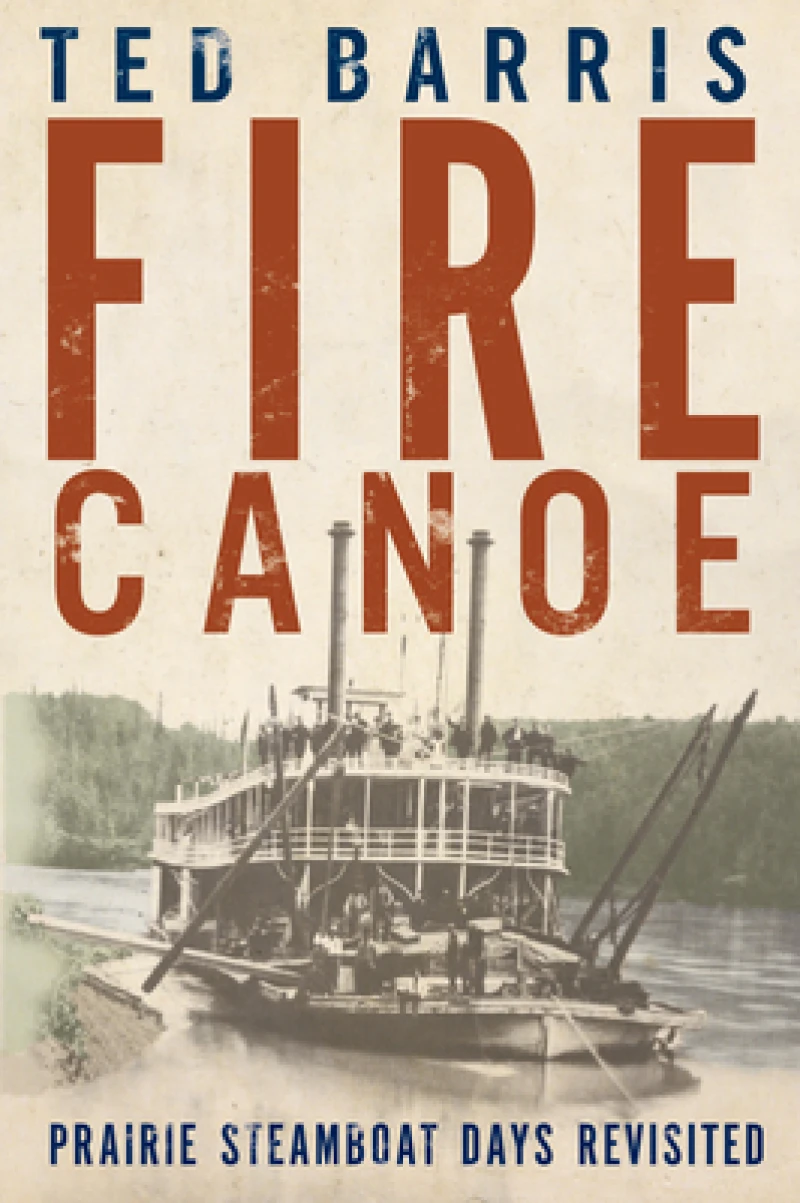
Fire Canoe : Prairie Steamboat Days Revisited
by
Ted Barris
Book Details
Format
Hardback or Cased Book
ISBN-10
1459732081
ISBN-13
9781459732087
Publisher
Dundurn Group Ltd
Imprint
Dundurn Group Ltd
Country of Manufacture
GB
Country of Publication
GB
Publication Date
Dec 3rd, 2015
Print length
368 Pages
Weight
708 grams
Dimensions
22.90 x 15.20 x 2.50 cms
Product Classification:
History of the AmericasHistorical geography
Ksh 4,150.00
Re-Printing
0 in stock
Delivery Location
Delivery fee: Select location
Secure
Quality
Fast
Years before railroads arrived, the Canadian West was opened up by an unlikely breed of ship: steamboats plying Prairie waterways. Their aboriginal pilots, experts at reading the tricky waterways, called the ships "fire canoes." By day they chased freight contracts, but at night they introduced the Edwardian Prairies to pleasure cruises.
The story of steamboating in the Canadian West comes to life in the voices of those aboard the vessels of the waterways of the Prairies.
Their captains were seafaring skippers who had migrated inland. Their pilots were indigenous people who could read the shoals, sandbars, and currents of Prairie waterways. Their operators were businessmen hoping to reap the benefits of commercial enterprise along the shores and banks of Canada’s inland lakes and rivers. Their passengers were fur traders, adventure-seekers, and immigrants opening up the West. All of them sought their futures and fortunes aboard Prairie steamboats, decades before the railways arrived and took credit for the breakthrough.
Aboriginal people called them “fire canoes,” but in the latter half of the nineteenth century, their operators promoted them as Mississippi-type steamship queens delivering speedy transport, along with the latest in technology and comfort. Then, as the twentieth century dawned, steamboats and their operators adapted. They launched smaller, more tailored steamers and focused on a new economy of business and pleasure in the West. By day their steamboats chased freight, fish, lumber, iron ore, real estate, and gold-mining contracts. At night, they brought out the Edwardian finery, lights, and music to tap the pleasure-cruise market.
Their captains were seafaring skippers who had migrated inland. Their pilots were indigenous people who could read the shoals, sandbars, and currents of Prairie waterways. Their operators were businessmen hoping to reap the benefits of commercial enterprise along the shores and banks of Canada’s inland lakes and rivers. Their passengers were fur traders, adventure-seekers, and immigrants opening up the West. All of them sought their futures and fortunes aboard Prairie steamboats, decades before the railways arrived and took credit for the breakthrough.
Aboriginal people called them “fire canoes,” but in the latter half of the nineteenth century, their operators promoted them as Mississippi-type steamship queens delivering speedy transport, along with the latest in technology and comfort. Then, as the twentieth century dawned, steamboats and their operators adapted. They launched smaller, more tailored steamers and focused on a new economy of business and pleasure in the West. By day their steamboats chased freight, fish, lumber, iron ore, real estate, and gold-mining contracts. At night, they brought out the Edwardian finery, lights, and music to tap the pleasure-cruise market.
Get Fire Canoe by at the best price and quality guaranteed only at Werezi Africa's largest book ecommerce store. The book was published by Dundurn Group Ltd and it has pages.

