
Book Details
Format
Paperback / softback
ISBN-10
3034301731
ISBN-13
9783034301732
Edition
New
Publisher
Peter Lang AG, Internationaler Verlag der Wissenschaften
Imprint
Peter Lang AG, Internationaler Verlag der Wissensc
Country of Manufacture
CH
Country of Publication
GB
Publication Date
May 14th, 2010
Print length
196 Pages
Weight
288 grams
Dimensions
14.80 x 22.30 x 1.30 cms
KSh 8,750.00
Currently unavailable
0 in stock
Delivery Location
Delivery fee: Select location
Secure
Quality
Fast
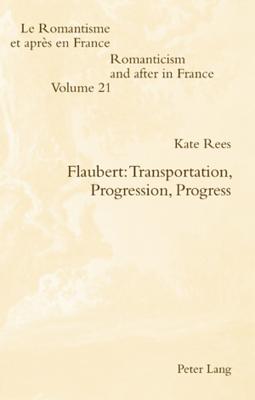
Flaubert: Transportation, Progression, Progress
A belief in progress tells us something about the way a society views itself. Progress speaks of confidence, optimism and dynamism. It assures us of pattern and structure. In the nineteenth century, as the Christian model of development is increasingly challenged and as geological findings expand understanding of history, so progress emerges from the Enlightenment as an ever more acute subject for debate. This book addresses the theme of progress and patterns of progression in the work of Flaubert. Through close textual analysis of his works and particular scrutiny of his narrative structures, this book argues that Flaubert’s position in the mid-nineteenth century situates his work at an intriguing historical crossroads, between Romantic faith in progress and assertions of Decadent decline. Flaubert’s response to progress is rich and complicated, offering stimulating views of momentum and perfectibility.
In this study, actual progression is seen as a metaphor for understanding Flaubert’s attitude to historical progress. Each chapter focuses on a particular vehicle or pattern of movement, analysing journeys undertaken by characters in Flaubert’s texts as models of disrupted, non-linear progression which provide a counter-current to contemporary ideologies of progress. A closing chapter examines connections between Flaubert and Huysmans, investigating the response to progress in later nineteenth-century literature.
In this study, actual progression is seen as a metaphor for understanding Flaubert’s attitude to historical progress. Each chapter focuses on a particular vehicle or pattern of movement, analysing journeys undertaken by characters in Flaubert’s texts as models of disrupted, non-linear progression which provide a counter-current to contemporary ideologies of progress. A closing chapter examines connections between Flaubert and Huysmans, investigating the response to progress in later nineteenth-century literature.
Get Flaubert: Transportation, Progression, Progress by Kate Rees at the best price and quality guaranteed only at Werezi Africa's largest book ecommerce store. The book was published by Peter Lang AG, Internationaler Verlag der Wissenschaften and it has 196 pages.
Customers Who Bought This Also Bought
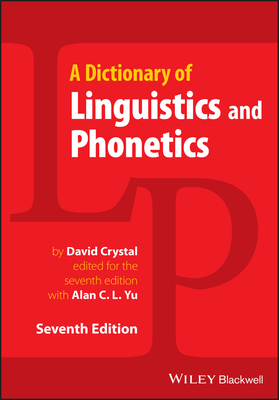
Dictionary of Linguistics and Phonetics, Seventh Edition
KSh 7,200.00

Biblical Names and Their Meanings
KSh 800.00

Thinking Through Translation
KSh 5,050.00

John Stuart Mill and the Writing of Character
KSh 6,400.00

Hunting Lieutenant Chadbourne
KSh 4,800.00

The Language of the American South
KSh 4,000.00

French as Language of Intimacy in the Modern Age
KSh 8,650.00

The Routledge Hispanic Studies Companion to Nineteenth-Century Latin America
KSh 10,250.00

Golosa
KSh 26,100.00

Malayalam
KSh 12,900.00

The Old English Version of the enlarged «Rule of Chrodegang»
KSh 16,550.00

Chinese Children''s Reading Acquisition
KSh 16,200.00
More in This Genre
Dictionary of Linguistics and Phonetics, Seventh Edition
KSh 7,200.00
Biblical Names and Their Meanings
KSh 800.00
Thinking Through Translation
KSh 5,050.00
John Stuart Mill and the Writing of Character
KSh 6,400.00
Hunting Lieutenant Chadbourne
KSh 4,800.00
The Language of the American South
KSh 4,000.00
