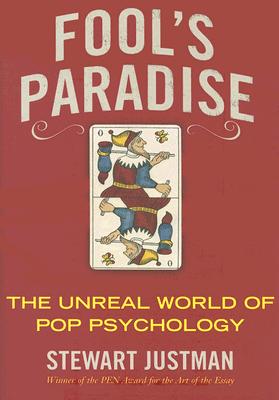
Fool's Paradise : The Unreal World of Pop Psychology
Book Details
Format
Hardback
ISBN-10
1566636280
ISBN-13
9781566636285
Publisher
Ivan R Dee, Inc
Imprint
Ivan R Dee, Inc
Country of Manufacture
US
Country of Publication
GB
Publication Date
Sep 7th, 2005
Print length
276 Pages
Weight
544 grams
Dimensions
22.90 x 17.00 x 2.50 cms
Product Classification:
Social, group or collective psychology
KSh 3,900.00
Re-Printing
0 in stock
Delivery Location
Delivery fee: Select location
Secure
Quality
Fast
Through the channels of the mass media, celebrity psychologists urge us to realize that society has robbed us of our authentic selves. That every moral standard or prohibition imposes on our selfhoods. That what we have inherited from the past is false. That we ourselves are the only truth in a world of lies. That we must challenge "virtually everything." That we must "wipe the slate clean and start over." Each of these "principles" is a commonplace of pop psychology, and each has almost unimaginably radical implications. Where did pop psychology come from, and what are its promises—and fallacies? How is it that we have elevated people like Phil McGraw, Theodore Rubin, Wayne Dyer, M. Scott Peck, Thomas Harris, John Gray, and many other self-help gurus to priestly status in American culture? In Fool's Paradise, the award-winning essayist Stewart Justman traces the inspiration of the pop psychology movement to the utopianism of the 1960s and argues that it consistently misuses the rhetoric that grew out of the civil rights movement. Speaking as it does in the name of our right to happiness, pop psychology promises liberation from all that interferes with our power to create the selves we want. In so doing, Mr. Justman writes, it not only defies reality but corrodes the traditions and attachments that give depth and richness to human life. His witty and astringent appraisal of the world of pop psychology, which quotes liberally from the most popular sources of advice, is an essential social corrective as well as a vastly entertaining and stimulating book.
Through the channels of the mass media, celebrity psychologists urge us to realize that society has robbed us of our authentic selves. That every moral standard or prohibition imposes on our selfhoods. That what we have inherited from the past is false. That we ourselves are the only truth in a world of lies. That we must challenge "virtually everything." That we must "wipe the slate clean and start over." Each of these "principles" is a commonplace of pop psychology, and each has almost unimaginably radical implications. Where did pop psychology come from, and what are its promises—and fallacies? How is it that we have elevated people like Phil McGraw, Theodore Rubin, Wayne Dyer, M. Scott Peck, Thomas Harris, John Gray, and many other self-help gurus to priestly status in American culture? In Fool''s Paradise, the award-winning essayist Stewart Justman traces the inspiration of the pop psychology movement to the utopianism of the 1960s and argues that it consistently misuses the rhetoric that grew out of the civil rights movement. Speaking as it does in the name of our right to happiness, pop psychology promises liberation from all that interferes with our power to create the selves we want. In so doing, Mr. Justman writes, it not only defies reality but corrodes the traditions and attachments that give depth and richness to human life. His witty and astringent appraisal of the world of pop psychology, which quotes liberally from the most popular sources of advice, is an essential social corrective as well as a vastly entertaining and stimulating book.
Get Fool's Paradise by Stewart Justman at the best price and quality guaranteed only at Werezi Africa's largest book ecommerce store. The book was published by Ivan R Dee, Inc and it has 276 pages.
Customers Who Bought This Also Bought

The Culture Map
KSh 3,050.00
Abundance
KSh 2,150.00
Think Again
KSh 2,000.00
Amusing Ourselves to Death
KSh 2,000.00

The Sane Society
KSh 3,500.00
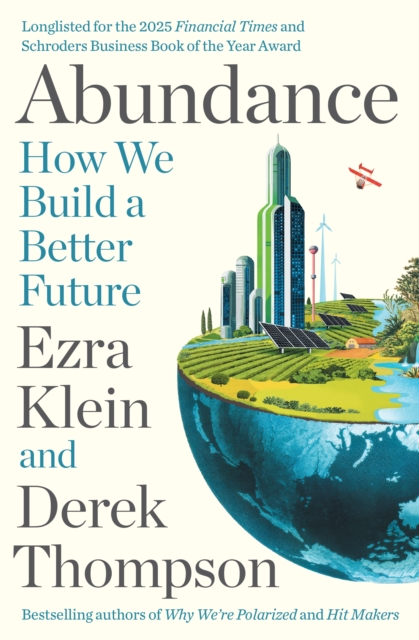
Abundance
KSh 3,050.00
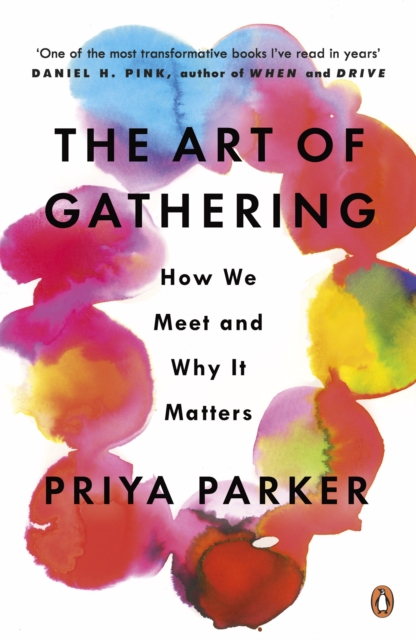
Art of Gathering
KSh 2,150.00

The Anxious Generation
KSh 2,000.00
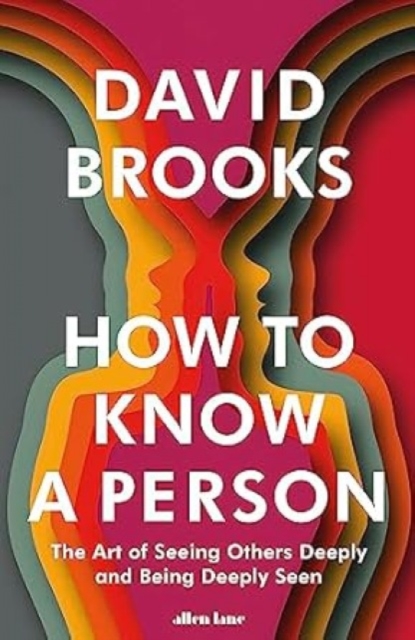
How To Know a Person
KSh 2,350.00
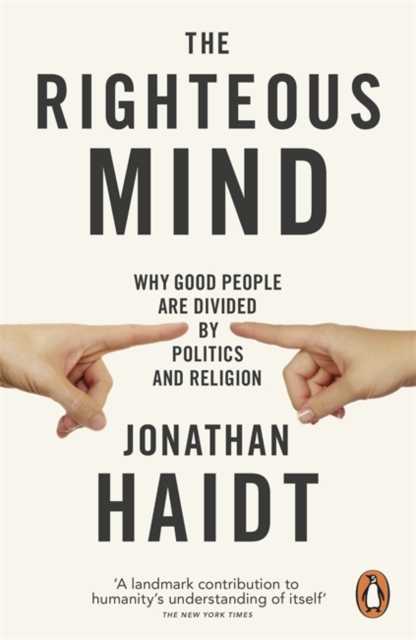
Righteous Mind
KSh 2,700.00
Outliers
KSh 1,250.00

Persuaders
KSh 3,600.00