
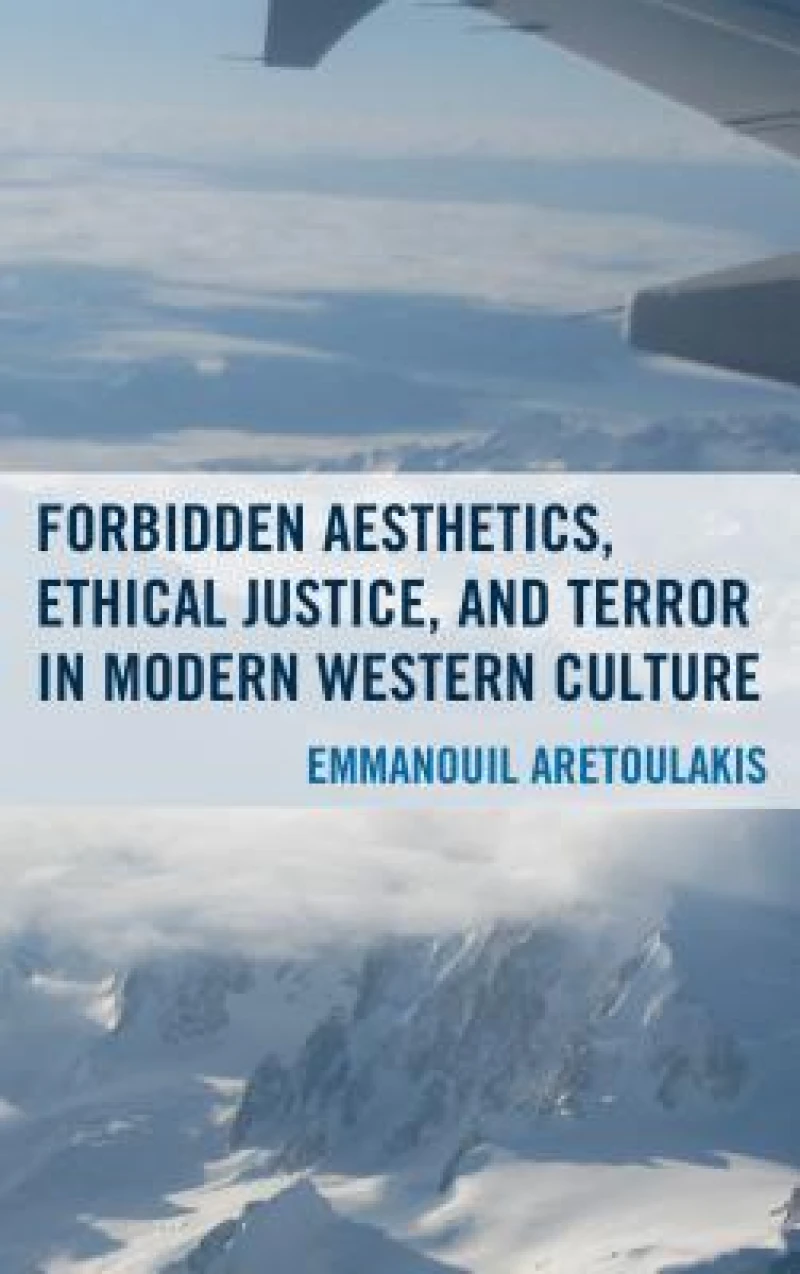
Forbidden Aesthetics, Ethical Justice, and Terror in Modern Western Culture
Book Details
Format
Hardback or Cased Book
ISBN-10
1498513123
ISBN-13
9781498513128
Publisher
Bloomsbury Publishing Plc
Imprint
Lexington Books
Country of Manufacture
GB
Country of Publication
GB
Publication Date
May 19th, 2016
Print length
182 Pages
Weight
432 grams
Dimensions
16.20 x 24.70 x 2.00 cms
Product Classification:
Philosophy: aestheticsEthics & moral philosophy
Ksh 16,450.00
Manufactured on Demand
0 in stock
Delivery Location
Delivery fee: Select location
Secure
Quality
Fast
Forbidden Aesthetics, Ethical Justice, and Terror in Modern Western Culture explores the potential links between terror and aesthetics in modern Western society, specifically the affinity between terrorism and the possibility of an aesthetic appreciation of terrorist phenomena or events. But can we actually have an aesthetic appreciation of terror or terrorism? And if we can, is it ethical or legitimate? Emmanouil Aretoulakis proposes that Western spectators and subjects from the eighteenth century onwards have always felt, unconsciously or not, a certain kind of fascination or even exhilaration before scenes of tragedy and natural or manmade disaster. Owing to their immorality, such “forbidden” feelings go unacknowledged. It would definitely be callous as well as politically incorrect to acknowledge the existence of aesthetics in witnessing or representing human misery. Still, as Aretoulakis insists, our aesthetic faculties or even our appreciation of the beautiful are already inherent in how we view, appraise, and pass judgment upon phenomena of terrorism and disaster. Paradoxically, such a “forbidden aesthetics” is ethical despite its utter immorality.
Forbidden Aesthetics, Ethical Justice, and Terror in Modern Western Culture explores the potential links between terror and aesthetics in modern Western society, specifically the affinity between terrorism and the possibility of an aesthetic appreciation of terrorist phenomena or events. But can we actually have an aesthetic appreciation of terror or terrorism? And if we can, is it ethical or legitimate? Emmanouil Aretoulakis proposes that Western spectators and subjects from the eighteenth century onwards have always felt, unconsciously or not, a certain kind of fascination or even exhilaration before scenes of tragedy and natural or manmade disaster. Owing to their immorality, such “forbidden” feelings go unacknowledged. It would definitely be callous as well as politically incorrect to acknowledge the existence of aesthetics in witnessing or representing human misery. Still, as Aretoulakis insists, our aesthetic faculties or even our appreciation of the beautiful are already inherent in how we view, appraise, and pass judgment upon phenomena of terrorism and disaster. Paradoxically, such a “forbidden aesthetics” is ethical despite its utter immorality.
Get Forbidden Aesthetics, Ethical Justice, and Terror in Modern Western Culture by at the best price and quality guaranteed only at Werezi Africa's largest book ecommerce store. The book was published by Bloomsbury Publishing Plc and it has pages.

