

Forging a Christian Order : South Carolina Baptists, Race, and Slavery, 1696-1860
Book Details
Format
Hardback
Book Series
America's Baptists
ISBN-10
1621907597
ISBN-13
9781621907596
Publisher
University of Tennessee Press
Imprint
University of Tennessee Press
Country of Manufacture
GB
Country of Publication
GB
Publication Date
Mar 30th, 2023
Print length
280 Pages
Weight
476 grams
Dimensions
16.10 x 23.70 x 2.20 cms
KSh 10,100.00
Werezi Extended Catalogue
Delivery in 12 days
1 copies in stock
Delivery Location
Delivery fee: Select location
Delivery in 12 days
Secure
Quality
Fast
Argues that eighteenth-century White Baptists in South Carolina used the Bible to fashion a Christian model of slavery that recognised the humanity of enslaved people while accentuating contrived racial differences. Over time this model evolved from a Christian practice of slavery to one that expounded on slavery as morally right.
A significant contribution to the historiography of religion in the U.S. south, Forging a Christian Order challenges and complicates the standard view that eighteenth-century evangelicals exerted both religious and social challenges to the traditional mainstream order, not maturing into middle-class denominations until the nineteenth century. Instead, Kimberly R. Kellison argues, eighteenth-century White Baptists in South Carolina used the Bible to fashion a Christian model of slavery that recognized the humanity of enslaved people while accentuating contrived racial differences. Over time
this model evolved from a Christian practice of slavery to one that expounded on slavery as morally right.
Elites who began the Baptist church in late-1600s Charleston closely valued hierarchy. It is not surprising, then, that from its formation the church advanced a Christian model of slavery. The American Revolution spurred the associational growth of the denomination, reinforcing the rigid order of the authoritative master and subservient enslaved person, given that the theme of liberty for all threatened slaveholders’ way of life. In lowcountry South Carolina in the 1790s, where a White minority population lived in constant anxiety over control of the bodies of enslaved men and women, news of revolt in St. Domingue (Haiti) led to heightened fears of Black violence. Fearful of being associated with antislavery evangelicals and, in turn, of being labeled as an enemy of the planter and urban elite, White ministers orchestrated a major transformation in the Baptist construction of paternalism.
Forging a Christian Order provides a comprehensive examination of the Baptist movement in South Carolina from its founding to the eve of the Civil War and reveals that the growth of the Baptist church in South Carolina paralleled the growth and institutionalization of the American system of slavery—accommodating rather than challenging the prevailing social order of the economically stratified Lowcountry.
this model evolved from a Christian practice of slavery to one that expounded on slavery as morally right.
Elites who began the Baptist church in late-1600s Charleston closely valued hierarchy. It is not surprising, then, that from its formation the church advanced a Christian model of slavery. The American Revolution spurred the associational growth of the denomination, reinforcing the rigid order of the authoritative master and subservient enslaved person, given that the theme of liberty for all threatened slaveholders’ way of life. In lowcountry South Carolina in the 1790s, where a White minority population lived in constant anxiety over control of the bodies of enslaved men and women, news of revolt in St. Domingue (Haiti) led to heightened fears of Black violence. Fearful of being associated with antislavery evangelicals and, in turn, of being labeled as an enemy of the planter and urban elite, White ministers orchestrated a major transformation in the Baptist construction of paternalism.
Forging a Christian Order provides a comprehensive examination of the Baptist movement in South Carolina from its founding to the eve of the Civil War and reveals that the growth of the Baptist church in South Carolina paralleled the growth and institutionalization of the American system of slavery—accommodating rather than challenging the prevailing social order of the economically stratified Lowcountry.
Get Forging a Christian Order by Kimberly Kellison at the best price and quality guaranteed only at Werezi Africa's largest book ecommerce store. The book was published by University of Tennessee Press and it has 280 pages.
Customers Who Bought This Also Bought
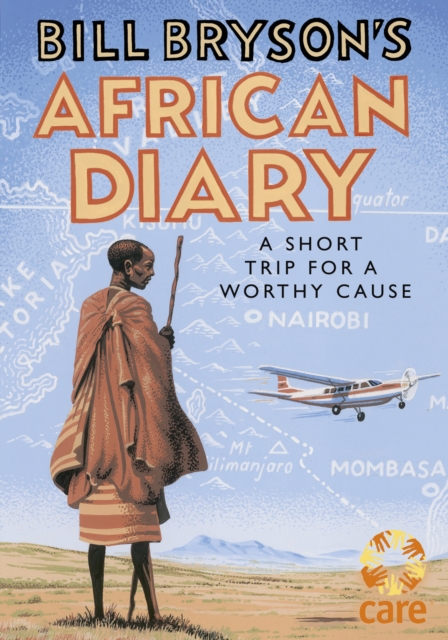
Bill Bryson''s African Diary
KSh 2,350.00

January 6 and the Politics of History
KSh 4,650.00

World Beneath the Sands
KSh 3,050.00

Black Revolutionaries – A History of the Black Panther Party
KSh 6,850.00

Tutankhamun''s Trumpet
KSh 3,100.00

Tutankhamun''s Trumpet
KSh 2,350.00

Midnight Cry
KSh 5,900.00

The Proof Is in the Dough
KSh 5,750.00

The Zombie Memes of Dixie
KSh 5,050.00
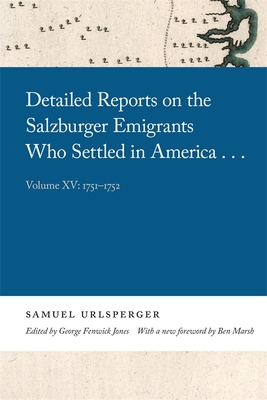
Detailed Reports on the Salzburger Emigrants Who Settled in America...
KSh 26,700.00
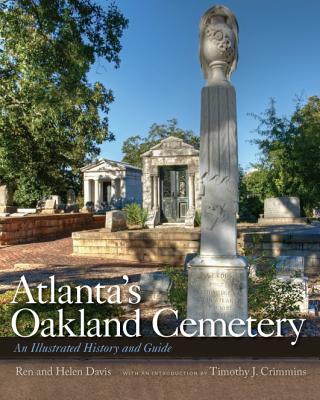
Atlanta's Oakland Cemetery
KSh 7,350.00

Vanishing Georgia
KSh 8,000.00
Shopping Cart
Africa largest book store
Sub Total:

Digital Library
Coming Soon
Our digital collection is currently being curated to ensure the best possible reading experience on Werezi. We'll be launching our Ebooks platform shortly.