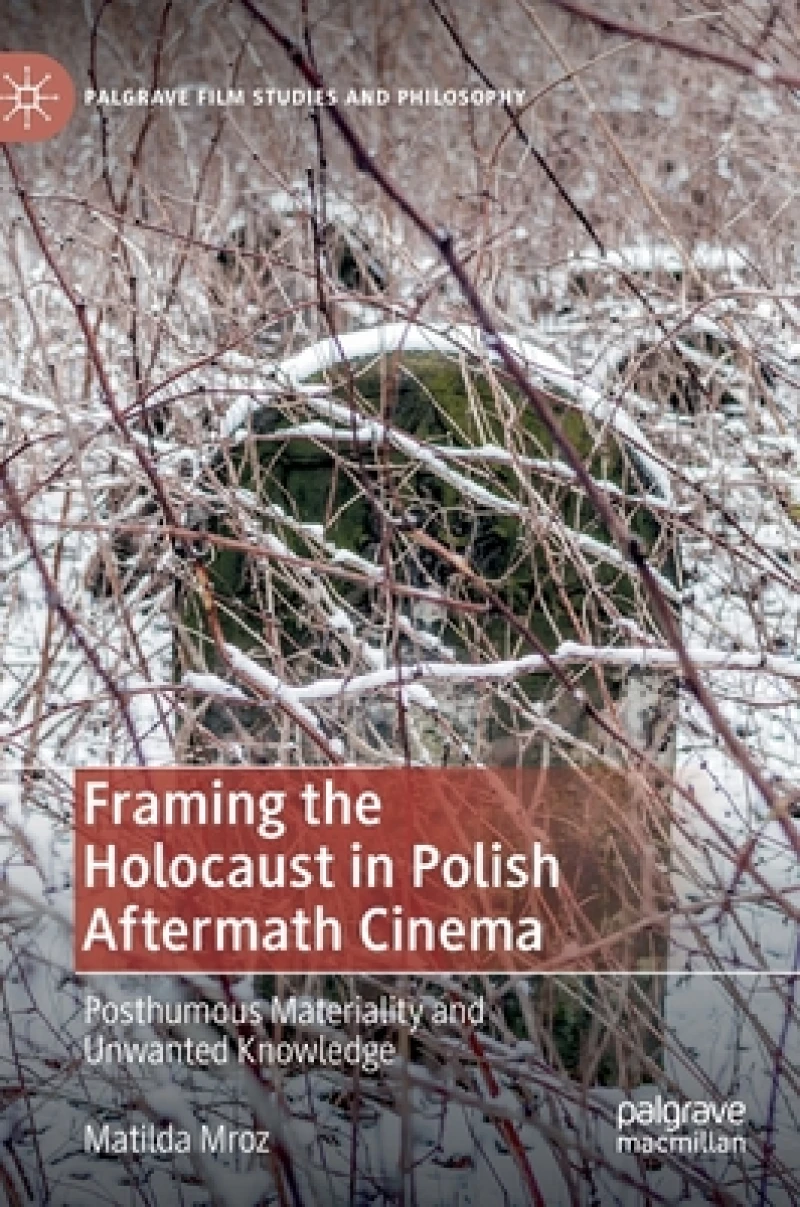
Framing the Holocaust in Polish Aftermath Cinema : Posthumous Materiality and Unwanted Knowledge
2020 ed.
Book Details
Delivery Location
Delivery fee: Select location
This book offers a unique perspective on contemporary Polish cinema''s engagement with histories of Polish violence against their Jewish neighbours during the Holocaust. Moving beyond conventional studies of historical representation on screen, the book considers how cinema reframes the unwanted knowledge of violence in its aftermaths. The book draws on Derridean hauntology, Didi-Huberman''s confrontations with art images, Levinasian ethics and anamorphosis to examine cinematic reconfigurations of histories and memories that are vulnerable to evasion and formlessness. Innovative analyses of Birthplace (Lozinski, 1992), It Looks Pretty From a Distance (Sasnal, 2011), Aftermath (Pasikowski, 2012), and Ida (Pawlikowski, 2013) explore how their rural filmic landscapes are predicated on the radical exclusion of Jewish neighbours, prompting archaeological processes of exhumation. Arguing that the distressing materiality of decomposition disturbs cinematic composition, the book examines how Poland''s aftermath cinema attempts to recompose itself through form and narrative as it faces Polish complicity in Jewish death.
Get Framing the Holocaust in Polish Aftermath Cinema by at the best price and quality guaranteed only at Werezi Africa's largest book ecommerce store. The book was published by Palgrave Macmillan and it has pages.