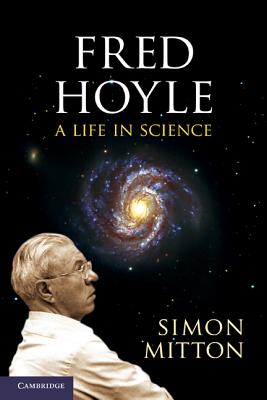
Fred Hoyle : A Life in Science
by
Simon Mitton
Book Details
Format
Paperback / softback
ISBN-10
0521189470
ISBN-13
9780521189477
Publisher
Cambridge University Press
Imprint
Cambridge University Press
Country of Manufacture
GB
Country of Publication
GB
Publication Date
Feb 24th, 2011
Print length
384 Pages
Weight
656 grams
Dimensions
23.00 x 15.70 x 1.90 cms
Product Classification:
Biography: science, technology & medicinePopular astronomy & space
KSh 5,150.00
Currently unavailable
0 in stock
Delivery Location
Delivery fee: Select location
Secure
Quality
Fast
The scientific life of Fred Hoyle (1915–2001) was truly unparalleled. During his career he wrote groundbreaking scientific papers and caused bitter disputes in the scientific community with his revolutionary theories. Written from personal accounts and interviews with his contemporaries, this book gives valuable insights into Fred Hoyle's unforgettable life.
The scientific life of Fred Hoyle (1915–2001) was truly unparalleled. During his career he wrote groundbreaking scientific papers and caused bitter disputes in the scientific community with his revolutionary theories. Hoyle is best known for showing that we are all, literally, made of stardust in his paper explaining how carbon, and then all the heavier elements, were created by nuclear reactions inside stars. However, he constantly courted controversy and two years later he followed this with his ''steady state'' theory of the universe. This challenged another model of the universe, which Hoyle called the ''big bang'' theory. Fred Hoyle was also famous amongst the general public. He popularised his research through radio and television broadcasts and wrote best-selling novels. Written from personal accounts and interviews with Hoyle''s contemporaries, this book gives valuable personal insights into Fred Hoyle and his unforgettable life.
Get Fred Hoyle by Simon Mitton at the best price and quality guaranteed only at Werezi Africa's largest book ecommerce store. The book was published by Cambridge University Press and it has 384 pages.
Customers Who Bought This Also Bought

Maybe You Should Talk to Someone
KSh 2,000.00
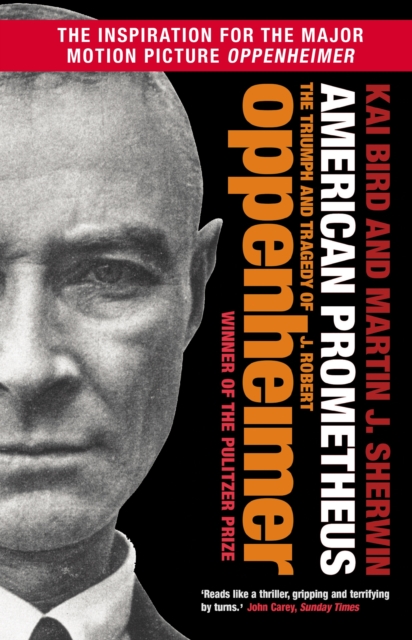
American Prometheus
KSh 2,700.00
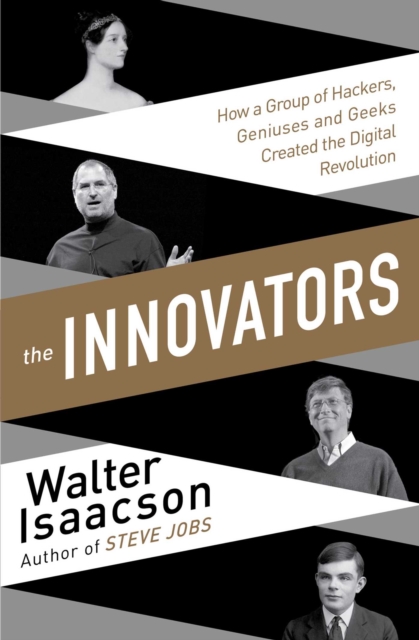
Innovators
KSh 2,000.00
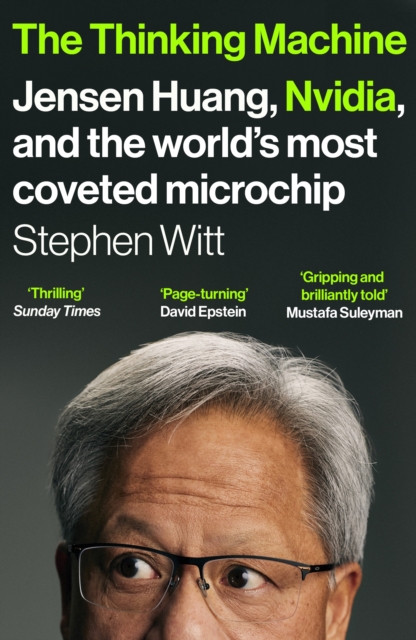
The Thinking Machine
KSh 2,350.00
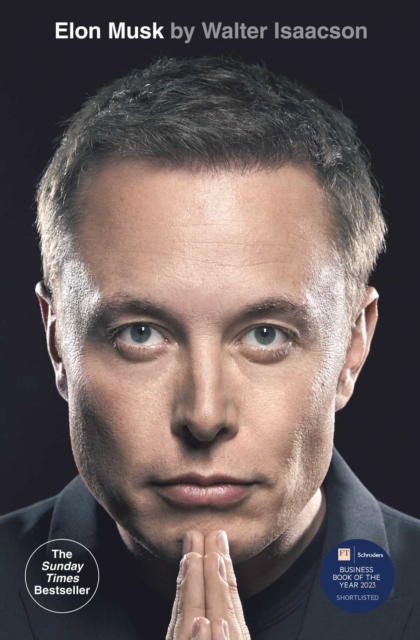
Elon Musk
KSh 2,350.00

Anaximander
KSh 2,000.00
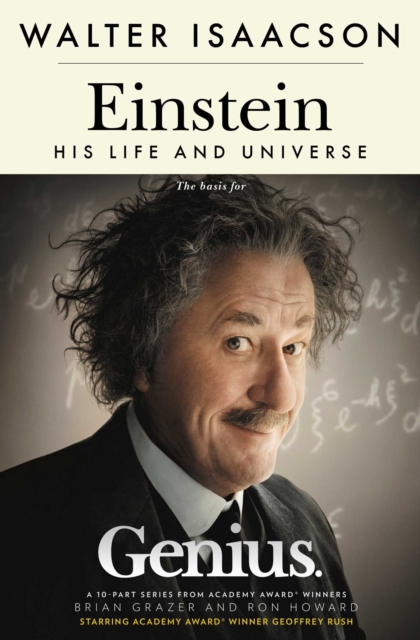
Einstein
KSh 2,000.00

A Mind of My Own
KSh 3,950.00
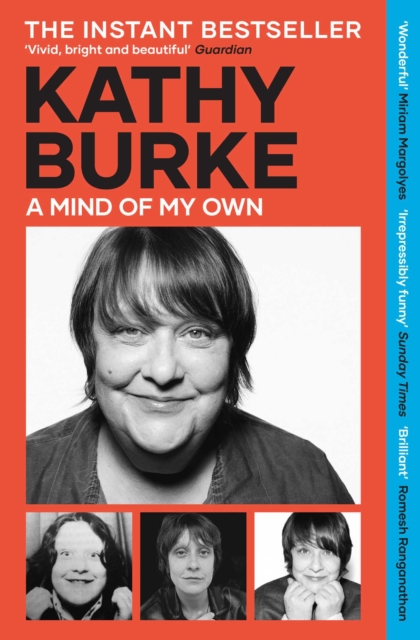
A Mind of My Own
KSh 2,000.00
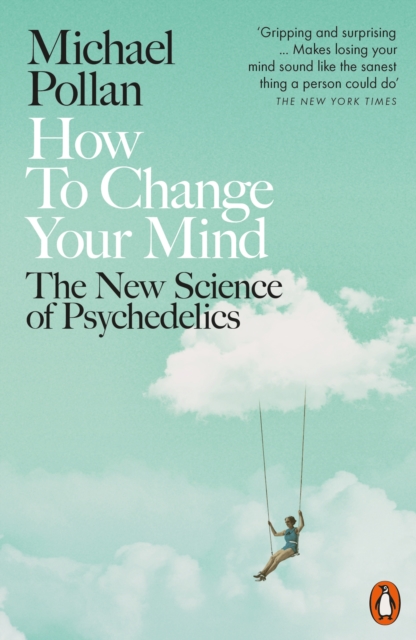
How to Change Your Mind
KSh 2,700.00
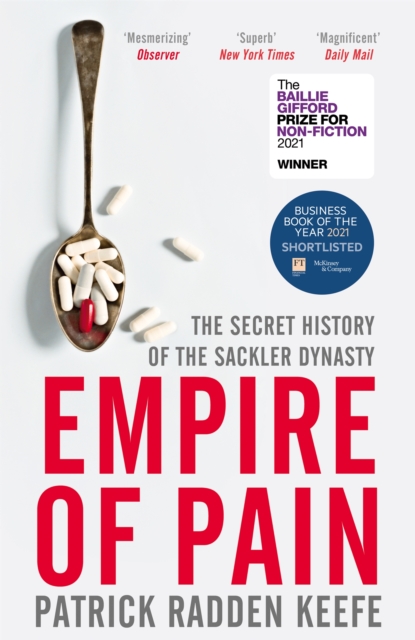
Empire of Pain
KSh 2,350.00

Hidden Valley Road
KSh 2,350.00