

Freedom : The Overthrow of the Slave Empires
Book Details
Delivery Location
Delivery fee: Select location
In this timely and very readable new work, Walvin focuses not on abolitionism or the brutality and suffering of slavery, but on resistance, the resistance of the enslaved themselves - from sabotage and absconding to full-blown uprisings - and its impact in overthrowing slavery. He also looks that whole Atlantic world, including the Spanish Empire and Brazil.
In doing so, he casts new light on one of the major shifts in Western history in the past five centuries. In the three centuries following Columbus''s landfall in the Americas, slavery became a critical institution across swathes of both North and South America. It saw twelve million Africans forced onto slave ships, and had seismic consequences for Africa. It led to the transformation of the Americas and to the material enrichment of the Western world. It was also largely unquestioned. Yet within a mere seventy-five years during the nineteenth century slavery had vanished from the Americas: it declined, collapsed and was destroyed by a complexity of forces that, to this day, remains disputed, but there is no doubting that it was in large part defeated by those it had enslaved.
Slavery itself came in many shapes and sizes. It is perhaps best remembered on the plantations - though even those can deceive. Slavery varied enormously from one crop to another- sugar, tobacco, rice, coffee, cotton. And there was in addition myriad tasks for the enslaved to do, from shipboard and dockside labour, to cattlemen on the frontier, through to domestic labour and child-care duties. Slavery was, then, both ubiquitous and varied. But if all these millions of diverse, enslaved people had one thing in common it was a universal detestation of their bondage. They wanted an end to it: they wanted to be like the free people around them.
Most of these enslaved peoples did not live to see freedom. But an old freed man or woman in, say Cuba or Brazil in the 1880s, had lived through its destruction clean across the Americas. The collapse of slavery and the triumph of black freedom constitutes an extraordinary historical upheaval - and this book explains how that happened.
Get Freedom by James Walvin at the best price and quality guaranteed only at Werezi Africa's largest book ecommerce store. The book was published by Little, Brown.
Customers Who Bought This Also Bought
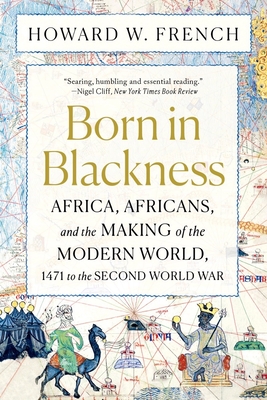
Born in Blackness – Africa, Africans, and the Making of the Modern World, 1471 to the Second World War
KSh 2,950.00

Migrations
KSh 5,450.00
The Lost City of Z
KSh 2,000.00

On War
KSh 1,200.00

The Lumumba Plot
KSh 3,050.00

Boer War
KSh 3,400.00
The Lessons of History
KSh 1,800.00
White Nights and Other Stories
KSh 3,900.00
A New World Begins
KSh 3,950.00

Reformation
KSh 3,400.00

Hiroshima Men
KSh 4,500.00
Genius Myth
KSh 3,050.00
More by James Walvin

Short History of Slavery
KSh 2,350.00

Making the Black Atlantic
KSh 23,000.00

Slavery, Abolition and Emancipation Vol 3
KSh 27,850.00

Britain''s Slave Empire
KSh 2,350.00
Britain's Slave Empire
KSh 3,600.00

Slavery, Abolition and Emancipation Vol 6
KSh 28,550.00
Slavery
KSh 1,800.00

A World Transformed
KSh 3,050.00
Amazing Grace – A Cultural History of the Beloved Hymn
KSh 3,050.00

Britain''s Slave Empire
KSh 1,800.00

Slavery, Abolition and Emancipation Vol 7
KSh 27,850.00
Questioning Slavery
KSh 8,750.00
