

Frontline Bodies : Sports and Black Struggles for Justice since the Late Nineteenth Century
Book Details
Delivery Location
Delivery fee: Select location
Delivery in 12 days
A captivating exploration of Black American civil rights activism through the lens of sport.
In Frontline Bodies, Nicolas Martin-Breteau argues that sports are not—and have never been—purely about entertainment for Black Americans. Instead, beginning in the 1890s during Reconstruction, Black Americans proactively used athletics as a tactic to fight racial oppression. Since the body was the primary target of anti-Black racial oppression, African Americans turned sports into a key medium in their struggles for dignity, equality, and justice. Although Black photography and art also aimed at displaying the dignity of the Black body, sports arguably had the greatest impact on American and international public opinion.
Martin-Breteau considers the work of Edwin B. Henderson, a prominent Black physical educator, civil rights activist, and historian of Black sports. Training Black children as athletes, Henderson felt, would work both to fortify racial pride and to dismantle racial prejudices—two necessary requirements for a successful political liberation struggle. In this way, physical education became political education. By the end of World War II, the tactic of racial uplift through sports had reached its peak of popularity, only to subsequently lose its appeal among younger activists, many of whom believed that the strategy was ineffective in fighting institutional racism and served mainly as an emulation of middle-class white norms.
By the end of the twentieth century, Martin-Breteau argues, racial uplift through sports had lost its emancipating power. The emphasis on the accumulation of wealth for professional athletes, as well as sports'' ability to reinforce anti-Black stereotypes, had become a political problem for true collective liberation. For a marginalized group of people that has been physically excluded from the democratic process, however, sports remain a political resource. By studying the relationship between athletics and politics, Frontline Bodies renews the history of minority bodies and their power of action.
—David K. Wiggins, author of More than a Game: A History of the African American Experience in Sport
—Loïc Wacquant, author of Body and Soul: Notebooks of an Apprentice Boxer
Get Frontline Bodies by Nicolas Martin-Breteau at the best price and quality guaranteed only at Werezi Africa's largest book ecommerce store. The book was published by Johns Hopkins University Press and it has 376 pages.
Customers Who Bought This Also Bought
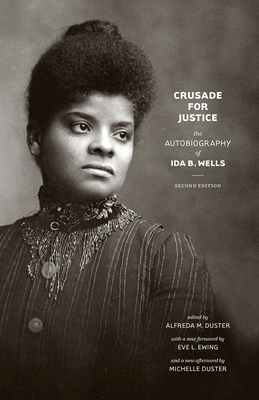
Crusade for Justice – The Autobiography of Ida B. Wells, Second Edition
KSh 4,050.00
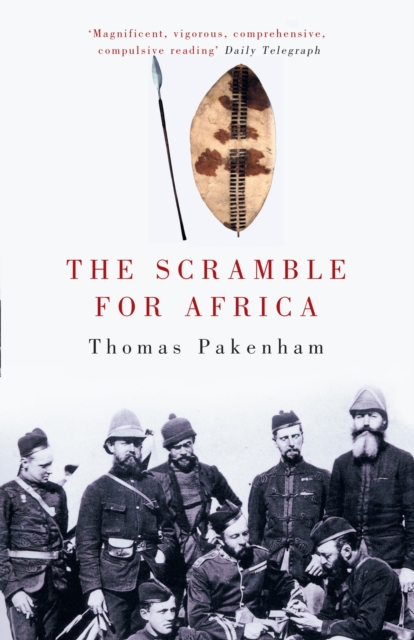
Scramble for Africa
KSh 3,400.00

Its Our Turn to Eat
KSh 2,350.00
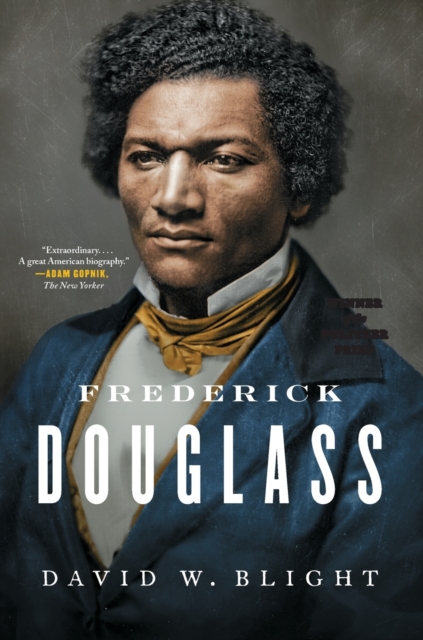
Frederick Douglass
KSh 3,350.00

Anarchy
KSh 2,700.00

Second Treatise of Government – Norton Library
KSh 1,600.00

What Matters in Jane Austen?
KSh 2,700.00

The Life Of The Mind
KSh 3,950.00

Napoleon The Great
KSh 3,600.00

Culture and Imperialism
KSh 2,700.00

Master Slave Husband Wife
KSh 2,000.00

Letters on England
KSh 2,350.00
