
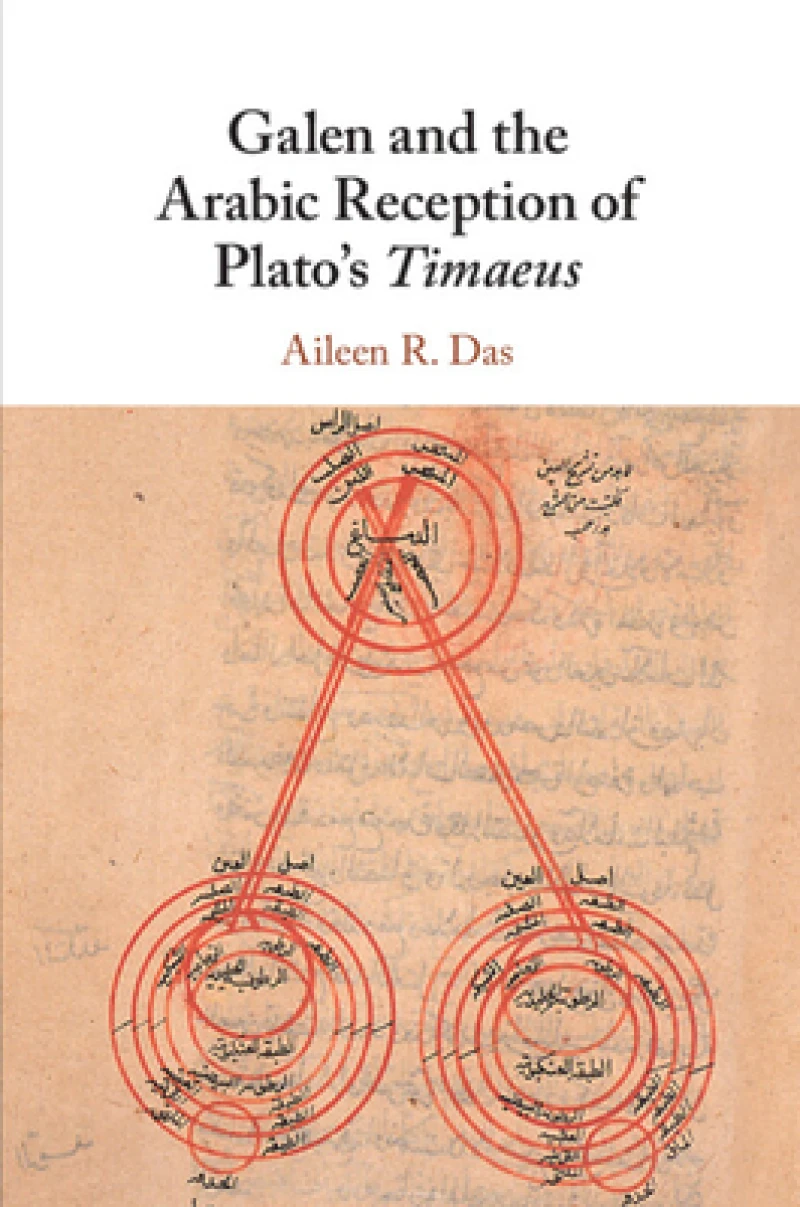
Galen and the Arabic Reception of Plato''s Timaeus
Book Details
Format
Paperback / Softback
ISBN-10
1108730736
ISBN-13
9781108730730
Publisher
Cambridge University Press
Imprint
Cambridge University Press
Country of Manufacture
GB
Country of Publication
GB
Publication Date
Mar 10th, 2022
Print length
258 Pages
Weight
446 grams
Dimensions
15.10 x 22.90 x 1.60 cms
Ksh 6,300.00
Manufactured on Demand
0 in stock
Delivery Location
Delivery fee: Select location
Secure
Quality
Fast
Explores the Timaeus' impact on pre-modern Greek and Arabic conceptualizations of medicine and will appeal to classicists, medievalists, and historians of philosophy, science, and the Middle East. Its five case studies examine how thinkers such as Galen and Avicenna used Plato's dialogue to define their expertise and professional identities.
This first full-length study of the Arabic reception of Plato''s Timaeus considers the role of Galen of Pergamum (129–c. 216 CE) in shaping medieval perceptions of the text as transgressing disciplinary norms. It argues that Galen appealed to the entangled cosmological scheme of the dialogue, where different relations connect the body, soul, and cosmos, to expand the boundaries of medicine in his pursuit for epistemic authority – the right to define and explain natural reality. Aileen Das situates Galen''s work on disciplinary boundaries in the context of medicine''s ancient rivalry with philosophy, whose professionals were long seen as superior knowers of the cosmos vis-à-vis doctors. Her case studies show how Galen and four of the most important Christian, Muslim, and Jewish thinkers in the Arabic Middle Ages creatively interpreted key doctrines from the Timaeus to reimagine medicine and philosophy as well as their own intellectual identities.
Get Galen and the Arabic Reception of Plato''s Timaeus by at the best price and quality guaranteed only at Werezi Africa's largest book ecommerce store. The book was published by Cambridge University Press and it has pages.

