
Cart 0
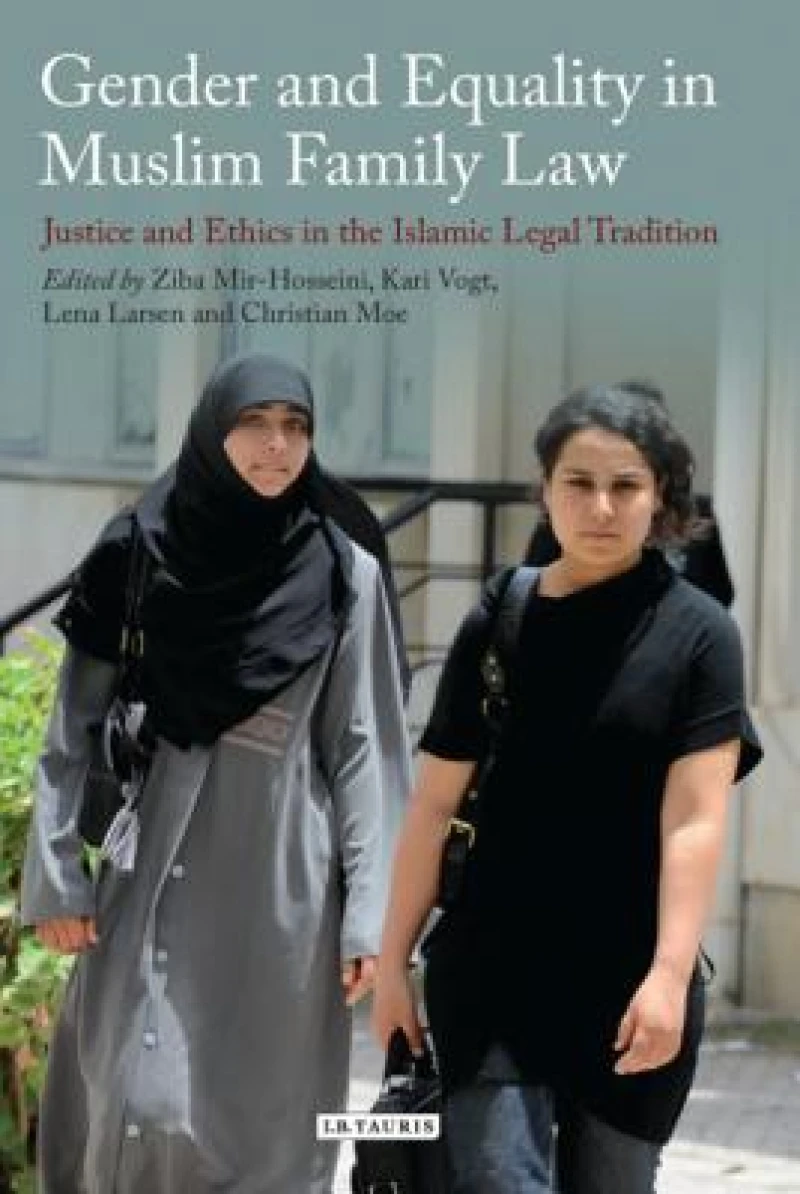
Gender and Equality in Muslim Family Law
Click to zoom

Share this book

Gender and Equality in Muslim Family Law : Justice and Ethics in the Islamic Legal Tradition

Book Details

Format Paperback / Softback
ISBN-10 1784537403
ISBN-13 9781784537401
Publisher Bloomsbury Publishing PLC
Imprint I.B. Tauris
Country of Manufacture US
Country of Publication GB
Publication Date Jan 18th, 2017
Print length 288 Pages
Weight 396 grams
Dimensions 15.90 x 27.50 x 2.40 cms
Ksh 4,550.00
Werezi Extended Catalogue 0 in stock

Delivery Location

Delivery fee: Select location

Secure
Quality
Fast
Gender equality is a modern ideal, which has only recently, with the expansion of human rights and feminist discourses, become inherent to generally accepted conceptions of justice. In Islam, as in other religious traditions, the idea of equality between men and women was neither central to notions of justice nor part of the juristic landscape, and Muslim jurists did not begin to address it until the twentieth century. The personal status of Muslim men, women and children continues to be defined by understandings of Islamic law codified and adapted by modern nation-states that assume authority to be the natural prerogative of men, that disadvantage women and that are prone to abuse. This volume argues that effective and sustainable reform of these laws and practices requires engagement with their religious rationales from within the tradition. Gender and Equality in Muslim Family Law offers a groundbreaking analysis of family law, based on fieldwork in family courts, and illuminated by insights from distinguished clerics and scholars of Islam from Morocco, Egypt, Iran, Pakistan and Indonesia, as well as by the experience of human rights and women s rights activists. It explores how male authority is sustained through law and court practice in different contexts, the consequences for women and the family, and the demands made by Muslim women s groups. The book argues for women's full equality before the law by re-examining the jurisprudential and theological arguments for male guardianship (qiwama, wilaya) in Islamic legal tradition. Using contemporary examples from various contexts, from Morocco to Malaysia, this volume presents an informative and vital analysis of these societies and gender relations within them. It unpicks the complex and often contradictory attitudes towards Muslim family law, and the ways in which justice and ethics are conceived in the Islamic tradition. The book offers a new framework for rethinking old formulations so as to reflect contemporary realities and understandings of justice, ethics and gender rights. "

Gender equality is a modern ideal, which has only recently, with the expansion of human rights and feminist discourses, become inherent to generally accepted conceptions of justice. In Islam, as in other religious traditions, the idea of equality between men and women was neither central to notions of justice nor part of the juristic landscape, and Muslim jurists did not begin to address it until the twentieth century. The personal status of Muslim men, women and children continues to be defined by understandings of Islamic law codified and adapted by modern nation-states that assume authority to be the natural prerogative of men, that disadvantage women and that are prone to abuse. This volume argues that effective and sustainable reform of these laws and practices requires engagement with their religious rationales from within the tradition. Gender and Equality in Muslim Family Law offers a groundbreaking analysis of family law, based on fieldwork in family courts, and illuminated by insights from distinguished clerics and scholars of Islam from Morocco, Egypt, Iran, Pakistan and Indonesia, as well as by the experience of human rights and women s rights activists.
It explores how male authority is sustained through law and court practice in different contexts, the consequences for women and the family, and the demands made by Muslim women s groups. The book argues for women''s full equality before the law by re-examining the jurisprudential and theological arguments for male guardianship (qiwama, wilaya) in Islamic legal tradition. Using contemporary examples from various contexts, from Morocco to Malaysia, this volume presents an informative and vital analysis of these societies and gender relations within them. It unpicks the complex and often contradictory attitudes towards Muslim family law, and the ways in which justice and ethics are conceived in the Islamic tradition. The book offers a new framework for rethinking old formulations so as to reflect contemporary realities and understandings of justice, ethics and gender rights. "


Get Gender and Equality in Muslim Family Law by at the best price and quality guaranteed only at Werezi Africa's largest book ecommerce store. The book was published by Bloomsbury Publishing PLC and it has pages.


Mind, Body, & Spirit

Shopping Cart

Africa largest book store

Sub Total:
Ebooks

Digital Library
Coming Soon

Our digital collection is currently being curated to ensure the best possible reading experience on Werezi. We'll be launching our Ebooks platform shortly.