
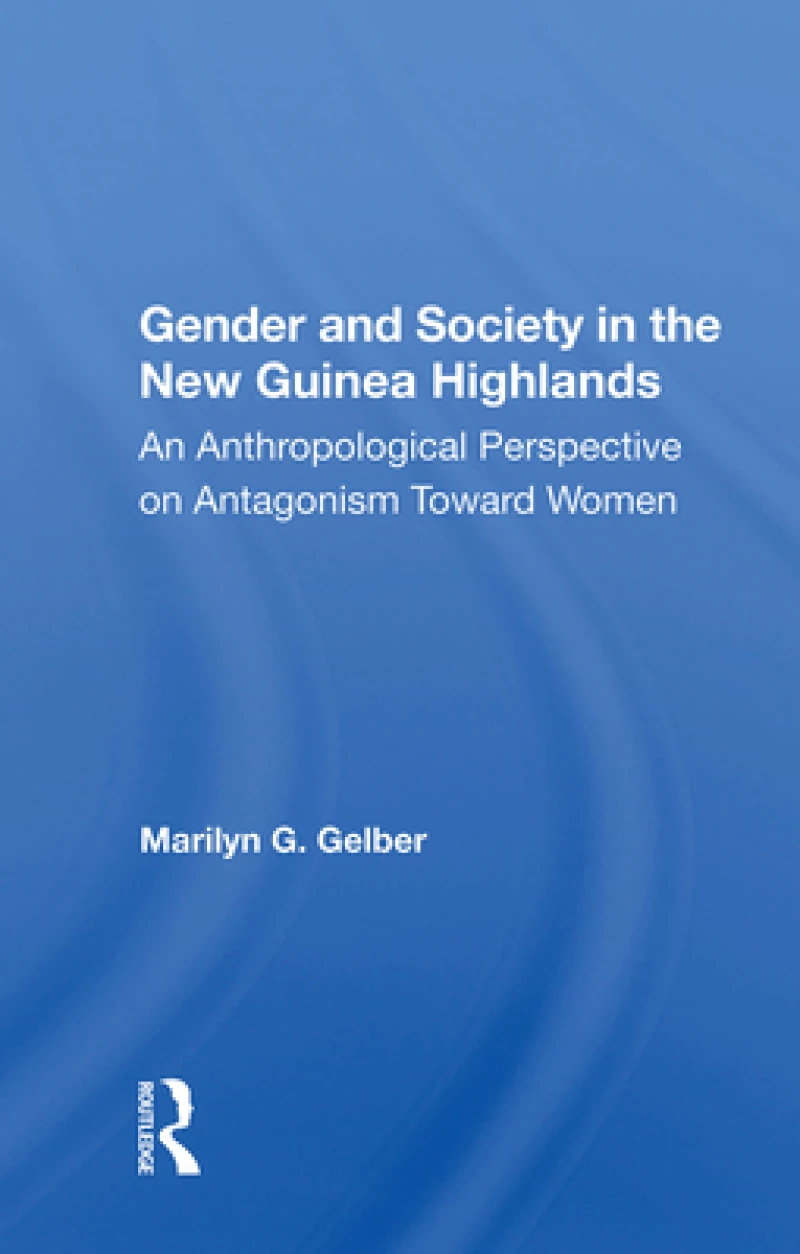
Gender And Society In The New Guinea Highlands : An Anthropological Perspective On Antagonism Toward Women
Book Details
Format
Hardback or Cased Book
ISBN-10
0367011344
ISBN-13
9780367011345
Publisher
Taylor & Francis Ltd
Imprint
Routledge
Country of Manufacture
GB
Country of Publication
GB
Publication Date
Jun 7th, 2019
Print length
192 Pages
Weight
453 grams
Product Classification:
Gender studies, gender groups
Ksh 27,900.00
Werezi Extended Catalogue
0 in stock
Delivery Location
Delivery fee: Select location
Secure
Quality
Fast
The societies of the New Guinea Highlands are among the last-contacted horticulturalist peoples of the world. Endemic warfare, elaborate systems of exchange, flamboyant personality styles, and exaggerated forms of antagonism between the sexes have made them a subject of interest to anthropologists for three decades. This book examines the relationship between the sexes, especially the attitudes and behavior of men toward women, as a result of the economic, political, and structural constraints of Highland social organization. Hostility toward women, which is evident in a high level of violence toward women and an articulated fear of association with them, is given special attention. Dr. Gelber''s study is unique not only because it treats gender relations in the entire culture area of the Highlands, but also because a broad array of types of anthropological analysisecosystemic, population-regulatory, economic, sociopolitical, psychological, and ideationalare considered for their relevance to the phenomenon of intersexual hostility. The author''s emphasis on underlying problems of explanation and theory, as well as the treatment of attitudes and beliefs as a function of socioeconomic constraints, is a departure from previous modes of analysis and raises new issues in anthropological theory and in the study of gender.
The societies of the New Guinea Highlands are among the last-contacted horticulturalist peoples of the world. Endemic warfare, elaborate systems of exchange, flamboyant personality styles, and exaggerated forms of antagonism between the sexes have made them a subject of interest to anthropologists for three decades. This book examines the relationship between the sexes, especially the attitudes and behavior of men toward women, as a result of the economic, political, and structural constraints of Highland social organization. Hostility toward women, which is evident in a high level of violence toward women and an articulated fear of association with them, is given special attention. Dr. Gelber''s study is unique not only because it treats gender relations in the entire culture area of the Highlands, but also because a broad array of types of anthropological analysisecosystemic, population-regulatory, economic, sociopolitical, psychological, and ideationalare considered for their relevance to the phenomenon of intersexual hostility. The author''s emphasis on underlying problems of explanation and theory, as well as the treatment of attitudes and beliefs as a function of socioeconomic constraints, is a departure from previous modes of analysis and raises new issues in anthropological theory and in the study of gender.
Get Gender And Society In The New Guinea Highlands by at the best price and quality guaranteed only at Werezi Africa's largest book ecommerce store. The book was published by Taylor & Francis Ltd and it has pages.

