
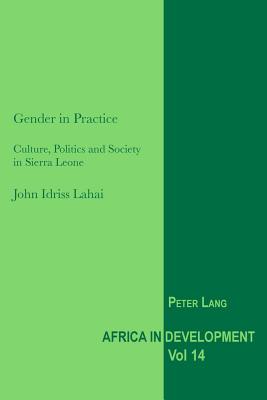
Book Details
Format
Paperback / softback
Book Series
Africa in Development
ISBN-10
1906165777
ISBN-13
9781906165772
Edition
New
Publisher
Peter Lang Ltd
Imprint
Peter Lang Ltd
Country of Manufacture
GB
Country of Publication
GB
Publication Date
Oct 28th, 2016
Print length
276 Pages
Weight
418 grams
Dimensions
15.30 x 22.50 x 3.10 cms
Product Classification:
Sierra LeoneCultural studiesGender studies: women and girlsCultural studiesGender studies: womenSociology: family & relationshipsSociology: family, kinship and relationshipsSocial & cultural anthropology, ethnographySocial and cultural anthropologyPolitical science & theoryPolitical science and theory
KSh 7,900.00
Currently unavailable
0 in stock
Delivery Location
Delivery fee: Select location
Secure
Quality
Fast
In Sierra Leone, the dominant epistemological framework of the political and social history of the country and the post-colonial understanding of the place of men and women are based on the inter-subjective discourses of power, place, identity and belongingness. Through a complex web of culturally regulated, politically motivated and patriarchally conditioned belief systems on sexualities, a transition is imagined that goes beyond symbolism and familial attributes. Its aesthetics, as this book demonstrates, are deployed as a domain in which the political and cultural understanding of statehood, gender relations, politics, governance, armed conflict, human rights, women’s empowerment and sexual identity are made and remade. In the main, the rudimentary discourses on the everyday individual/collective survival strategies of women have exposed, in expressive forms, the gendered uncertainties in people’s lives. However, in practical terms, as described in this book, these uncertainties are a demonstration of the tensions between culturalism (and its post-colonial discontents) and the gender-ideological narrative concerning the question of gender equality and women’s place in politics, culture and society across time and space in Sierra Leone.
Get Gender in Practice by John Idriss Lahai at the best price and quality guaranteed only at Werezi Africa's largest book ecommerce store. The book was published by Peter Lang Ltd and it has 276 pages.
Customers Who Bought This Also Bought
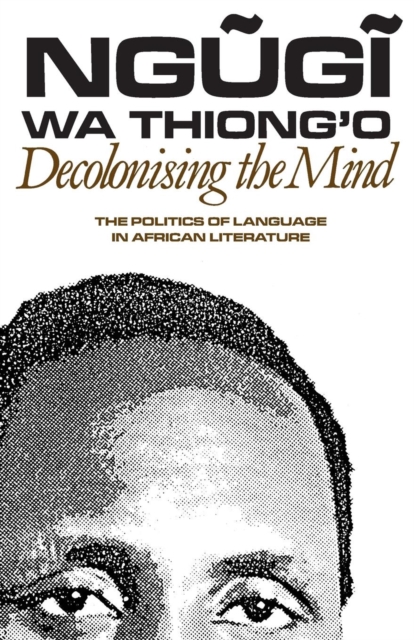
Decolonising the Mind
KSh 4,700.00
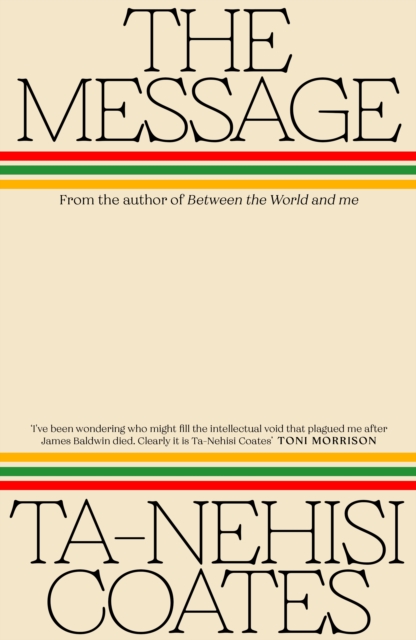
Message
KSh 3,400.00

The Culture Map
KSh 3,050.00
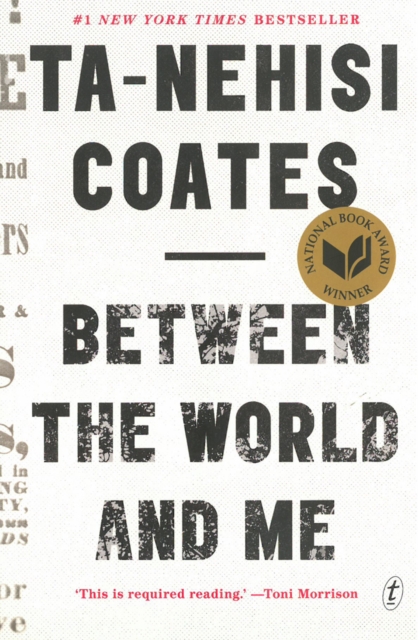
Between The World And Me
KSh 2,000.00
Orientalism
KSh 2,350.00
Culture and Imperialism
KSh 2,700.00

Africa Is Not A Country
KSh 2,350.00
White Album
KSh 2,000.00
Moving the Centre
KSh 4,850.00
The Case for Christ
KSh 1,450.00

A Brief History of Equality
KSh 2,850.00

War Against Cliche
KSh 2,700.00
More by John Idriss Lahai
The Ebola Pandemic in Sierra Leone
KSh 9,000.00

African Frontiers
KSh 7,750.00

Gender-Responsive Governance in Sierra Leone
KSh 7,950.00
Human Rights in Sierra Leone, 1787-2016
KSh 8,500.00
State Fragility and Resilience in sub-Saharan Africa
KSh 30,950.00
Human Rights in Sierra Leone, 1787-2016
KSh 30,950.00
African Frontiers
KSh 30,950.00
State Fragility and Resilience in sub-Saharan Africa
KSh 8,450.00

Gender-Responsive Governance in Sierra Leone
KSh 30,950.00
