
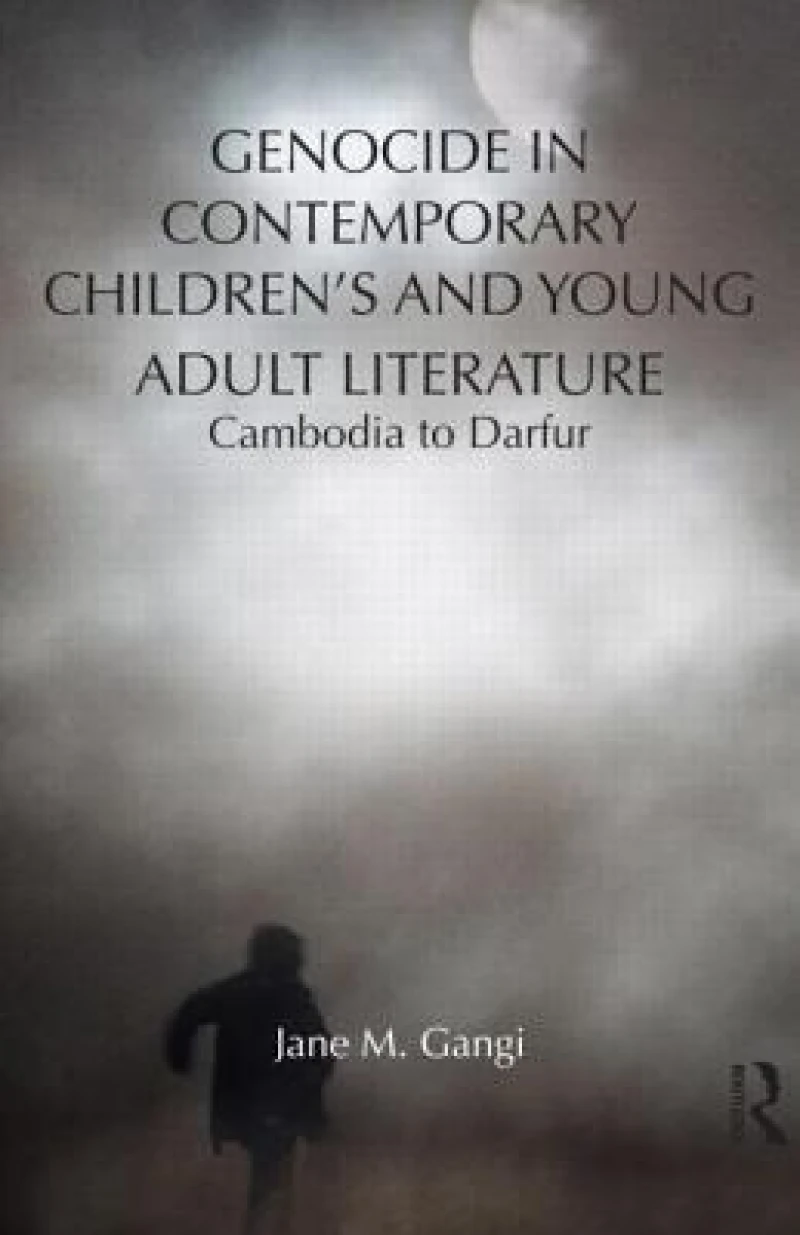
Genocide in Contemporary Children's and Young Adult Literature : Cambodia to Darfur
Book Details
Delivery Location
Delivery fee: Select location
This book studies children’s and young adult literature of genocide since 1945, considering issues of representation and using postcolonial theory to provide both literary analysis and implications for educating the young. Many of the authors visited accurately and authentically portray the genocide about which they write; others perpetuate stereotypes or otherwise distort, demean, or oversimplify. In this focus on young people’s literature of specific genocides, Gangi profiles and critiques works on the Cambodian genocide (1975-1979); the Iraqi Kurds (1988); the Maya of Guatemala (1981-1983); Bosnia, Kosovo, and Srebrenica (1990s); Rwanda (1994); and Darfur (2003-present). In addition to critical analysis, each chapter also provides historical background based on the work of prominent genocide scholars. To conduct research for the book, Gangi traveled to Bosnia, engaged in conversation with young people from Rwanda, and spoke with scholars who had traveled to or lived in Guatemala and Cambodia. This book analyses the ways contemporary children, typically ages ten and up, are engaged in the study of genocide, and addresses the ways in which child survivors who have witnessed genocide are helped by literature that mirrors their experiences.
This book studies children’s and young adult literature of genocide since 1945, considering issues of representation and using postcolonial theory to provide both literary analysis and implications for educating the young. Many of the authors visited accurately and authentically portray the genocide about which they write; others perpetuate stereotypes or otherwise distort, demean, or oversimplify. In this focus on young people’s literature of specific genocides, Gangi profiles and critiques works on the Cambodian genocide (1975-1979); the Iraqi Kurds (1988); the Maya of Guatemala (1981-1983); Bosnia, Kosovo, and Srebrenica (1990s); Rwanda (1994); and Darfur (2003-present). In addition to critical analysis, each chapter also provides historical background based on the work of prominent genocide scholars. To conduct research for the book, Gangi traveled to Bosnia, engaged in conversation with young people from Rwanda, and spoke with scholars who had traveled to or lived in Guatemala and Cambodia. This book analyses the ways contemporary children, typically ages ten and up, are engaged in the study of genocide, and addresses the ways in which child survivors who have witnessed genocide are helped by literature that mirrors their experiences.
Get Genocide in Contemporary Children's and Young Adult Literature by at the best price and quality guaranteed only at Werezi Africa's largest book ecommerce store. The book was published by Taylor & Francis Ltd and it has pages.

