

Geography Matters! : A Reader
Book Details
Format
Paperback / softback
ISBN-10
0521317088
ISBN-13
9780521317085
Publisher
Cambridge University Press
Imprint
Cambridge University Press
Country of Manufacture
GB
Country of Publication
GB
Publication Date
Nov 22nd, 1984
Print length
216 Pages
Weight
334 grams
Dimensions
22.80 x 15.40 x 1.30 cms
Product Classification:
Human geography
KSh 6,850.00
Currently unavailable
0 in stock
Delivery Location
Delivery fee: Select location
Secure
Quality
Fast
Space and nature have long been the concerns of human geography, bound up with a strong sense of the importance of place. Understanding how society changes entails understanding the geography of social change. In this new reader, the editors argue for a new way of looking at the relationship between society and its spatial organization, between society and nature, and between the interdependence and unique character of places. First, through a selection of material ranging from the changing geography of class cultures, gender relations, city structures, state power to the processes of international law, the readings demonstrate that neither space nor society can be understood independently of the other. Social change involves spatial change and spatial change affects social organization. The two sides of the relation mediate a geography of change. Second, a number of the articles explore the relation between society and nature, and demonstrate that that, too involves a continuous and changing interrelationship. Nature cannot be understood outside of its social interpretation and use; equally nature, the environment, has an impact upon the quality and future of our lives. Third, this collection presents an approach to the geography of place which has methodological implications for all those in social science who are concerned with the central problem of appreciating the of outcomes without losing sight of general processes of chance. To grasp the dynamic relation between society, space and nature is important not only for human geography, but for all the social sciences. Geography Matters! brings together a wide range of articles, from both geographers and non-geographers. It addresses a series of economic, political and cultural issues from a geographical angle that will put the social distinctiveness of place back on the agenda for all the social sciences.
Get Geography Matters! by Doreen Massey at the best price and quality guaranteed only at Werezi Africa's largest book ecommerce store. The book was published by Cambridge University Press and it has 216 pages.
Customers Who Bought This Also Bought

Migrations
KSh 5,450.00

Is a River Alive?
KSh 2,150.00
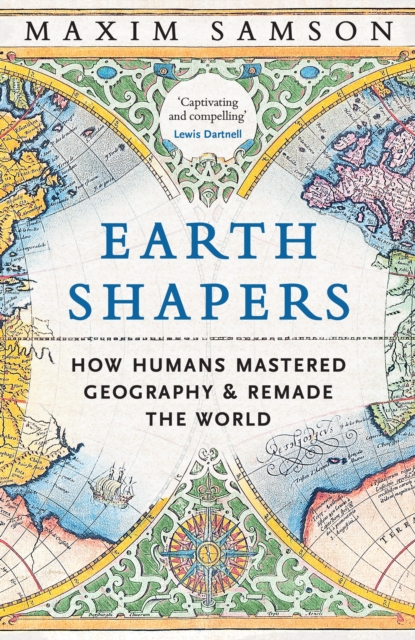
Earth Shapers
KSh 3,950.00

Is a River Alive?
KSh 4,500.00

Forgotten
KSh 2,000.00
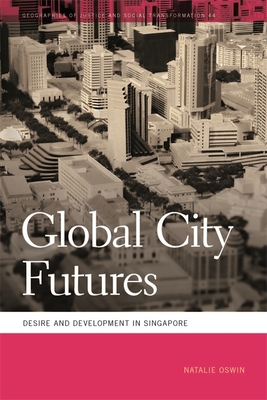
Global City Futures
KSh 22,600.00

Abolishing Poverty
KSh 26,700.00

Famine in Cambodia
KSh 26,700.00
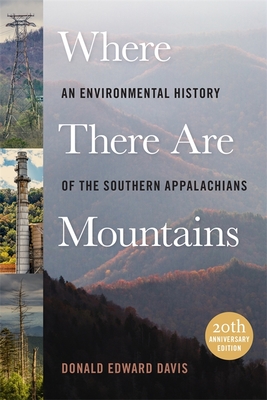
Where There Are Mountains
KSh 6,300.00
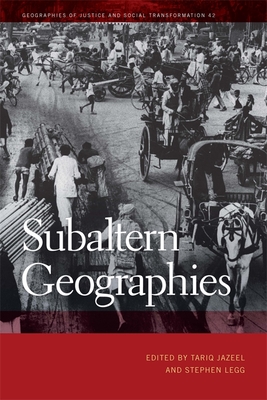
Subaltern Geographies
KSh 7,400.00
Planet Work – Rethinking Labor and Leisure in the Anthropocene
KSh 22,300.00

Migrant Justice in the Age of Removal – Rights, Law, and Resistance against Territory's Exclusions
KSh 19,050.00
