
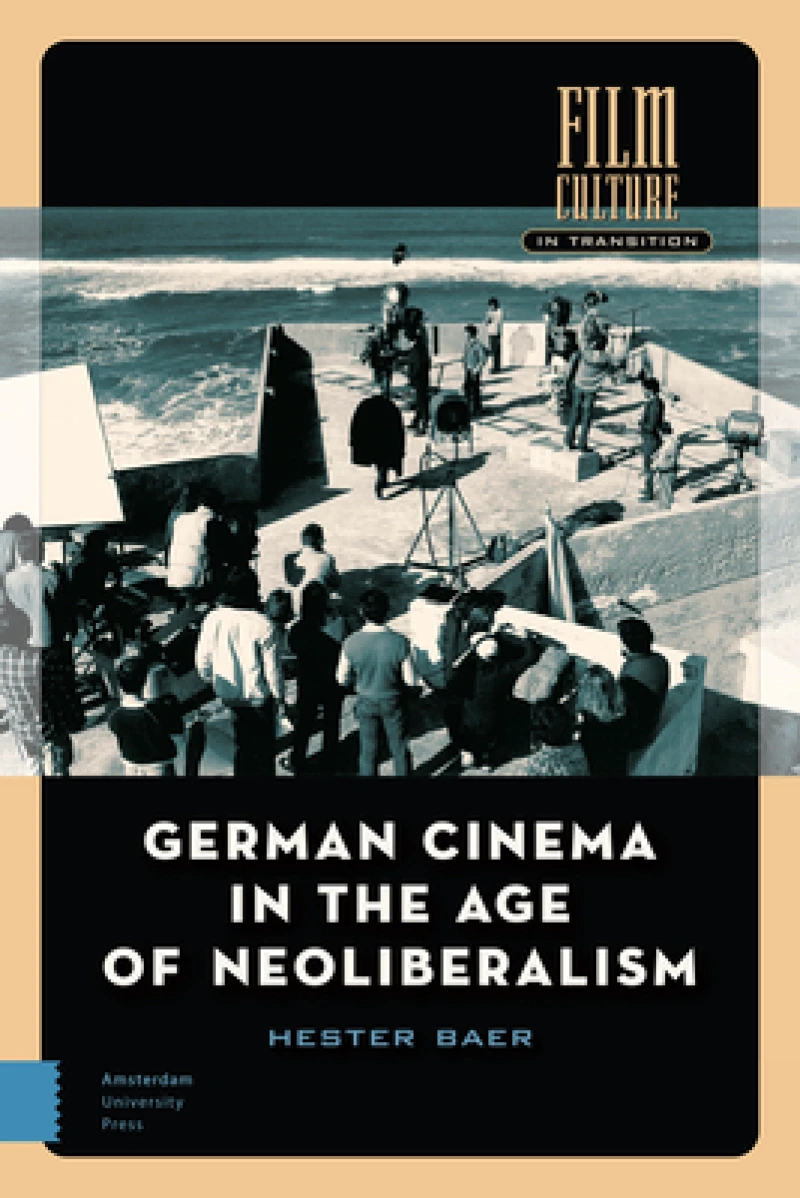
German Cinema in the Age of Neoliberalism
by
Hester Baer
Book Details
Format
Hardback or Cased Book
Book Series
Film Culture in Transition
ISBN-10
9463727337
ISBN-13
9789463727334
Publisher
Amsterdam University Press
Imprint
Amsterdam University Press
Country of Manufacture
GB
Country of Publication
GB
Publication Date
Mar 11th, 2021
Print length
320 Pages
Weight
632 grams
Dimensions
16.20 x 24.00 x 2.50 cms
Product Classification:
Films, cinemaFeminism & feminist theory
Ksh 26,300.00
Werezi Extended Catalogue
0 in stock
Delivery Location
Delivery fee: Select location
Secure
Quality
Fast
This book presents a new history of German film from 1980-2010, a period that witnessed rapid transformations, including intensified globalization, a restructured world economy, geopolitical realignment, and technological change, all of which have affected cinema in fundamental ways. Rethinking the conventional periodization of German film history, Baer posits 1980-rather than 1989-as a crucial turning point for German cinema's embrace of a new market orientation and move away from the state-sponsored film culture that characterized both DEFA and the New German Cinema. Reading films from East, West, and post-unification Germany together, Baer argues that contemporary German cinema is characterized most strongly by its origins in and responses to advanced capitalism. Informed by a feminist approach and in dialogue with prominent theories of contemporary film, the book places a special focus on how German films make visible the neoliberal recasting of gender and national identities around the new millennium.
This book presents a new history of German film from 1980-2010, a period that witnessed rapid transformations, including intensified globalization, a restructured world economy, geopolitical realignment, and technological change, all of which have affected cinema in fundamental ways. Rethinking the conventional periodization of German film history, Baer posits 1980-rather than 1989-as a crucial turning point for German cinema''s embrace of a new market orientation and move away from the state-sponsored film culture that characterized both DEFA and the New German Cinema. Reading films from East, West, and post-unification Germany together, Baer argues that contemporary German cinema is characterized most strongly by its origins in and responses to advanced capitalism. Informed by a feminist approach and in dialogue with prominent theories of contemporary film, the book places a special focus on how German films make visible the neoliberal recasting of gender and national identities around the new millennium.
Get German Cinema in the Age of Neoliberalism by at the best price and quality guaranteed only at Werezi Africa's largest book ecommerce store. The book was published by Amsterdam University Press and it has pages.

