

Germany without Bismarck : The Crisis of Government in the Second Reich, 1890 - 1900
Book Details
Format
Paperback / softback
ISBN-10
0520321979
ISBN-13
9780520321977
Publisher
University of California Press
Imprint
University of California Press
Country of Manufacture
GB
Country of Publication
GB
Publication Date
May 27th, 2022
Print length
304 Pages
Weight
363 grams
Dimensions
21.00 x 14.00 x 1.80 cms
Product Classification:
European history
KSh 7,550.00
Currently unavailable
0 in stock
Delivery Location
Delivery fee: Select location
Secure
Quality
Fast
Germany Without Bismarck: The Crisis of Government in the Second Reich, 1890-1900 meticulously explores the turbulent years following Otto von Bismarck's dismissal in 1890, a pivotal period of uncertainty and transformation for the German Empire. Bismarck's unparalleled dominance in shaping the Second Reich left a void that sparked speculation about Germany's political trajectory—some feared a return to federation, others anticipated a parliamentary republic or Bismarck's resurgence as a dictator. Yet, the Reich endured until 1918, navigating a seven-year crisis characterized by internal power struggles and an evolving relationship between the government and its people. This study delves deeply into two interconnected crises: the fragmentation of power within the executive branch, as Bismarck's successors attempted collective governance amidst fierce rivalries, and the broader tension between state authority and public consensus. By 1897, Kaiser Wilhelm II had asserted himself as the ultimate authority within the government, resolving the internal crisis but exacerbating discord with the legislature and society, steering Germany toward aggressive foreign policies and eventual diplomatic isolation. Drawing from newly accessible archival materials, including the Reich Chancellery files and private papers of leading statesmen, this book offers a comprehensive analysis of the political dynamics during this era. It sheds light on the delicate balance Bismarck maintained between conservative aristocracy and burgeoning industrial interests, a coalition that disintegrated under his successors. The work also underscores the long-term repercussions of Bismarck's "iron and blood" policies, which, though successful in unifying Germany, fostered a volatile nationalism that undermined the political education and moderation of its citizens. By placing Germany's internal crises in the context of Bismarck's legacy and the Kaiser's ambitions, this study illuminates the structural weaknesses and ideological divides that ultimately set the stage for the monarchy's downfall and Germany's descent into global conflict. This title is part of UC Press's Voices Revived program, which commemorates University of California Press’s mission to seek out and cultivate the brightest minds and give them voice, reach, and impact. Drawing on a backlist dating to 1893, Voices Revived makes high-quality, peer-reviewed scholarship accessible once again using print-on-demand technology. This title was originally published in 1967.
Get Germany without Bismarck by J. C. G. Rohl at the best price and quality guaranteed only at Werezi Africa's largest book ecommerce store. The book was published by University of California Press and it has 304 pages.
Customers Who Bought This Also Bought
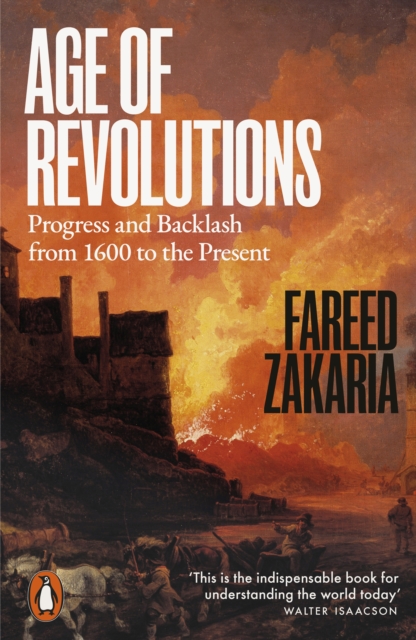
Age of Revolutions
KSh 2,350.00

Eichmann in Jerusalem
KSh 2,350.00

Trouble With Being Born
KSh 2,000.00

Hiroshima
KSh 2,000.00
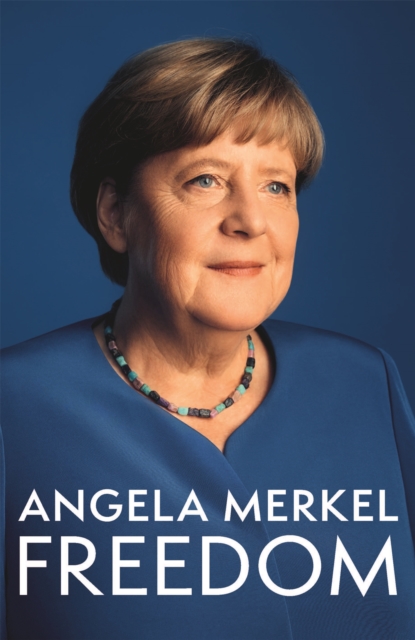
Freedom
KSh 6,300.00

Holocaust
KSh 2,700.00
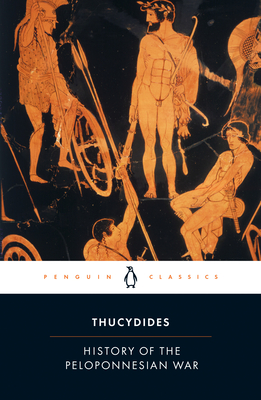
The History of the Peloponnesian War
KSh 2,700.00
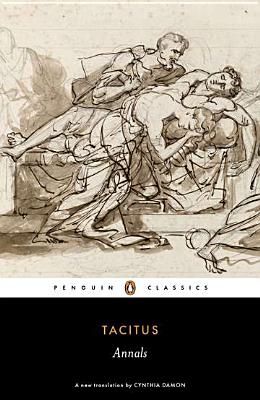
Annals
KSh 2,350.00
Greek Lives
KSh 2,150.00

Sleepwalkers
KSh 3,400.00

Napoleon The Great
KSh 3,600.00
Diary of a Young Girl
KSh 1,800.00

