Cart 0
Getting What We Need Ourselves
Click to zoom

Share this book

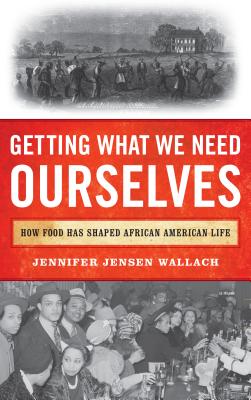
Getting What We Need Ourselves : How Food Has Shaped African American Life

Book Details

Format Hardback or Cased Book
ISBN-10 1442253908
ISBN-13 9781442253902
Publisher Bloomsbury Publishing Plc
Imprint Rowman & Littlefield Publishers
Country of Manufacture GB
Country of Publication GB
Publication Date Jun 1st, 2019
Print length 238 Pages
Weight 494 grams
Dimensions 24.00 x 15.90 x 1.90 cms
Ksh 6,300.00
Manufactured on Demand 0 in stock

Delivery Location

Delivery fee: Select location

Secure
Quality
Fast
This multi-generational story begins before the transatlantic slave trade in West Africa and ends with a discussion of contemporary African American vegans. Demonstrating that food has been both a tool of empowerment and a weapon of white supremacy, this study documents the symbolic power of food alongside an ongoing struggle for food access.
Beginning with an examination of West African food traditions during the era of the transatlantic slave trade and ending with a discussion of black vegan activism in the twenty-first century, Getting What We Need Ourselves: How Food Has Shaped African American Life tells a multi-faceted food story that goes beyond the well-known narrative of southern-derived “soul food” as the predominant form of black food expression. While this book considers the provenance and ongoing cultural resonance of emblematic foods such as greens and cornbread, it also examines the experiences of African Americans who never embraced such foods or who rejected them in search of new tastes and new symbols that were less directly tied to the past of plantation slavery. This book tells the story of generations of cooks and eaters who worked to create food habits that they variously considered sophisticated, economical, distinctly black, all-American, ethical, and healthful in the name of benefiting the black community. Significantly, it also chronicles the enduring struggle of impoverished eaters who worried far more about having enough to eat than about what particular food filled their plates. Finally, it considers the experiences of culinary laborers, whether enslaved, poorly paid domestic servants, tireless entrepreneurs, or food activists and intellectuals who used their knowledge and skills to feed and educate others, making a lasting imprint on American food culture in the process. Throughout African American history, food has both been used as a tool of empowerment and wielded as a weapon. Beginning during the era of slavery, African American food habits have often served as a powerful means of cementing the bonds of community through the creation of celebratory and affirming shared rituals. However, the system of white supremacy has frequently used food, or often the lack of it, as a means to attempt to control or subdue the black community. This study demonstrates that African American eaters who have worked to creative positive representations of black food practices have simultaneously had to confront an elaborate racist mythology about black culinary inferiority and difference. Keeping these tensions in mind, empty plates are as much a part of the history this book sets out to narrate as full ones, and positive characterizations of black foodways are consistently put into dialogue with distorted representations created by outsiders. Together these stories reveal a rich and complicated food history that defies simple stereotypes and generalizations.

Get Getting What We Need Ourselves by at the best price and quality guaranteed only at Werezi Africa's largest book ecommerce store. The book was published by Bloomsbury Publishing Plc and it has pages.

Mind, Body, & Spirit

Shopping Cart

Africa largest book store

Sub Total:
Ebooks

Digital Library
Coming Soon

Our digital collection is currently being curated to ensure the best possible reading experience on Werezi. We'll be launching our Ebooks platform shortly.