

Global Change, Regional Response : The New International Context of Development
Book Details
Format
Paperback / softback
ISBN-10
0521478065
ISBN-13
9780521478069
Publisher
Cambridge University Press
Imprint
Cambridge University Press
Country of Manufacture
GB
Country of Publication
GB
Publication Date
Sep 29th, 1995
Print length
432 Pages
Weight
570 grams
Dimensions
22.70 x 15.00 x 2.50 cms
Product Classification:
Development economics & emerging economiesDevelopment economics and emerging economies
KSh 7,950.00
Currently unavailable
0 in stock
Delivery Location
Delivery fee: Select location
Secure
Quality
Fast
This book offers a new perspective in studying contemporary development. Part I explores how post cold war development was altered in four third-world regions. Part II suggests how development options were molded by the dominant international power in each region. Part III provides a conceptual framework for analyzing regional performance.
This book offers a new perspective on the study of contemporary development. Part I explores how the end of the cold war, shifting relations among capitalist powers, globalization of trade and production, changing patterns of finance, and new ideological currents have altered the development context in four major third world regions. Part II suggests how different regions responded and development options were molded by the dominant international power in each region: the United States in Latin America, Japan in East Asia and Southeast Asia, and Europe with the international financial institutions in Africa. Part III provides a conceptual framework for analyzing regional performance: variation in economic capacity, trade opportunities, and access to finance shaped the development chances of each region, producing dynamism in Asia, slow growth in Latin America, and economic contraction in Sub-Saharan Africa during the 1980s and early 1990s. It also speculates about future trends based on various development models and international relationships.
Get Global Change, Regional Response by Barbara Stallings at the best price and quality guaranteed only at Werezi Africa's largest book ecommerce store. The book was published by Cambridge University Press and it has 432 pages.
Customers Who Bought This Also Bought

How Africa Works
KSh 3,050.00

How Africa Works
KSh 4,500.00

Rise Fall Great Powers
KSh 3,050.00
The Great Escape
KSh 2,900.00
The White Man''s Burden
KSh 2,900.00
We Are Not Able to Live in the Sky
KSh 3,400.00
Poor Economics
KSh 2,350.00
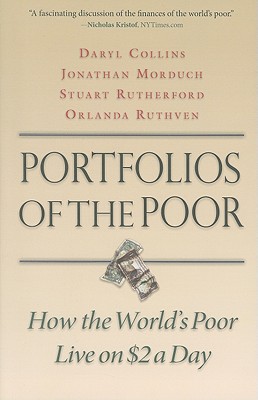
Portfolios of the Poor – How the World`s Poor Live on $2 a Day
KSh 5,400.00
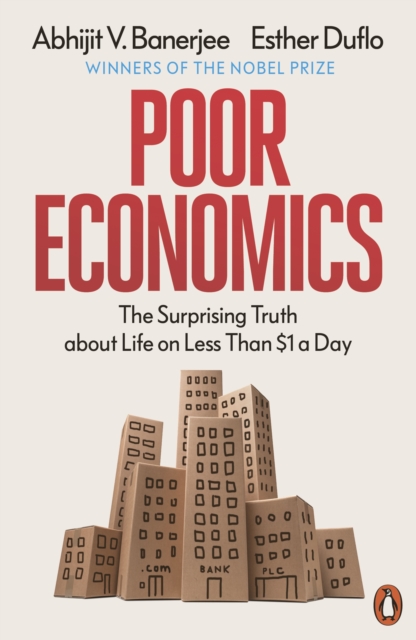
Poor Economics
KSh 2,000.00

The Bottom Billion
KSh 2,500.00
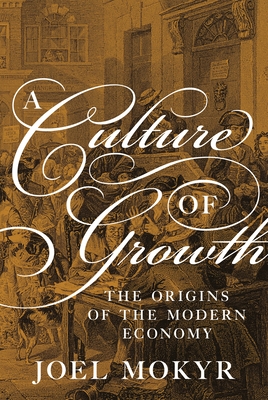
A Culture of Growth – The Origins of the Modern Economy
KSh 3,950.00
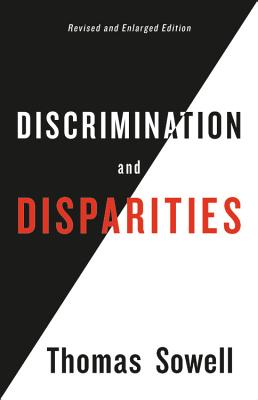
Discrimination and Disparities
KSh 5,400.00