Going to Hell to Get the Devil : The 1972 Charlotte Three Case and the Freedom Struggle in a Sunbelt City
Book Details
Format
Hardback
Book Series
Making the Modern South
ISBN-10
0807181757
ISBN-13
9780807181751
Publisher
Louisiana State University Press
Imprint
Louisiana State University Press
Country of Manufacture
GB
Country of Publication
GB
Publication Date
Mar 20th, 2024
Print length
304 Pages
Weight
272 grams
Dimensions
22.90 x 15.20 x 2.10 cms
Product Classification:
History of the AmericasPostwar 20th century history, from c 1945 to c 2000Civics and citizenshipHuman rightsHuman rights, civil rightsCivil rights & citizenshipHuman rights & civil liberties lawLaw: Human rights and civil libertiesCase lawSources of law: case law, precedentHistoryHistory of the Americas
KSh 5,750.00
Currently unavailable
0 in stock
Delivery Location
Delivery fee: Select location
Secure
Quality
Fast
The 1968 burning of the Lazy B Stables in Charlotte, North Carolina, attracted little notice beyond local media. By the mid-1970s, the fire had become the centre of a dubious arson case against a trio of Black civil rights activists. J. Christopher Schutz offers the first comprehensive examination of this controversial case and its outcome.
The 1968 burning of the Lazy B Stables in Charlotte, North Carolina, attracted little notice beyond coverage in local media. By the mid-1970s, however, the fire had become the center of a contentious and dubious arson case against a trio of Black civil rights activists, who became known as the "Charlotte Three." The charges against the men garnered interest from federal law enforcement agents, investigative journalists— including one who later earned a Pulitzer Prize for coverage of the trials—numerous New Left and Black Power activists, and Amnesty International, which declared the defendants "political prisoners." In Going to Hell to Get the Devil, J. Christopher Schutz offers the first comprehensive examination of this controversial case and its outcome.
In the 1960s and 1970s, Charlotte's leaders sought to portray their home as a placid, business-friendly, and racially moderate community. When New Left and Black Power activists threatened that stability, city leaders employed a variety of means to silence them, including the use of law enforcement against African Americans they deemed too zealous. In the Charlotte Three case, prosecutors paid prisoners for testimony against the Black activists on trial, resulting in their convictions with lengthy prison sentences. The unwanted publicity surrounding the case of the Charlotte Three became a critical pivot point in the Queen City's post–World War II trajectory.
Going to Hell to Get the Devil tells more than the story of an arson case; it also tells the story of the South's future, as the fate of the Charlotte Three became emblematic of the decline of the African American freedom struggle and the causes it championed.
In the 1960s and 1970s, Charlotte's leaders sought to portray their home as a placid, business-friendly, and racially moderate community. When New Left and Black Power activists threatened that stability, city leaders employed a variety of means to silence them, including the use of law enforcement against African Americans they deemed too zealous. In the Charlotte Three case, prosecutors paid prisoners for testimony against the Black activists on trial, resulting in their convictions with lengthy prison sentences. The unwanted publicity surrounding the case of the Charlotte Three became a critical pivot point in the Queen City's post–World War II trajectory.
Going to Hell to Get the Devil tells more than the story of an arson case; it also tells the story of the South's future, as the fate of the Charlotte Three became emblematic of the decline of the African American freedom struggle and the causes it championed.
Get Going to Hell to Get the Devil by J. Christopher Schutz at the best price and quality guaranteed only at Werezi Africa's largest book ecommerce store. The book was published by Louisiana State University Press and it has 304 pages.
Customers Who Bought This Also Bought
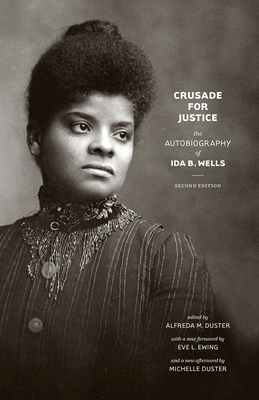
Crusade for Justice – The Autobiography of Ida B. Wells, Second Edition
KSh 4,050.00

Killers of the Flower Moon
KSh 2,000.00

Warmth of Other Suns
KSh 3,050.00

Frederick Douglass
KSh 3,350.00

107 Days
KSh 4,500.00

Second Treatise of Government – Norton Library
KSh 1,600.00

Tuesdays With Morrie
KSh 2,000.00
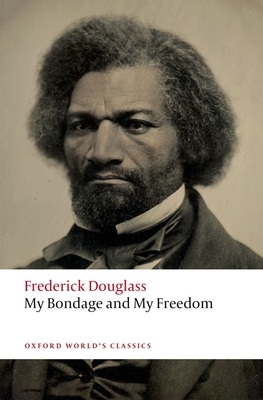
My Bondage and My Freedom
KSh 1,600.00

Hidden Figures
KSh 2,000.00

America, América
KSh 3,650.00

Holding the Line
KSh 2,000.00

Nuclear Folly
KSh 3,050.00