
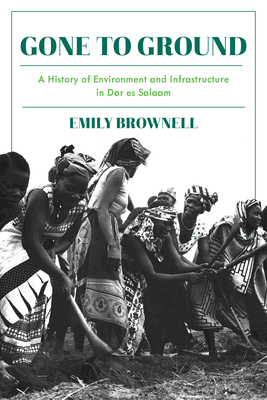
Gone to Ground : A History of Environment and Infrastructure in Dar es Salaam
Book Details
Format
Hardback
Book Series
Intersections
ISBN-10
0822946114
ISBN-13
9780822946113
Publisher
University of Pittsburgh Press
Imprint
University of Pittsburgh Press
Country of Manufacture
US
Country of Publication
GB
Publication Date
Mar 10th, 2020
Print length
278 Pages
Weight
528 grams
Dimensions
16.10 x 23.60 x 2.80 cms
Product Classification:
The environment
KSh 8,850.00
Temporarily out of stock, due soon
0 in stock
Delivery Location
Delivery fee: Select location
Secure
Quality
Fast
The story of Dar es Salaam's environment and infrastructure.
Finalist, 2021 ASA Bethwell A. Ogot Book Prize
Gone to Ground is an investigation into the material and political forces that transformed the cityscape of Dar es Salaam, Tanzania in the 1970s and early 1980s. It is both the story of a particular city and the history of a global moment of massive urban transformation from the perspective of those at the center of this shift. Built around an archive of newspapers, oral history interviews, planning documents, and a broad compendium of development reports, Emily Brownell writes about how urbanites navigated the state?s anti-urban planning policies along with the city?s fracturing infrastructures and profound shortages of staple goods to shape Dar?s environment. They did so most frequently by ?going to ground? in the urban periphery, orienting their lives to the city?s outskirts where they could plant small farms, find building materials, produce charcoal, and escape the state?s policing of urban space.
Taking seriously as historical subject the daily hurdles of families to find housing, food, transportation, and space in the city, these quotidian concerns are drawn into conversation with broader national and transnational anxieties about the oil crisis, resource shortages, infrastructure, and African socialism. In bringing these concerns together into the same frame, Gone to Ground considers how the material and political anxieties of the era were made manifest in debates about building materials, imported technologies, urban agriculture, energy use, and who defines living and laboring in the city.
Gone to Ground is an investigation into the material and political forces that transformed the cityscape of Dar es Salaam, Tanzania in the 1970s and early 1980s. It is both the story of a particular city and the history of a global moment of massive urban transformation from the perspective of those at the center of this shift. Built around an archive of newspapers, oral history interviews, planning documents, and a broad compendium of development reports, Emily Brownell writes about how urbanites navigated the state?s anti-urban planning policies along with the city?s fracturing infrastructures and profound shortages of staple goods to shape Dar?s environment. They did so most frequently by ?going to ground? in the urban periphery, orienting their lives to the city?s outskirts where they could plant small farms, find building materials, produce charcoal, and escape the state?s policing of urban space.
Taking seriously as historical subject the daily hurdles of families to find housing, food, transportation, and space in the city, these quotidian concerns are drawn into conversation with broader national and transnational anxieties about the oil crisis, resource shortages, infrastructure, and African socialism. In bringing these concerns together into the same frame, Gone to Ground considers how the material and political anxieties of the era were made manifest in debates about building materials, imported technologies, urban agriculture, energy use, and who defines living and laboring in the city.
Get Gone to Ground by Emily Brownell at the best price and quality guaranteed only at Werezi Africa's largest book ecommerce store. The book was published by University of Pittsburgh Press and it has 278 pages.
Customers Who Bought This Also Bought
Insect Crisis
KSh 2,350.00

On Freedom
KSh 2,350.00

Genius of Trees
KSh 4,500.00
Debatable Land
KSh 3,950.00

Genius of Trees
KSh 2,350.00

Greyhound
KSh 2,700.00

RSPB What''s that Bird?
KSh 1,800.00

In Kiltumper
KSh 2,350.00
Ethics for the Coming Storm
KSh 4,250.00
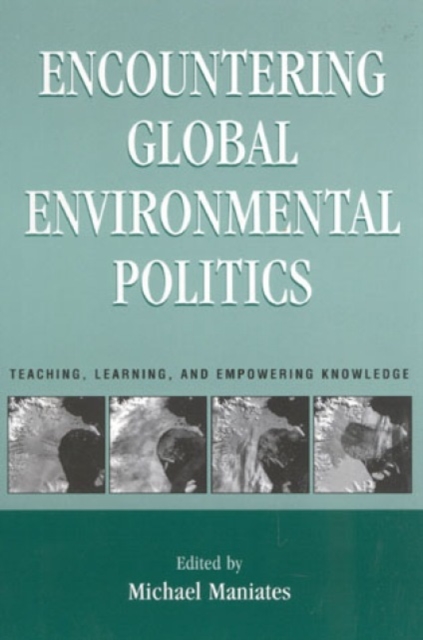
Encountering Global Environmental Politics
KSh 15,300.00

Hot, Flat, and Crowded
KSh 2,700.00
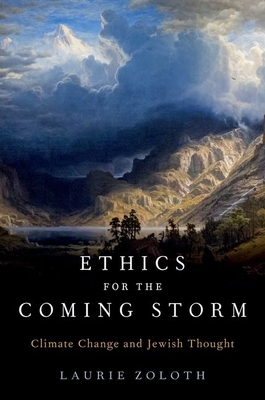
Ethics for the Coming Storm
KSh 17,300.00
