
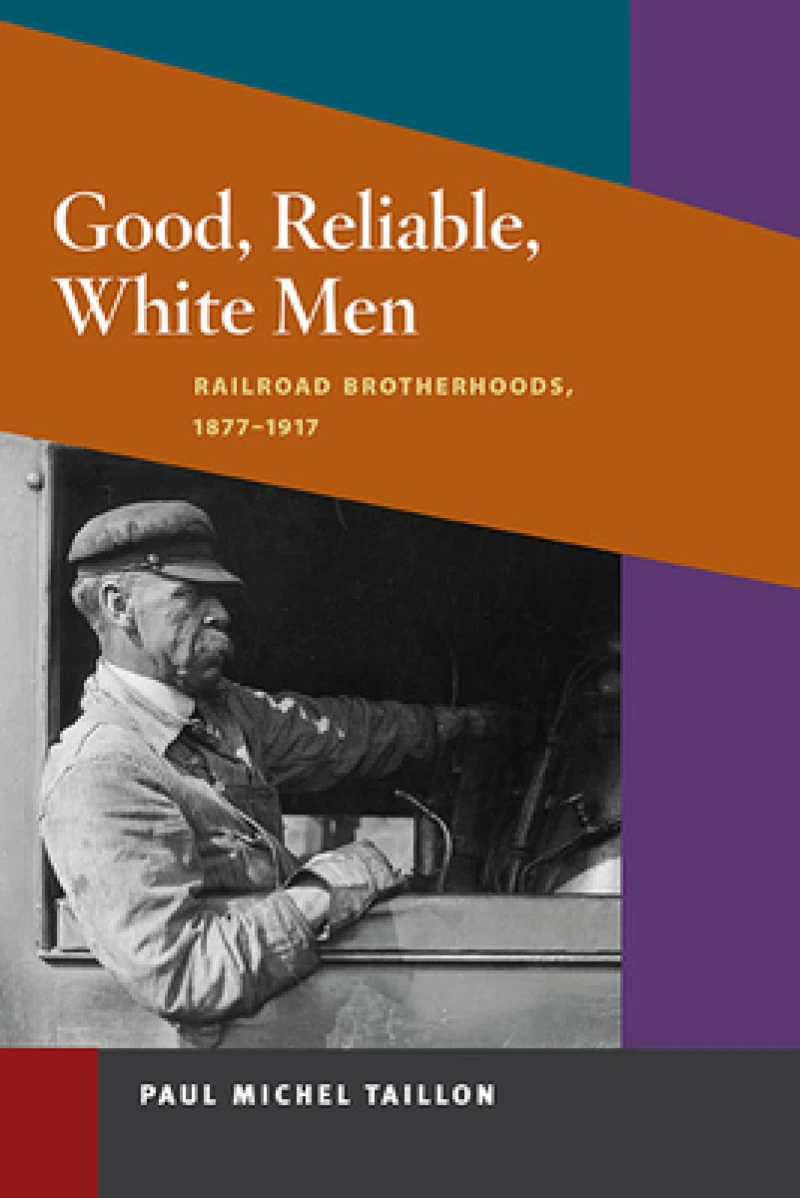
Good, Reliable, White Men : Railroad Brotherhoods, 1877-1917
Book Details
Format
Paperback / Softback
Book Series
Working Class in American History
ISBN-10
0252076788
ISBN-13
9780252076787
Publisher
University of Illinois Press
Imprint
University of Illinois Press
Country of Manufacture
US
Country of Publication
GB
Publication Date
Oct 27th, 2009
Print length
296 Pages
Weight
450 grams
Dimensions
22.60 x 15.30 x 2.30 cms
Ksh 3,800.00
Werezi Extended Catalogue
0 in stock
Delivery Location
Delivery fee: Select location
Secure
Quality
Fast
Railroad brotherhoods' dynamic impact on American labor relations and national politics
&&LI&& Normal 0 false false false MicrosoftInternetExplorer4 /* Style Definitions */ table.MsoNormalTable {mso-style-name:"Table Normal"; mso-tstyle-rowband-size:0; mso-tstyle-colband-size:0; mso-style-noshow:yes; mso-style-parent:"; mso-padding-alt:0in 5.4pt 0in 5.4pt; mso-para-margin:0in; mso-para-margin-bottom:.0001pt; mso-pagination:widow-orphan; font-size:10.0pt; font-family:"Times New Roman"; mso-ansi-language:#0400; mso-fareast-language:#0400; mso-bidi-language:#0400;} This engaging study provides an account of the independent railroad brotherhoods from the period of their formation in the 1860s and '70s to the consolidation of their power on the eve of World War I. By commanding the attention of U.S. presidents and establishing the eight-hour workday, railroad brotherhoods employed responsible trade unionism to their advantage. Paul Michel Taillon focuses on the Brotherhood of Locomotive Engineers, the Order of Railway Conductors, the Brotherhood of Locomotive Firemen, and the Brotherhood of Railroad Trainmen to investigate the impact of these unions on early twentieth-century politics and society. Notorious for their conservative bent and exclusiveness based on race and trade, the unions also demonstrated a capacity for change and a particular acumen for negotiating in political and public circles, all but guaranteeing brotherhood survival. In highlighting the successes and failures of these railroad unions, Taillon shows how they employed capitalist principles; how they were influenced by considerations of gender, race, and class; and how they prompted momentous debates about the proper relationships among government, private enterprise, labor, and management.
Get Good, Reliable, White Men by at the best price and quality guaranteed only at Werezi Africa's largest book ecommerce store. The book was published by University of Illinois Press and it has pages.

