
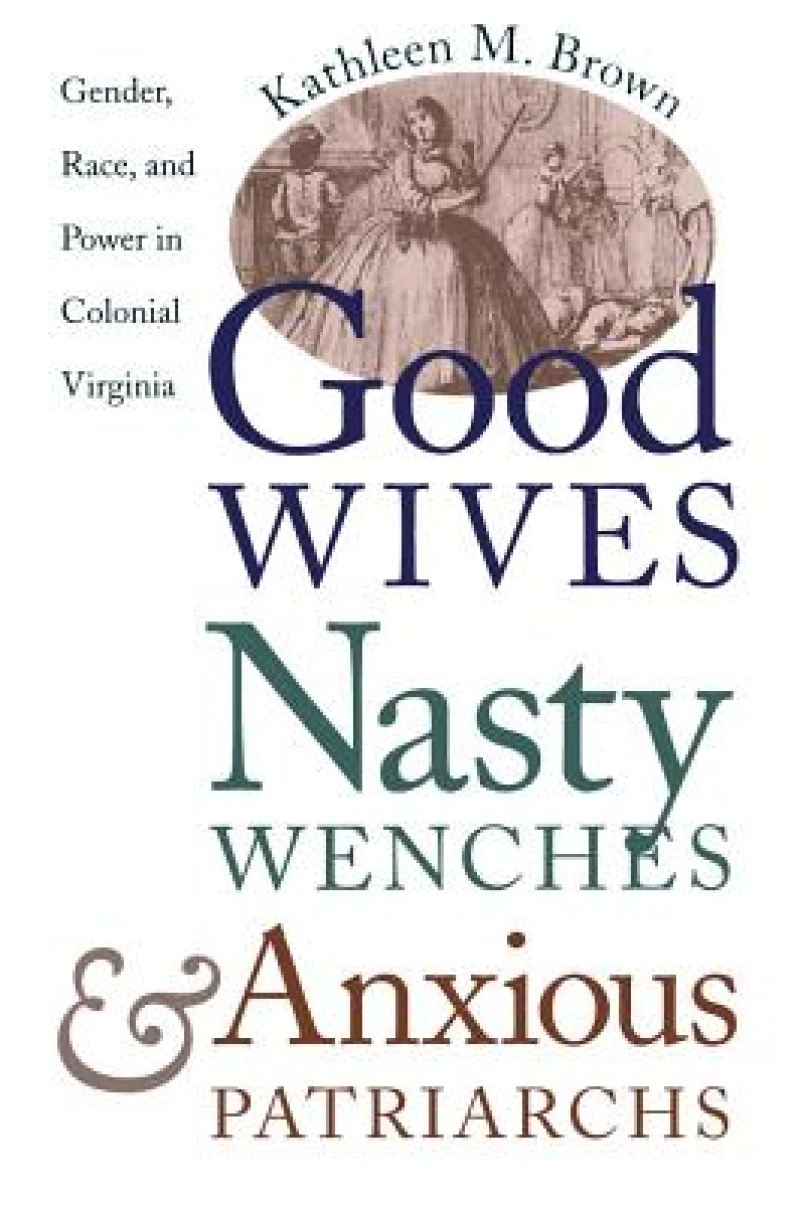
Good Wives, Nasty Wenches, and Anxious Patriarchs : Gender, Race, and Power in Colonial Virginia
New
Book Details
Format
Paperback / Softback
ISBN-10
0807846236
ISBN-13
9780807846230
Edition
New
Publisher
The University of North Carolina Press
Imprint
The University of North Carolina Press
Country of Manufacture
US
Country of Publication
GB
Publication Date
Nov 30th, 1996
Print length
512 Pages
Weight
762 grams
Dimensions
15.60 x 23.50 x 3.20 cms
Product Classification:
History of the AmericasEarly modern history: c 1450/1500 to c 1700Slavery & abolition of slaverySocial discrimination and social justiceGender studies, gender groupsEthnic studies / EthnicitySocial discrimination & inequalityGender studies, gender groupsBlack & Asian studiesHistoryHistory of the AmericasSlavery, enslaved persons and abolition of slavery
Ksh 6,300.00
Werezi Extended Catalogue
0 in stock
Delivery Location
Delivery fee: Select location
Secure
Quality
Fast
The origins of racism and slavery in British North America from the perspective of gender are examined in this book. The author argues that gender was both a basic social relationship and a model for other social hierarchies, and assesses its role in the construction of racism in Virginia.
Kathleen Brown examines the origins of racism and slavery in British North America from the perspective of gender. Both a basic social relationship and a model for other social hierarchies, gender helped determine the construction of racial categories and the institution of slavery in Virginia. But the rise of racial slavery also transformed gender relations, including ideals of masculinity. In response to the presence of Indians, the shortage of labor, and the insecurity of social rank, Virginia''s colonial government tried to reinforce its authority by regulating the labor and sexuality of English servants and by making legal distinctions between English and African women. This practice, along with making slavery hereditary through the mother, contributed to the cultural shift whereby women of African descent assumed from lower-class English women both the burden of fieldwork and the stigma of moral corruption. Brown''s analysis extends through Bacon''s Rebellion in 1676, an important juncture in consolidating the colony''s white male public culture, and into the eighteenth century. She demonstrates that, despite elite planters'' dominance, wives, children, free people of color, and enslaved men and women continued to influence the meaning of race and class in colonial Virginia. |Based on the perspective of gender, this compelling study examines the origins of racism and slavery in colonial Virginia from 1676 to the eighteenth century. According to Brown, gender is both a basic social relationship and a model for social hierarchies and it therefore helped determine the construction of racial categories and the institution of slavery legally, politically, as well as socially.
Get Good Wives, Nasty Wenches, and Anxious Patriarchs by at the best price and quality guaranteed only at Werezi Africa's largest book ecommerce store. The book was published by The University of North Carolina Press and it has pages.

