Book Details
Format
Paperback / Softback
ISBN-10
1590172531
ISBN-13
9781590172537
Edition
Main
Publisher
New York Review Books
Imprint
NYRB Classics
Country of Manufacture
US
Country of Publication
GB
Publication Date
Sep 16th, 2008
Print length
312 Pages
Weight
336 grams
Dimensions
20.30 x 13.70 x 1.80 cms
Product Classification:
Plays, playscriptsPlays, playscripts, drama
Ksh 3,050.00
Re-Printing
Delivery in 7 days
4 copies in stock
Delivery Location
Delivery fee: Select location
Delivery in 7 days
Secure
Quality
Fast
Now in paperback.
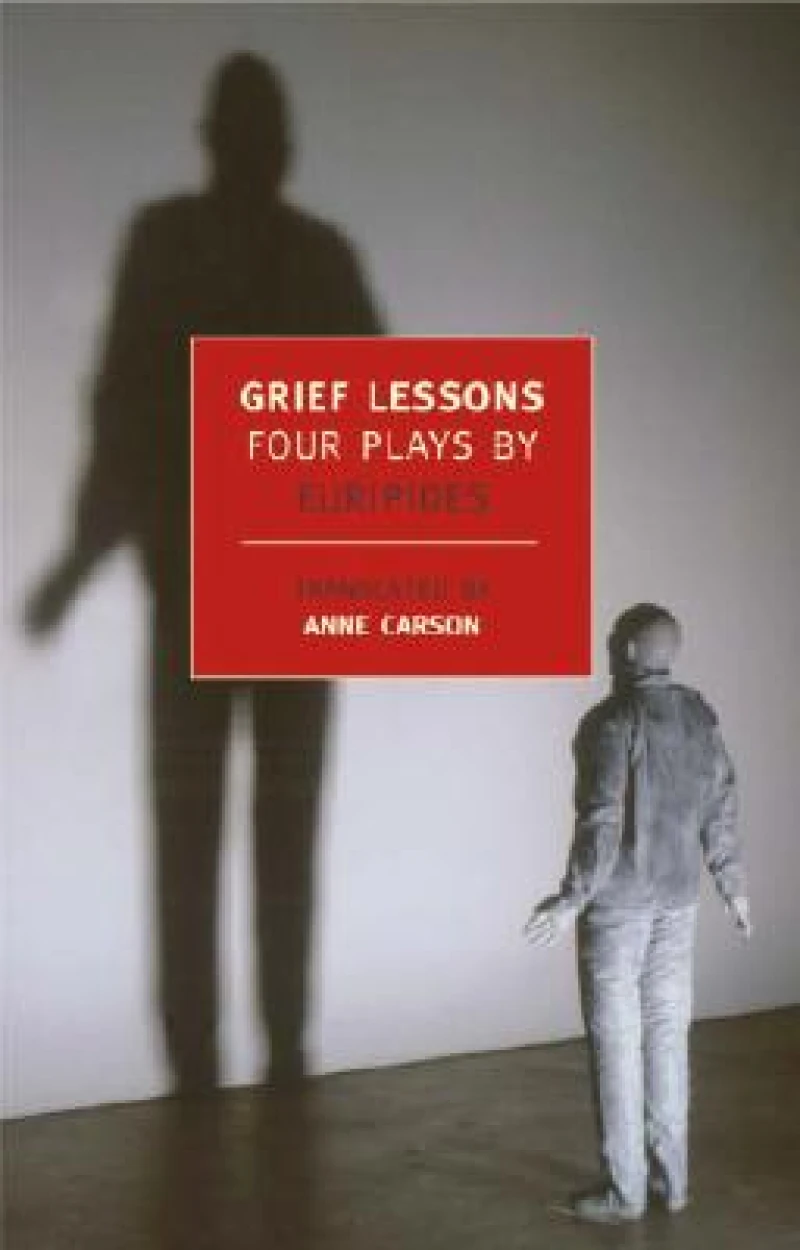
Euripides, the last of the three great tragedians of ancient Athens, reached the height of his renown during the disastrous Peloponnesian War, when democratic Athens was brought down by its own outsized ambitions. “Euripides,” the classicist Bernard Knox has written, “was born never to live in peace with himself and to prevent the rest of mankind from doing so.” His plays were shockers: he unmasked heroes, revealing them as foolish and savage, and he wrote about the powerless–women and children, slaves and barbarians–for whom tragedy was not so much exceptional as unending. Euripides’ plays rarely won first prize in the great democratic competitions of ancient Athens, but their combustible mixture of realism and extremism fascinated audiences throughout the Greek world. In the last days of the Peloponnesian War, Athenian prisoners held captive in far-off Sicily were said to have won their freedom by reciting snatches of Euripides’ latest tragedies.
Four of those tragedies are presented here in new translations by the contemporary poet and classicist Anne Carson. They are Herakles, in which the hero swaggers home to destroy his own family; Hekabe, set after the Trojan War, in which Hektor’s widow takes vengeance on her Greek captors; Hippolytos, about love and the horror of love; and the strange tragic-comedy fable Alkestis, which tells of a husband who arranges for his wife to die in his place. The volume also contains brief introductions by Carson to each of the plays along with two remarkable framing essays: “Tragedy: A Curious Art Form” and “Why I Wrote Two Plays About Phaidra.”
Euripides, the last of the three great tragedians of ancient Athens, reached the height of his renown during the disastrous Peloponnesian War, when democratic Athens was brought down by its own outsized ambitions. “Euripides,” the classicist Bernard Knox has written, “was born never to live in peace with himself and to prevent the rest of mankind from doing so.” His plays were shockers: he unmasked heroes, revealing them as foolish and savage, and he wrote about the powerless–women and children, slaves and barbarians–for whom tragedy was not so much exceptional as unending. Euripides’ plays rarely won first prize in the great democratic competitions of ancient Athens, but their combustible mixture of realism and extremism fascinated audiences throughout the Greek world. In the last days of the Peloponnesian War, Athenian prisoners held captive in far-off Sicily were said to have won their freedom by reciting snatches of Euripides’ latest tragedies.
Four of those tragedies are presented here in new translations by the contemporary poet and classicist Anne Carson. They are Herakles, in which the hero swaggers home to destroy his own family; Hekabe, set after the Trojan War, in which Hektor’s widow takes vengeance on her Greek captors; Hippolytos, about love and the horror of love; and the strange tragic-comedy fable Alkestis, which tells of a husband who arranges for his wife to die in his place. The volume also contains brief introductions by Carson to each of the plays along with two remarkable framing essays: “Tragedy: A Curious Art Form” and “Why I Wrote Two Plays About Phaidra.”
Get Grief Lessons by at the best price and quality guaranteed only at Werezi Africa's largest book ecommerce store. The book was published by New York Review Books and it has pages.