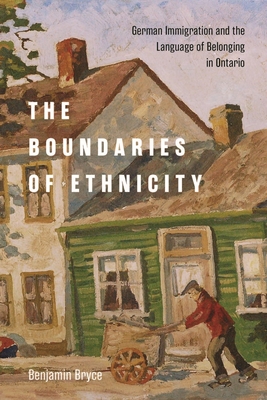
Grounds for Exclusion : Race, Health, and Disability in Argentine Immigration Policy, 1876–1932
Book Details
Format
Paperback / softback
Book Series
InterConnections: the Global Twentieth Century
ISBN-10
1469695359
ISBN-13
9781469695358
Publisher
The University of North Carolina Press
Imprint
The University of North Carolina Press
Country of Manufacture
GB
Country of Publication
GB
Publication Date
May 19th, 2026
Print length
266 Pages
Dimensions
23.50 x 2.50 x 15.50 cms
Product Classification:
Caribbean islandsLatin America – Mexico, Central America, South AmericaMigration, immigration and emigrationDisability: social aspectsHealth, illness or addiction: social aspectsEthnic studies / EthnicityDisability: social aspectsIllness & addiction: social aspectsMigration, immigration & emigrationEthnic studies
KSh 4,850.00
Currently unavailable
0 in stock
Delivery Location
Delivery fee: Select location
Secure
Quality
Fast
Tracing the attempts of European, Asian, and Middle Eastern migrants to enter Argentina, Benjamin Bryce shows how the modern state worked to privilege white supremacy and expansion over diversity and magnanimity.
Argentina has been one the most important destinations for international labor migrants in the modern world. But while it was long imagined as a nation of immigrants, a closer look at its history and policies reveals that the country’s doors were only open to certain people. In the late nineteenth and early twentieth centuries, officials developed a long list of grounds for exclusion that deterred many people from ever boarding a ship to the country. Travelers who did go to Argentina were frequently barred at ports of entry on account of race, health, or disability.
Tracing the attempts of European, Asian, and Middle Eastern migrants to enter Argentina, Benjamin Bryce shows how the modern state worked to privilege white supremacy and expansion over diversity and magnanimity. As Argentine officials, politicians, and influential thinkers envisioned their country’s future, they tried to define the ideal citizens who would live, work, vote, and reproduce in Argentina—and the characteristics of those who would not. Anyone deemed unhealthy or disabled was labeled unproductive or a potential burden on the state. Race often shaped notions of health and productivity and therefore determined who was welcome. Bryce’s thorough analysis of immigration exclusions reconceptualizes Argentina’s long-accepted reputation as a haven for newcomers.
Tracing the attempts of European, Asian, and Middle Eastern migrants to enter Argentina, Benjamin Bryce shows how the modern state worked to privilege white supremacy and expansion over diversity and magnanimity. As Argentine officials, politicians, and influential thinkers envisioned their country’s future, they tried to define the ideal citizens who would live, work, vote, and reproduce in Argentina—and the characteristics of those who would not. Anyone deemed unhealthy or disabled was labeled unproductive or a potential burden on the state. Race often shaped notions of health and productivity and therefore determined who was welcome. Bryce’s thorough analysis of immigration exclusions reconceptualizes Argentina’s long-accepted reputation as a haven for newcomers.
Get Grounds for Exclusion by Benjamin Bryce at the best price and quality guaranteed only at Werezi Africa's largest book ecommerce store. The book was published by The University of North Carolina Press and it has 266 pages.
Customers Who Bought This Also Bought

Hunchback
KSh 2,000.00

No One Is Talking About This
KSh 1,800.00

Plough Quarterly No. 30 – Made Perfect
KSh 1,700.00

brother. do. you. love. me.
KSh 2,000.00
The Behavior of Social Justice
KSh 11,250.00

Autism and Worship
KSh 6,500.00

Invisible Sisters
KSh 3,400.00

Intersectional Disability
KSh 30,950.00

Intersectional Disability
KSh 7,900.00

Disability in Ptolemaic Egypt and the Hellenistic World
KSh 8,650.00
Disability and Social Work Education
KSh 11,000.00

Freud''s Jaw and Other Lost Objects
KSh 4,850.00