
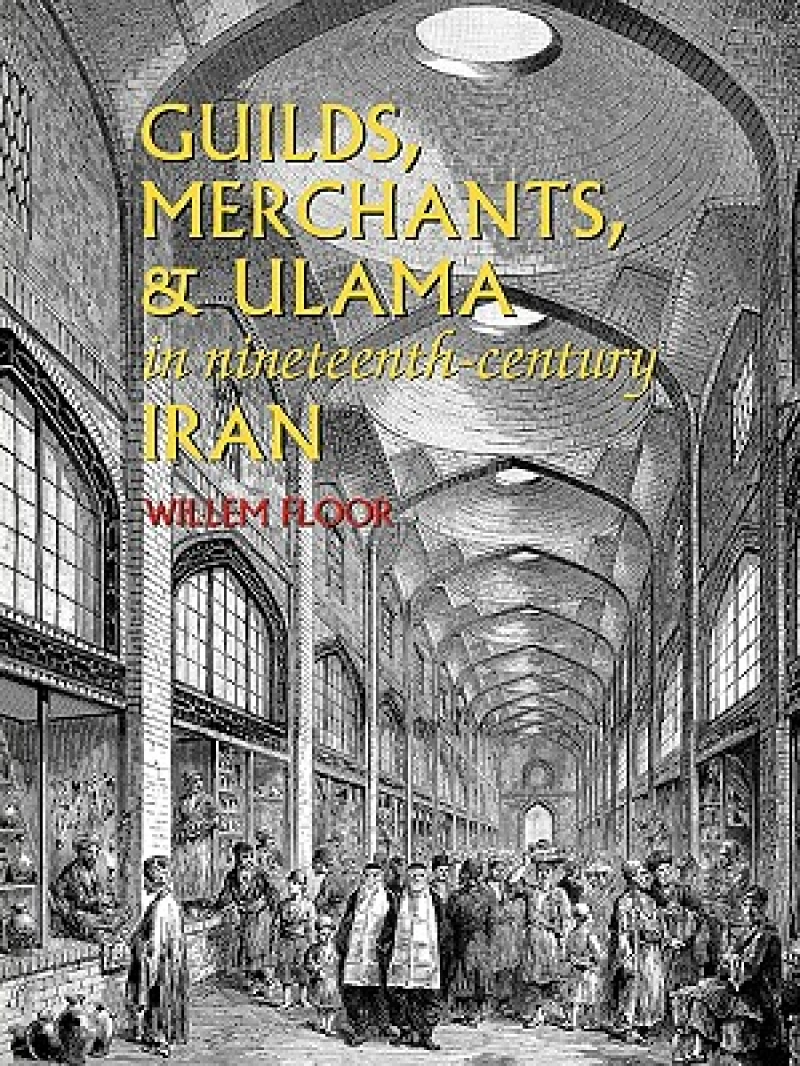
Guilds, Merchants & Ulama in Nineteenth-Century Iran
Book Details
Format
Paperback / Softback
ISBN-10
1933823313
ISBN-13
9781933823317
Publisher
Mage Publishers
Imprint
Mage Publishers
Country of Manufacture
US
Country of Publication
GB
Publication Date
Apr 6th, 2009
Print length
264 Pages
Weight
676 grams
Dimensions
27.70 x 21.00 x 1.60 cms
Product Classification:
Middle Eastern historyModern history to 20th century: c 1700 to c 1900
Ksh 7,550.00
Werezi Extended Catalogue
0 in stock
Delivery Location
Delivery fee: Select location
Secure
Quality
Fast
Merchants and bankers managed much of nineteenth-century Iran''s economy and finances. The ulama -- clerical leaders -- who considered themselves responsible for the spiritual welfare of their flock also played an important economic role, in particular, through management of religious endowments. Numerically, however, the most important group was that of the traders and craftsmen, who were organised into guilds and who formed thirty to fifty percent of the urban population. Finally, there were the unskilled, mostly seasonal, labourers. This book analyses the major functions and characteristics of these groups, and discusses how they each coped with the pressures of the world market to which Iran was increasingly exposed and which resulted in the disappearance of jobs reducing Iran''s economic and political independence. After 1870, Iran''s economic situation was aggravated by an influx of peasants into the main cities significantly increasing the size of permanent unskilled labour in these cities. Guilds only provided some measure of social and economic benefits and protection to its members but could not prevent major downsizing, which is detailed in a contemporary report included here in translation. Meanwhile, both the merchants and the ulama demanded government action to better protect the country''s economy and its independence. To make a bigger fist, the ulama, merchants and reformists mobilised the guilds to support their political ends. As such, the guilds provided the force that powered the political events, which resulted in the Iranian Constitutional Revolution in 1906. The ulama''s interference in economic life only made matters worse. They had no grasp of economics, beyond stating that people should not be greedy. And the guilds, despite their visible role during the 1905-06 events, found themselves used, and discarded when they were no longer needed. This created the parameters for major structural change to finally take place after 1925. The book provides a detailed analysis of primary source references essential for a better understanding of the socio-economic conditions that led to Iran''s push toward modernisation in the first quarter of the twentieth century.
Get Guilds, Merchants & Ulama in Nineteenth-Century Iran by at the best price and quality guaranteed only at Werezi Africa's largest book ecommerce store. The book was published by Mage Publishers and it has pages.

