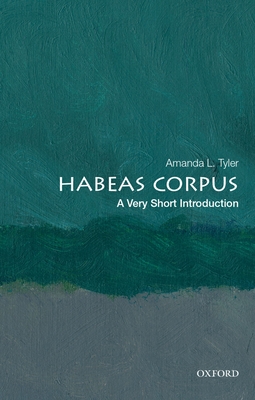
Habeas Corpus : A Very Short Introduction
Book Details
Format
Paperback / softback
Book Series
Very Short Introductions
ISBN-10
0190918985
ISBN-13
9780190918989
Publisher
Oxford University Press Inc
Imprint
Oxford University Press Inc
Country of Manufacture
US
Country of Publication
GB
Publication Date
May 27th, 2021
Print length
184 Pages
Weight
136 grams
Dimensions
11.20 x 17.30 x 2.20 cms
Product Classification:
16th century, c 1500 to c 159917th century, c 1600 to c 1699General & world historyPolitics & governmentPolitics and governmentLaw & societyLaw and society, sociology of lawInternational lawHuman rights & civil liberties lawLaw: Human rights and civil libertiesGeneral and world history
KSh 1,800.00
Werezi Extended Catalogue
Delivery in 12 days
3 copies in stock
Delivery Location
Delivery fee: Select location
Delivery in 12 days
Secure
Quality
Fast
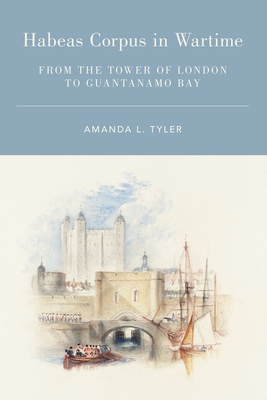
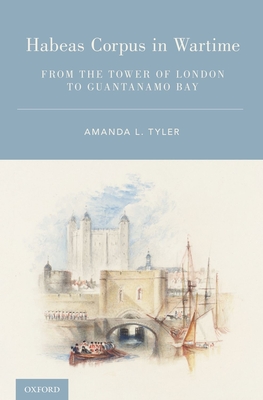
Legal scholar Amanda L. Tyler discusses the history and future of habeas corpus in America and around the world. The concept of habeas corpus--literally, to receive and hold the body--empowers courts to protect the right of prisoners to know the basis on which they are being held by the government and grant prisoners their freedom when they are held unlawfully. It is no wonder that habeas corpus has long been considered essential to freedom. For nearly eight hundred years, the writ of habeas corpus has limited the executive in the Anglo-American legal tradition from imprisoning citizens and subjects with impunity. Writing in the eighteenth century, the widely influential English jurist and commentator William Blackstone declared the writ a "bulwark" of personal liberty. Across the Atlantic, in the leadup to the American Revolution, the Continental Congress declared that the habeas privilege and the right to trial by jury were among the most important rights in a free society. This Very Short Introduction chronicles the storied writ of habeas corpus and how its common law and statutory origins spread from England throughout the British Empire and beyond, witnessing its use today around the world in nations as varied as Canada, Israel, India, and South Korea. Beginning with the English origins of the writ, the book traces its historical development both as a part of the common law and as a parliamentary creation born out of the English Habeas Corpus Act of 1679, a statute that so dramatically limited the executive''s power to detain that Blackstone called it no less than a "second Magna Carta." The book then takes the story forward to explore how the writ has functioned in the centuries since, including its controversial suspension by President Abraham Lincoln during the Civil War. It also analyzes the major role habeas corpus has played in such issues as the World War II incarceration of Japanese Americans and the US Supreme Court''s recognition during the War on Terror of the concept of a "citizen enemy combatant." Looking ahead the story told in these pages reveals the immense challenges that the habeas privilege faces today and suggests that in confronting them, we would do well to remember how the habeas privilege brought even the king of England to his knees before the law.
Get Habeas Corpus by Amanda L. Tyler at the best price and quality guaranteed only at Werezi Africa's largest book ecommerce store. The book was published by Oxford University Press Inc and it has 184 pages.
Customers Who Bought This Also Bought
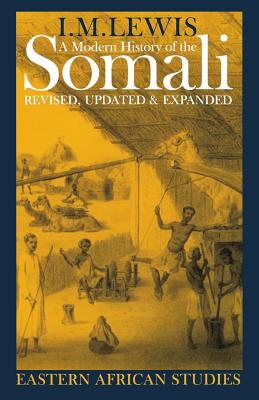
A Modern History of the Somali
KSh 5,300.00
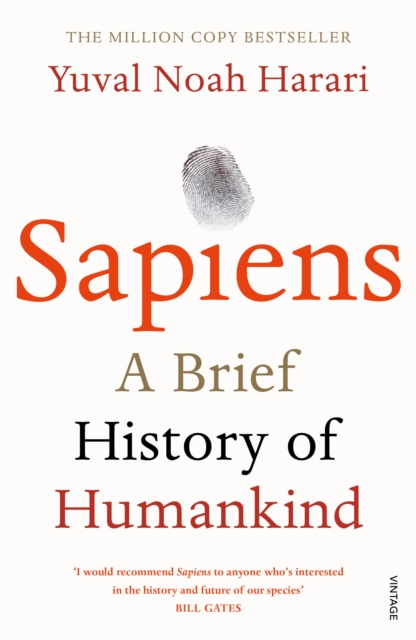
Sapiens
KSh 2,350.00

Rise Fall Great Powers
KSh 3,050.00
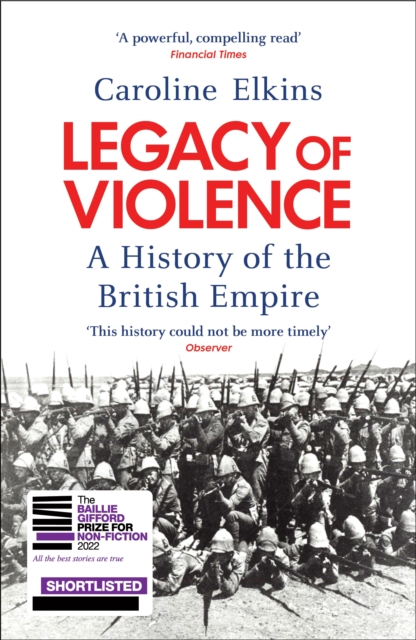
Legacy of Violence
KSh 3,150.00
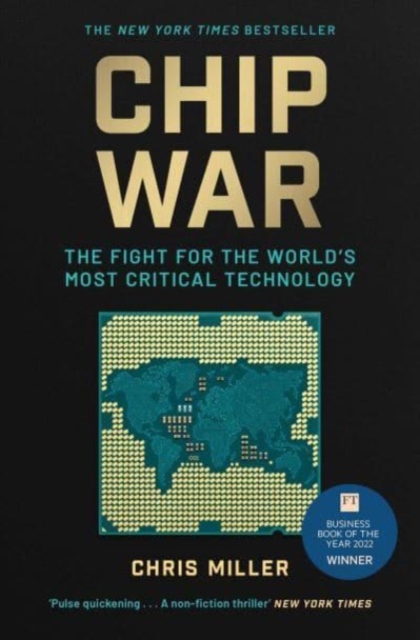
Chip War
KSh 2,000.00
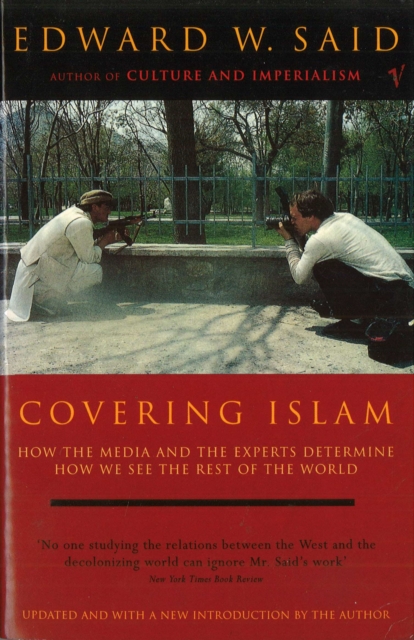
Covering Islam
KSh 2,350.00
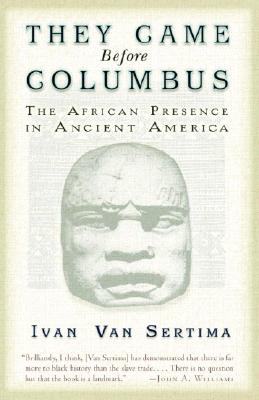
They Came Before Columbus
KSh 3,400.00

Hiroshima
KSh 2,000.00
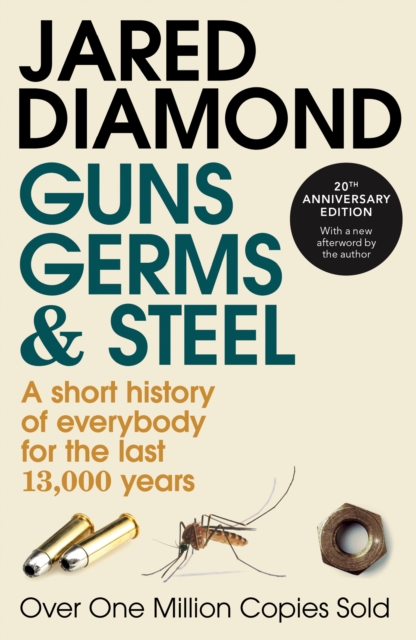
Guns, Germs and Steel
KSh 2,400.00

Silk Roads
KSh 3,050.00

Empire
KSh 2,700.00
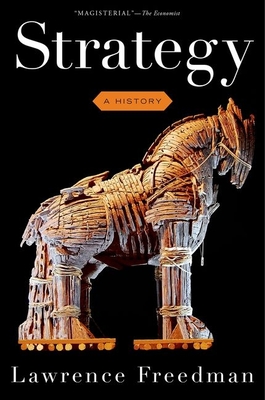
Strategy
KSh 4,350.00