
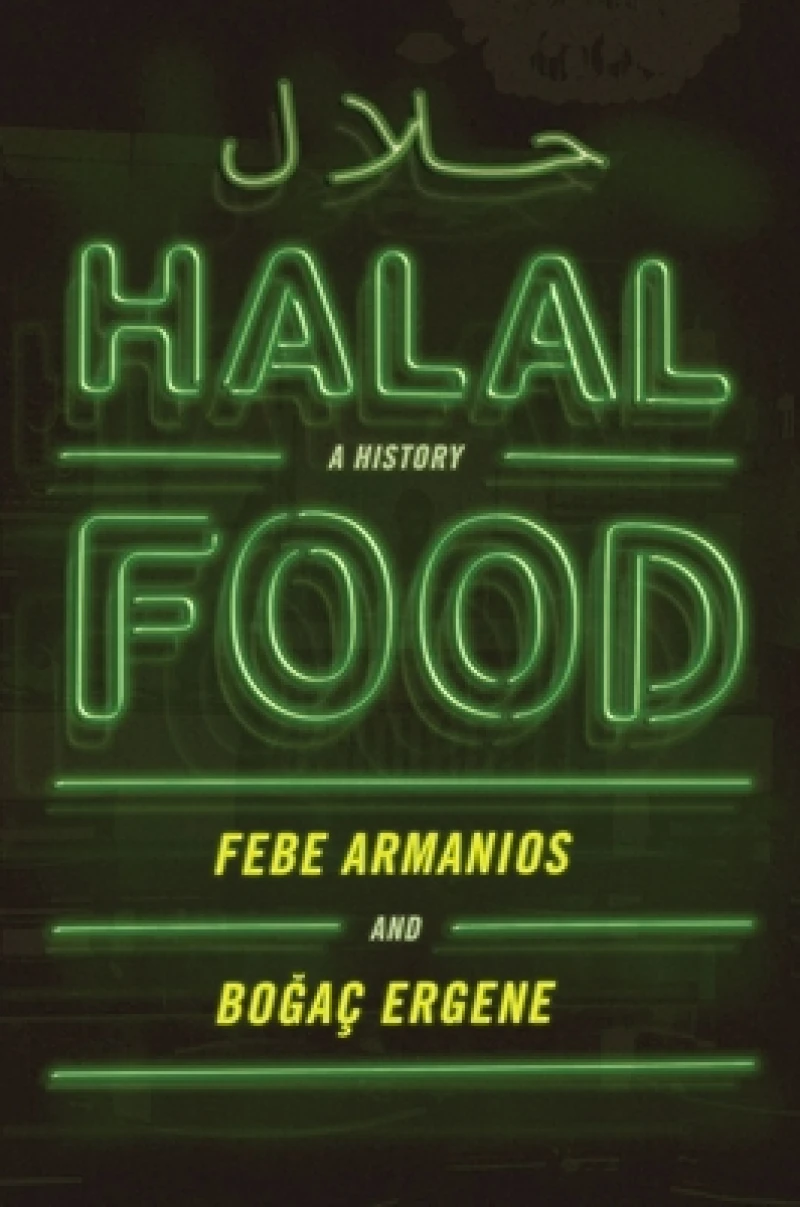
Halal Food : A History
Book Details
Format
Paperback / Softback
ISBN-10
0190088400
ISBN-13
9780190088408
Publisher
Oxford University Press Inc
Imprint
Oxford University Press Inc
Country of Manufacture
US
Country of Publication
GB
Publication Date
Jun 22nd, 2020
Print length
400 Pages
Weight
588 grams
Dimensions
15.60 x 23.40 x 2.60 cms
Product Classification:
Islamic & Arabic philosophyIslamCultural studiesConsumerismEthical issues, topics and debatesEthnic studies / EthnicitySocial groups: religious groups and communitiesSocial groups: alternative lifestyles / subculturesCultural studiesConsumerismEthical issues & debatesEthnic studiesIslamic studiesAlternative lifestylesIslamic lawSystems of law: Islamic lawIslamic and Arab philosophyIslam
Ksh 5,550.00
Manufactured on Demand
0 in stock
Delivery Location
Delivery fee: Select location
Secure
Quality
Fast
An overview of the historical and legal roots of halal (permissible) and haram (impermissible) foods in the Islamic tradition and how these are viewed in societies today.
Food trucks announcing "halal" proliferate in many urban areas but how many non-Muslims know what this means, other than cheap lunch? Here Middle Eastern historians Febe Armanios and Bogac Ergene provide an accessible introduction to halal (permissible) food in the Islamic tradition, exploring what halal food means to Muslims and how its legal and cultural interpretations have changed in different geographies up to the present day.Historically, Muslims used food to define their identities in relation to co-believers and non-Muslims. Food taboos are rooted in the Quran and prophetic customs, as well as writings from various periods and geographical settings. As in Judaism and among certain Christian sects, Islamic food traditions make distinctions between clean and impure, and dietary choices and food preparation reflect how believers think about broader issues. Traditionally, most halal interpretations focused on animal slaughter and the consumption of intoxicants. Muslims today, however, must also contend with an array of manufactured food products--yogurts, chocolates, cheeses, candies, and sodas--filled with unknown additives and fillers. To help consumers navigate the new halal marketplace, certifying agencies, government and non-government bodies, and global businesses vie to meet increased demands for food piety. At the same time, blogs, cookbooks, restaurants, and social media apps have proliferated, while animal rights and eco-conscious activists seek to recover halal''s more wholesome and ethical inclinations. Covering practices from the Middle East and North Africa to South Asia, Europe, and North America, this timely book is for anyone curious about the history of halal food and its place in the modern world.
Get Halal Food by at the best price and quality guaranteed only at Werezi Africa's largest book ecommerce store. The book was published by Oxford University Press Inc and it has pages.

