
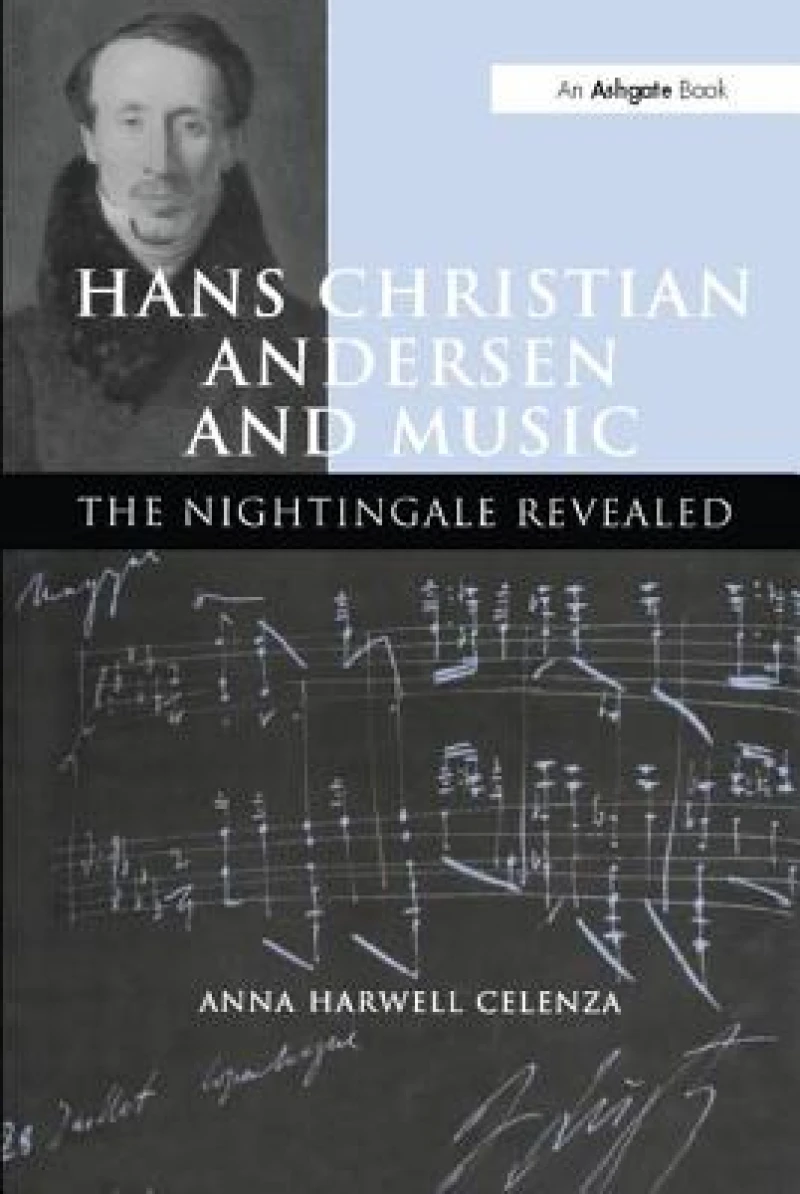
Hans Christian Andersen and Music : The Nightingale Revealed
Book Details
Format
Paperback / Softback
ISBN-10
1138274259
ISBN-13
9781138274259
Publisher
Taylor & Francis Ltd
Imprint
Routledge
Country of Manufacture
GB
Country of Publication
GB
Publication Date
May 16th, 2017
Print length
282 Pages
Weight
453 grams
Product Classification:
MusicRomantic music (c 1830 to c 1900)
Ksh 9,000.00
Werezi Extended Catalogue
0 in stock
Delivery Location
Delivery fee: Select location
Secure
Quality
Fast
With the bicentennial of Hans Christian Andersen''s birth in 2005, there is still much about the writer that is not yet common knowledge. This book explores a single aspect of that void - his interest in and relationship to the musical culture of nineteenth-century Europe. Why look to Andersen as a barometer of musical taste? He enjoyed a brief career as an opera singer and dancer at the Royal Theater in Copenhagen and in later years went on to produce opera libretti for the Danish and German stage. Andersen also made thirty European tours during his seventy years, and on each of these trips he regularly attended opera and concert performances, recording his impressions in a series of travel diaries. In short, Andersen was a well-informed listener and, as this book reveals, his reflections on the music of his age serve as valuable sources for the study of music reception in the nineteenth century.
Hans Christian Andersen was the most prominent Danish author of the nineteenth century. Now known primarily for his fairy tales, during his lifetime he was equally famous for his novels, travelogues, poetry, and stage works, and it was through these genres that he most often reflected on the world around him. With the bicentennial of Andersen''s birth in 2005, there is still much about the writer that is not yet common knowledge. This book explores a single aspect of that void - his interest in and relationship to the musical culture of nineteenth-century Europe. Why look to Andersen for information about music? To begin, Andersen had a musical background. He enjoyed a brief career as an opera singer and dancer at the Royal Theater in Copenhagen, and in later years he went on to produce opera libretti for the Danish and German stage. Andersen was also an avid music devotee. He made thirty major European tours during his seventy years, and on each of these trips he regularly attended opera and concert performances, recording his impressions in a series of travel diaries. In short, Andersen was a well-informed listener, and as this book reveals, his reflections on the music of his age serve as valuable sources for the study of music reception in the nineteenth century. Over the course of his life, Andersen embraced and then later rejected performers such as Maria Malibran, Franz Liszt, and Ole Bull, and his interest in opera and instrumental music underwent a series of dramatic transformations. In his final years, Andersen promoted figures as disparate as Wagner and Mendelssohn, while strongly objecting to Brahms. Although such changes in taste might be interpreted as indiscriminate by modern-day readers, this study shows that such shifts in opinion were not contradictory, but rather quite logical given the social and cultural climate of the age.
Get Hans Christian Andersen and Music by at the best price and quality guaranteed only at Werezi Africa's largest book ecommerce store. The book was published by Taylor & Francis Ltd and it has pages.

