
Book Details
Format
Hardback or Cased Book
Book Series
Postcolonial Studies
ISBN-10
1433107120
ISBN-13
9781433107122
Edition
New
Publisher
Peter Lang Publishing Inc
Imprint
Peter Lang Publishing Inc
Country of Manufacture
US
Country of Publication
GB
Publication Date
Jul 15th, 2009
Print length
119 Pages
Weight
364 grams
Dimensions
15.70 x 23.20 x 1.40 cms
Ksh 11,600.00
Manufactured on Demand
0 in stock
Delivery Location
Delivery fee: Select location
Secure
Quality
Fast
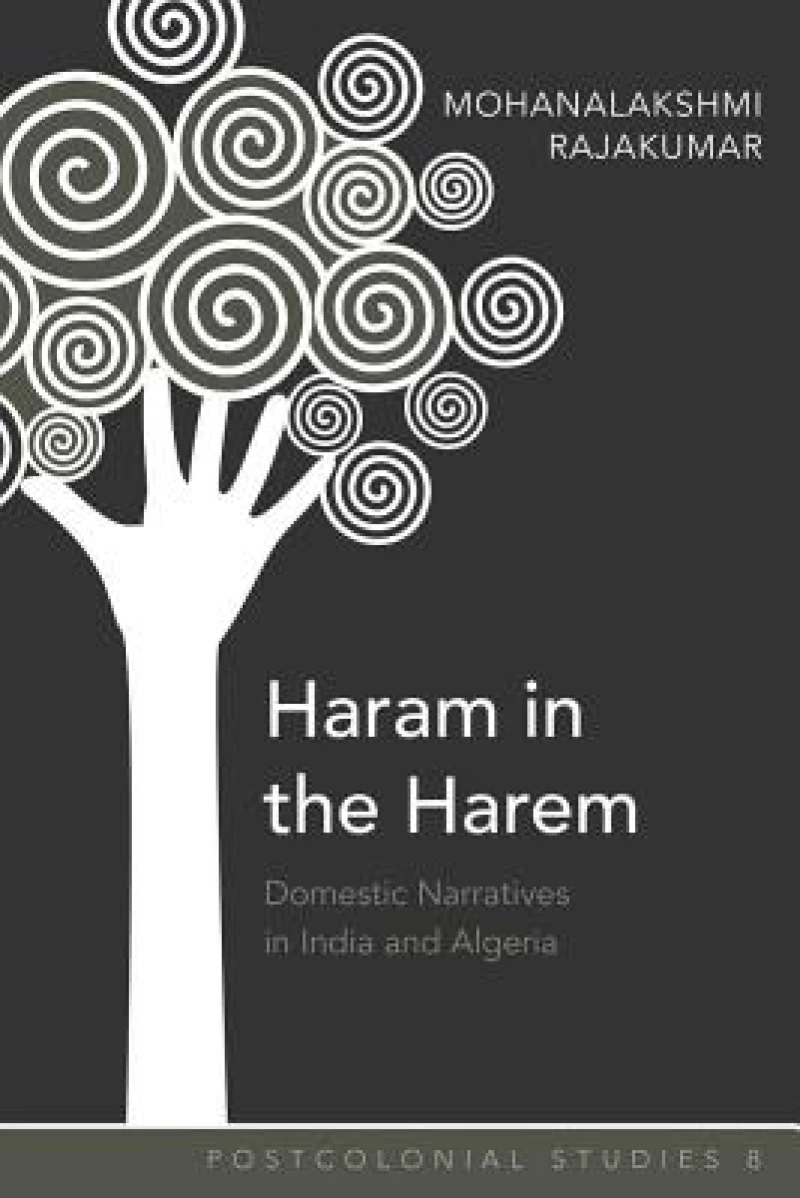
Haram in the Harem focuses on the differences in nationalist discourse regarding women and the way female writers conceptualized the experience of women in three contexts: the middle-class Muslim reform movement, the Algerian Revolution, and the Partition of India. During each of these periods the subject of women, their behavior, bodies, and dress were discussed by male scholars, politicians, and revolutionaries. The resonating theme amongst these disparate events is that women were believed to be best protected when they were ensconced within their homes and governed by their families, particularly male authority, whether they were fathers, brothers, or husbands. The threat to national identity was often linked to the preservation of womanly purity. Yet for the writers of this study, Ismat Chughtai (1915-1991), Assia Djebar (1936-), and Khadija Mastur (1927-1982), the danger to women was not in the public sphere but embedded within a domestic hierarchy enforced by male privilege. In their fictional texts, each writer shows how women resist, subvert, and challenge the normative behaviors prescribed in masculine discourse. In their writings they highlight the different ways women negotiated private spaces between intersecting masculine hegemonies of power including colonialism and native patriarchy. They demonstrate distinct literary viewpoints of nation, home, and women’s experiences at particular historical moments. The choice of these various texts reveals how fiction provided a safe space for female writers to contest traditional systems of power. Bringing into focus the voices and experiences of women – who existed as limited cultural icons in the nationalist discourse – is a common theme throughout the selected stories. This book showcases the fluidity of literature as a response to the intersections of gender, race, and nation.
Get Haram in the Harem by at the best price and quality guaranteed only at Werezi Africa's largest book ecommerce store. The book was published by Peter Lang Publishing Inc and it has pages.

