
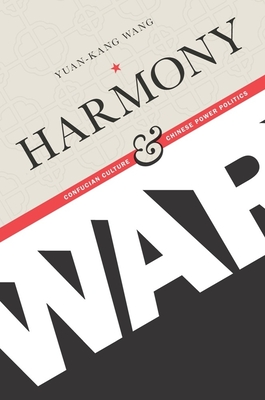
Harmony and War : Confucian Culture and Chinese Power Politics
Book Details
Format
Hardback
Book Series
Contemporary Asia in the World
ISBN-10
0231151403
ISBN-13
9780231151405
Publisher
Columbia University Press
Imprint
Columbia University Press
Country of Manufacture
US
Country of Publication
GB
Publication Date
Dec 15th, 2010
Print length
328 Pages
Weight
670 grams
Dimensions
22.90 x 16.00 x 2.70 cms
Product Classification:
Asian history
KSh 11,150.00
Currently unavailable
0 in stock
Delivery Location
Delivery fee: Select location
Secure
Quality
Fast
Confucianism has shaped a certain perception of Chinese security strategy, symbolized by the defensive, nonaggressive Great Wall. Many believe China is antimilitary and reluctant to use force against its enemies. It practices pacifism and refrains from expanding its boundaries, even when nationally strong. In a path-breaking study traversing six centuries of Chinese history, Yuan-kang Wang resoundingly discredits this notion, recasting China as a practitioner of realpolitik and a ruthless purveyor of expansive grand strategies. Leaders of the Song Dynasty (960-1279) and Ming Dynasty (1368-1644) prized military force and shrewdly assessed the capabilities of China's adversaries. They adopted defensive strategies when their country was weak and pursued expansive goals, such as territorial acquisition, enemy destruction, and total military victory, when their country was strong. Despite the dominance of an antimilitarist Confucian culture, warfare was not uncommon in the bulk of Chinese history. Grounding his research in primary Chinese sources, Wang outlines a politics of power that are crucial to understanding China's strategies today, especially its policy of "peaceful development," which, he argues, the nation has adopted mainly because of its military, economic, and technological weakness in relation to the United States.
Get Harmony and War by Yuan-kang Wang at the best price and quality guaranteed only at Werezi Africa's largest book ecommerce store. The book was published by Columbia University Press and it has 328 pages.
Customers Who Bought This Also Bought

From Third World to First
KSh 3,200.00

Breakneck
KSh 4,500.00

India After Gandhi
KSh 4,850.00

Anarchy
KSh 2,700.00

On China
KSh 3,400.00
Apostles of Development
KSh 5,600.00
Shattered Lands
KSh 2,000.00
Indira Gandhi and the Years that Transformed India
KSh 5,050.00
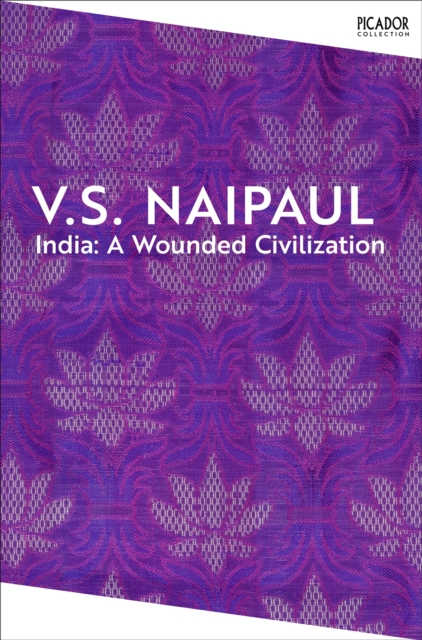
India: A Wounded Civilization
KSh 2,000.00
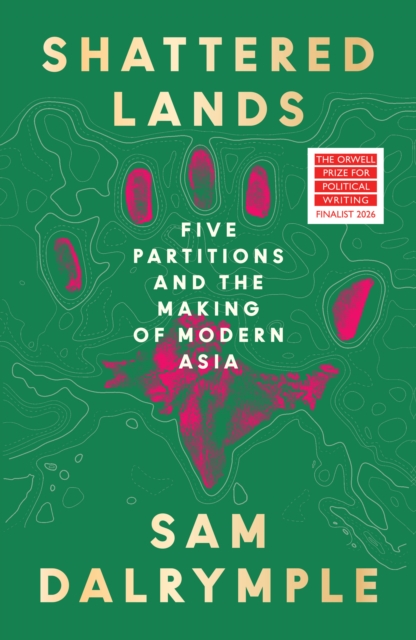
Shattered Lands
KSh 3,200.00
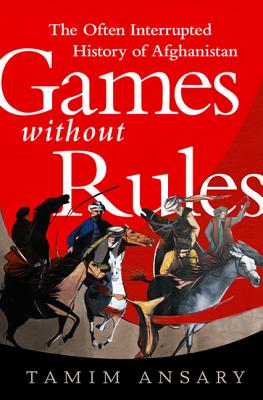
Games without Rules
KSh 2,900.00

Ghost Nation
KSh 3,950.00
