

Hellenistic Engraved Gems
Book Details
Format
Hardback
Book Series
Oxford Monographs on Classical Archaeology
ISBN-10
0198150377
ISBN-13
9780198150374
Publisher
Oxford University Press
Imprint
Clarendon Press
Country of Manufacture
GB
Country of Publication
GB
Publication Date
Jul 8th, 1999
Print length
260 Pages
Weight
864 grams
Dimensions
28.10 x 21.30 x 2.10 cms
Product Classification:
Ancient GreeceClassical styleHistory of art: ancient & classical art,BCE to c 500 CECarvings, masks, reliefsCarvings: artworksHistory of artEuropean historyAncient history: to c 500 CEClassical Greek & Roman archaeologyAncient historyEuropean historyArchaeology by period / region
KSh 65,400.00
Currently unavailable
0 in stock
Delivery Location
Delivery fee: Select location
Secure
Quality
Fast
This volume follows the development of Greek gem engraving from Alexander to Augustus. Hellenistic gems are studied in their archaeological context with an assessment of the evidence of their use, significance, and value. The book focuses on subject-matter, technique, and style, as well as problems of chronology and distribution.
Engraved gems were used by the Greeks as seals and amulets, but were primarily valued as ornaments. Their iconography was drawn from a wide range of motifs and standard devices current in other art forms. In the Hellenistic period gem cutters remained faithful to the classical tradition, but were able to develop new subjects and styles. Portraits, especially of royalty, became the commonest subject in glyptic after Alexander, a practice that continued through the Roman period and was still popular with patrons and artists of the Renaissance and even later. This volume follows the development of gem engraving from Alexander''s conquest of the East to the Augustan period. Hellenistic gems are studied in their archaeological and historical context: evidence on their use, significance, and value; questions of technique and style; and problems of chronology and distribution. Special sections have been devoted to patronage of gem-engravers and the relationship of gem-cutting with other miniaturist arts and coinage.
Get Hellenistic Engraved Gems by Dimitris Plantzos at the best price and quality guaranteed only at Werezi Africa's largest book ecommerce store. The book was published by Oxford University Press and it has 260 pages.
Customers Who Bought This Also Bought

Silent Patient
KSh 2,000.00
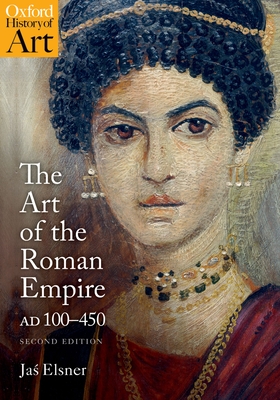
The Art of the Roman Empire
KSh 4,500.00
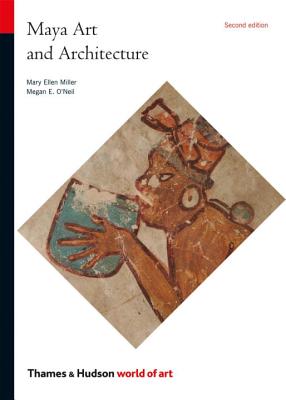
Maya Art and Architecture
KSh 2,450.00
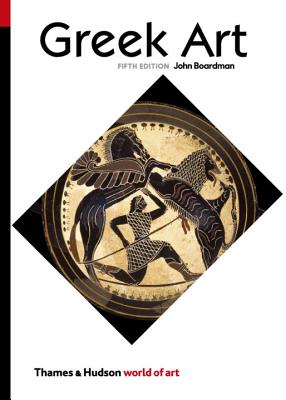
Greek Art
KSh 2,600.00

Fragmenta
KSh 22,950.00
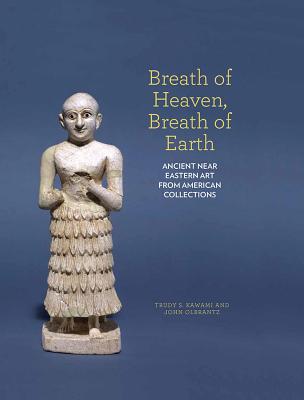
Breath of Heaven, Breath of Earth – Ancient Near Eastern Art from American Collections
KSh 8,650.00
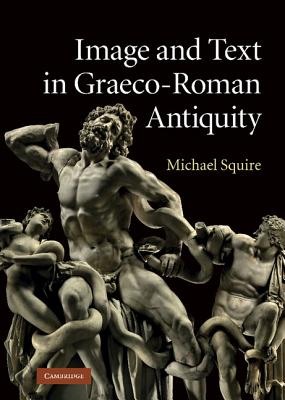
Image and Text in Graeco-Roman Antiquity
KSh 24,650.00
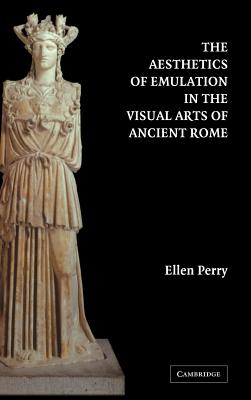
The Aesthetics of Emulation in the Visual Arts of Ancient Rome
KSh 17,100.00

Music and Philosophy in the Roman Empire
KSh 24,650.00

Forgery Beyond Deceit
KSh 21,850.00
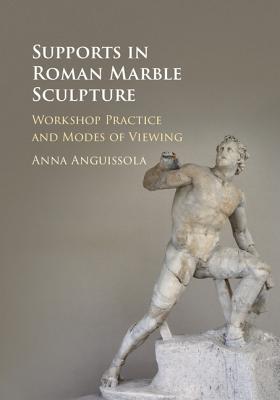
Supports in Roman Marble Sculpture
KSh 17,800.00

Hermogenes and Hellenistic-Roman Temple Building
KSh 18,700.00
More by Dimitris Plantzos

Greek Art and Archaeology c. 1200-30 BC (Greek language edition)
KSh 8,100.00

Greek Art and Archaeology c. 1200-30 BC
KSh 9,850.00

The Story of Lemnos
KSh 4,800.00

The Story of Lemnos (Greek lang.)
KSh 4,800.00

The Art of Painting in Ancient Greece (English language edition)
KSh 10,750.00

The Art of Painting in Ancient Greece (Greek language edition)
KSh 11,700.00
